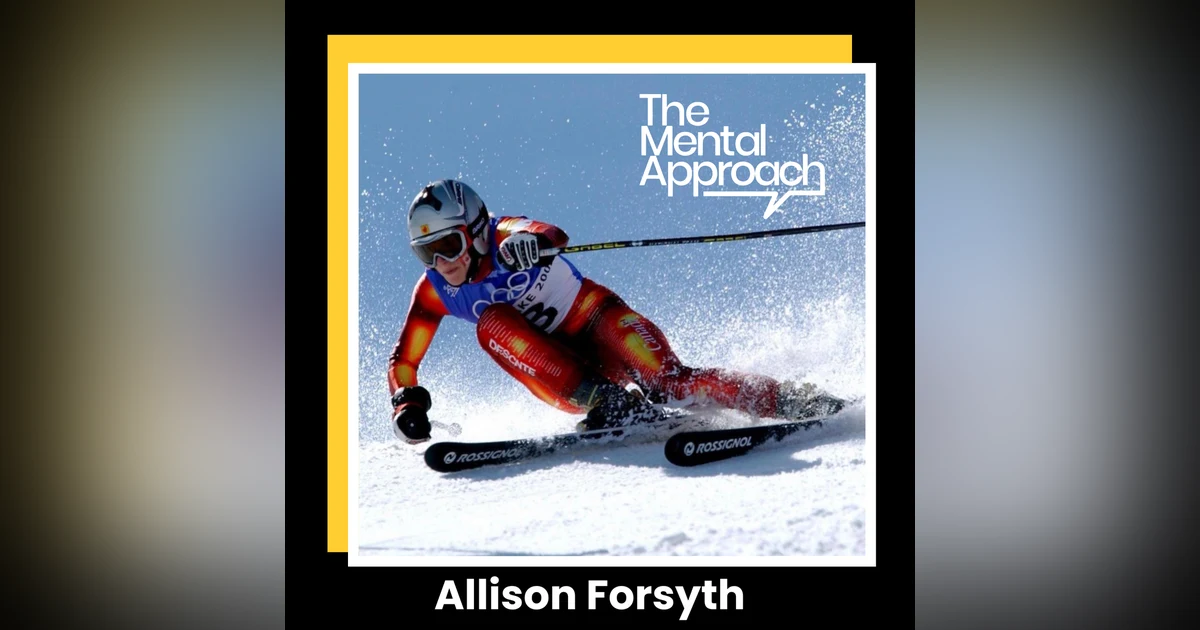
The Truth About Team Culture - Safe Sport Advocate Allison Forsyth provides examples on how to improve


 RSS Feed
 What happens when good intentions collide with outdated systems?
In this episode, Todd sits down with Allison for an unfiltered conversation about what’s really happening inside youth sport—especially hockey—and why “safe sport” policies aren’t translating into safer experiences for kids.
They dig into the gap between policy and practice: why 60-page rulebooks and online modules don’t change behavior, how coaches are being asked to navigate issues they were never trained for, and why meeting people where they’re at matters more than slamming down new rules. From dressing room policies that don’t work in real facilities, to hazing framed as “tradition,” to the escalating abuse of referees, this episode exposes the cultural blind spots no one wants to talk about.
The conversation goes deeper into the pressure cooker of modern youth sport—early specialization, financial investment, outcome obsession, and entitlement—and how these forces shape both harm and silence. Allison explains the “pyramid of harm,” showing how unchecked attitudes and behaviours can escalate over time, and why punishment alone doesn’t lead to real change.
This is also a deeply human episode. Allison speaks candidly about trauma, survival, and why the damage done in sport often doesn’t surface until decades later. Together, Todd and Allison ask the hard questions parents, coaches, and organizations need to face—before another kid gets hurt.
If you care about youth sport, coaching, parenting, or changing toxic culture from the inside, this is a conversation you don’t want to miss.
See Privacy Policy at https://art19.com/privacy and California Privacy Notice at https://art19.com/privacy#do-not-sell-my-info.
Matt Cundill 00:00
This episode discusses sexual assault, hazing, emotional and physical maltreatment, trauma, mental health struggles, and uses strong language. If this may be upsetting, consider pausing or listening with support. If you need help, contact a trusted person, local crisis line or emergency services. This is the mental approach where we discuss mindfulness, mental performance and the tools available for coping in a high performance world. Here's Todd Arkell.
Todd Arkell 00:30
Today's episode is an emotionally charged one. I talk with Alison Forsythe, former Canadian Olympian Alpine downhill skier, and it might be triggering to some, as she suffered sexual abuse by one of her coaches, an absolutely heinous act, and we found out later, as things unraveled, that he also did this with many other members of the ski team. So there is quite a bit of ground to cover around that and Allison's subsequent working within the safe sport industry and being a champion for safe sport and what that looks like for athletes. We also cover a bunch of ground on the Hockey Canada World Junior sexual assault case, which was made a lot of noise because all those players are now, or were NHL players when the story broke. So a lot of depth into what's going wrong with sport, but also what we can do to make it a more safe space for our athletes going forward. I hope you enjoy the episode. We're just not training people, you know, I think about in Canada, and I had this conversation with somebody the other day, and we're talking about, oh, we do NCCP, and so we train these coaches, you know, personally, I think it's a bit of a cash grab. You're basically training them to run a practice or teach a skill or whatever, but there's nothing in there on how to deal with the interpersonal relationships. As a coach, we just trust the fact that you know you know how to deal with people, and that isn't always the case and being equipped to have these conversations. So is there something that maybe your organization? Are you guys trying to maybe change that a little bit?
Speaker 1 02:22
Yeah. So a couple things. One is my feedback, and I give it directly to Hockey Canada, and there are good folks working with it within Hockey Canada. In this space is that you need to meet people where they're at. You need to know your audience, and you have to enroll them and bring them along for the ride. So this is a feedback I provided directly after Hockey Canada came out with their inclusivity policy, which was largely not accepted or sort of bought into. At most organizations, I didn't buy into it, and I think that really shocked them, because I'm obviously a huge advocate for safe sport and anything that keeps athletes safe, but you got to know your audience, and you have to make things realistic for them. And to your point, Todd, to ask coaches who have zero training or expertise in what I remember, what you're speaking about, which was non binary, binary, different gender identifications. You it is not appropriate to ask people to then turn around and be expert educators as far as how I and it is me. I am the founder of my very small company. As far as how I educate, it's much like this. I meet coaches where they're at I explain the two biggest challenges, which is, if you continue to coach the way you were coached, without recognizing what we know now to be maltreatment, which is not arguable. This is like science meets psychology meets harm, meets trauma. It's not debatable whether bag skating an athlete for 30 minutes until someone throws up on the ice could be harmful for them. That is just it is. So if you don't take that on and seek that development, which, to be frank, Todd, there is not a lot out there. I will just say it besides me, yeah. And then on top of that, you're dealing with a different generation of athlete. And you know this, I'm raising two high level generation Alpha kids, and they respond very differently to coaching. 95% of them. Watch out. I'm going to soapbox here. Think about this, 95% of any athlete who is under the age of 16 right now will respond better to positive reinforcement coaching, meaning they'll play better. They'll be more coachable. They'll make changes faster. But sport is still if we're those, I'll say it about myself, 47 years old, those old school athletes who are coached a certain way, and we just think, well, this is how it is. That's where I see coaches get in trouble and with no judgment but a little opinion. A lot of these training modules that come out, I hear directly from coaches that they are patronizing, part of my language here, but they're animated characters that are like Condes. Sending at the end of the day. We have 1000s of incredible coaches in multiple sports in this country who deserve to be met where they're at and have like, all of this enrolled with them, not like, well, now you have to do this, and now you can't do that. Like, find me a person that just likes to be have rules slammed down on them.
Todd Arkell 05:22
Look it. I think in a lot of cases there is, there's good intent, but then the actual practical application of how we're implementing this is not well thought out, like I sometimes, like there was another one that came out, and I know that you're involved with hockey. So we'll stick with hockey for a minute that came out last year, which was that all players, regardless of age, had to show up to the dressing rooms wearing their undergarments and were not allowed to change in the dressing room. And I can tell you. And again, old guy brain I go, have you ever smelled any of that stuff on a teenage kid like they're gonna, you want them to walk into the arena in their absolutely horrifically smelling undergarments and and that's what they're gonna do. Now, I understand the I understood the nature of the piece, right? So, you know, at the end of the day, you know, we talked to our kids, said, Hey, this is the rule. This is, you know, if there's anybody that you know feels uncomfortable, you know, whatever you know, please come talk to us, one of us, or whatever it is. But I pretty much sure none of them showed up, really, in their undergarments, and they changed the way, you know what I mean, like, so they're the kids. Didn't even want to follow suit with that, because they're all like, this is ridiculous. Why would we want to do this? And, you know what? And I'm not saying that they were right. I'm just saying, like, how do you get that? I guess the point is, how do you get that into practice, right? Because there are people going, well, the way I've always done it is and why would I change? And so having them have that aha moment, I guess, to understand why that's that's sort of being brought forward.
Speaker 1 07:07
Yeah. So on that exact point, I was a trainer and a manager of a team at that exact time, and when that came out, I was vocal in the media, which I think was disappointing Hockey Canada, but my I will still stand behind my feedback, which is, what outcome are you looking to achieve, and how is the best way to get there based on the current circumstances? So that's a way of saying, I am not going to put any 12 year old hockey player in a urine filled bathroom stall to change. It's not sanitary, nor you know what I mean like. So you know what going with this is. The bottom line is you need to understand what we're dealing with with these old facilities. How do we create inclusion, if that is the goal, but being realistic about what is and what is not possible, because if coaches as an example, who are, in my opinion, people have their own beliefs, right? You are a coach with your own set of beliefs, and someone comes in and says, Now you must do these 10 things. You're going to get very defensive, just like I always say, you know, if we think we're going to shift and prevent maltreatment, through a 60 page policy no one's going to read and a 45 minute online training module that no one's going to pay attention to, we need to give our heads a shake. So what I specialize in is like, let's make it real for people. And the last point I'll share is in that same policy is the I just will say it this way, and I don't want it to sound horrible, but it is. The fact is that you need to have two guards guarding the dressing room at all times, like screened guards and I have seen coaches who have been sanctioned for issues happening in their dressing room because they did not have that now, how many local organizations or coaches even know what the rules are around the dressing room door being propped Open and two guards screened adults. I am at rings every day. You know that two players never seen it. I've never seen it either. But the biggest issue for me is, how are we not focusing on educating our athletes as to the behaviors they should not be displaying in the dressing rooms? I'm just very tired of these Band Aid solutions when the answer is actually working directly with the kids and providing the education like we do.
Todd Arkell 09:31
Yeah, and I think the younger you get to them, and they grow up in that environment, and they understand why it's important, both for themselves, for their peers and everybody like, it's, it's for everybody else, then that's how you change. You have to change it kind of generally generationally, because, again, old people are stuck in their ways. And why would you do that? And I don't, you know, and like, I'm an open minded person, so I'm like, okay, like, but I go to this. Rink. And to your point about application, I go to this rink and there's only four dressing rooms, and if somebody on my team wants their own dressing room, how do they get their own dressing room? Because there's two. Like, where are they going to go? Are you making them go to a bathroom? Is there a is there a janitor closet? Like, how is that happening? Because I even think back, and I think I've said this before in the show, talking about, I remember playing lacrosse, and we had a girl on our team. We were 13, and she had to go change in the women's washroom in the arena. Yeah, yeah, and then come in after we were all, like, in, you know, I don't even know if we were, you know, I can't remember that far back if we were all, like, fully dressed or not, before she came into the before she came into the room. But it's like, I remember thinking, like, How is that fair? Like, how is she having to go into, like, a bathroom and change even it's just not, you're right, the buildings, like, there's lots of new buildings being built, and, you know, there's probably better, better facilities that way. But some of these old places, Herb, Carnegie, you know, like, you could name all these old rinks in the Toronto area. There's not a chance you can do a lot of this stuff,
Speaker 1 11:00
but even these facilities are presenting their own challenges, because I work directly with municipalities in environmental assessments of facilities. So now we have way for it, which is not every hockey player's best light, but you'll start to see dress urines with Windows. Matt throws everyone for a loop, because it's like, well, how do we do this? And it's like, well, there's universal bathroom stalls directly across but technically, a coach who is speaking to their athletes in a dressing room would be seen by a member of the public. So from a stage four perspective, I've had coaches say, well, I need the privacy. And I'm like, Well, if you're yelling at the kids, you're not supposed to be anyway. You know what I mean? Like, there's a lot of justification for why the dressing room should be the way it is. But I agree with you in that. Again, I'll just stress like you need to meet people where you're they're at and make it applicable to them and enroll them in the why. Before you just slam rules down.
Todd Arkell 11:57
What do you find are some obstacles you're encountering in trying to kind of push for some of these reforms, like, what are some of the obstacles that seem to be in the way,
Speaker 1 12:06
beliefs, justifications, defensiveness. And here's the reality is that if, as human beings, we have been harmed, or we have done harmed, we will likely repeat it. So I'm going to tell you about hazing. So I work on a huge amount of hazing, very serious hazing cases in hockey and other sports, and 45% of parents and coaches in Ontario think hazing is a good thing. It's rite of passage, it's tradition. But the reality is that this is cycles of abuse, that when we are of a certain age, or again, we grew up in sport when it was a certain way. We think a lot of coaches will think, Well, kids are soft these days because they don't understand how generation alpha's brains work. My job is to toughen them up, and the kids can hold each other accountable through hazing or kangaroo courts, like all of these things are grounded in reflecting upon ourselves and asking ourselves what happened to me when I was playing or skiing, and what am i Repeating and not respecting? Might not be the way to move forward. That's the biggest issue I see. Is a lot of defensiveness by if I just say, within our sport of hockey, with coaches and administrators that are like, well, Allison, that's just hockey. Does that make sense? And I get it, because I love hockey. You know that Todd like, I love this sport, but the resistance to change it makes it from the parent side, yelling at the refs, like, that's our right to yell at the refs. Everything within the culture that needs to shift is going to take a long time based on people's defensiveness and unwillingness to change, but again, I think that's just because they lack the true understanding of what we're talking about or dealing with now, the last thing I'll say is parents and organizations change real quick once a child has been harmed. So this is the problem is, if a huge hazing case rolls through, guess what hazing education is going to come in right behind it. But why are we waiting until people are hurt before we accept that change is needed?
Todd Arkell 14:13
Yeah, no. And there's a recent one that comes to mind, Stoney Creek, where it was totally buried, like totally buried. When the parents brought it forward, and it just didn't, you know, finally, it obviously comes out. But they were, they were kind of not wanting to have it come out,
Speaker 1 14:32
yeah, so because that, that specific case was public, so Rick Weston and I looked at that together, as we do a lot of things, because I have expertise that he doesn't and he has expertise I don't that was what we considered a case that was worth a story because of what you are sharing right now. I think the coach's defensiveness and lack of even going through with the process of the investigation is common, and that right away should have told the arbitrator that this person is. Not going to willing to shift their behavior. And then the reality is that, again, you know me, I'm going to go macro here, but the big thing when it comes to athlete to athlete maltreatment, I think we need to ask ourselves is, does behavior shift if you suspend players and take away their sport? So I would love anyone listening just to think about that, because taking away, in some cases, the only thing that an athlete has that they look forward to saying, Well, you made a huge mistake, and the only way to punish you is to not let you play. There's many other restorative processes, including education and volunteerism that athletes could be doing, but we still live in this like police and punishment model, thinking that that coach getting suspended is going to shift who he is. It's very unlikely.
Todd Arkell 15:48
I don't disagree with that. And, you know, I get into, you know, I've had, I know a few people in in higher levels of hockey, and I get into some rows about, Oh, I hate when people use the word hockey culture, and I'm like, I go. But the problem is, and this is the way I see it, and we can talk about the Hockey Canada thing a little bit, is that at a very young age, and this is, this goes for all sports, and this is something I've seen, and we also, by the way, we're billets of OHL hockey players. So Part, Part of why this is a thing this podcast is I watch these players go on this roller coaster ride of the coach hates me. The coach loves me. I suck. Oh, I'm amazing. And I was like, Don't they have any like resources for you guys to like, any tools to help yourself with this mindset thing, you were all the big fish in your small town, and now you've all come to this other town, and you're in this much smaller pond, and you're all, as you say, alpha, you know, I want to be, and you were like the starting center, and now you're the fourth line center, and you're getting eight minutes a game, not 22 minutes a game. And how are you dealing with that? And how are you going to accept your new role, and all these different things, right? And then you have all the other stuff that goes into it. But I'm making a point here in a second, stay with me, folks, is that all the way growing up, you've been told you're exceptional because you play hockey or you play baseball, you're really good at this, and it's almost like you get a pass on shitty behavior. Or maybe parents, you know, they look at Johnny or Sally and say, Oh, they're really good at this sport, and I'm not going to punish them for this or whatever it is. Like it just gets swept under the carpet because they're good at something athletically, and then I feel like it manifests into other things, this sense of entitlement that I can take advantage of a young woman. I can, you know, all these different things, like, when I look at this, and I'm gonna this is, this could be a really interesting debate, because I'm gonna tell you my opinion on the whole Hockey Canada thing. When I look at, okay, it starts with her going back to a hotel room with with a young man. Okay, let's just say maybe that was consensual. It seems like it was by everything that I read. But what happened next was, you know, and I tried to use this an example to my to my own kids, too. I go for my daughters. Don't put yourself in that kind of position. You don't even know this person. You're going back to a hotel room with them. Like you got to try to help not do that, right? Like you're not keeping yourself in the best light. But the challenge is, is what Mike McLeod did after that, can't say alleged, because it's all been out there, you start texting people and inviting them, like, I go number one, I said to my Son, why would you want to go participate in something like that? Number one, where's your self respect? Where's, you know, all those different things. So it's like you could almost say, Okay, the first, you know, they went, they had a conceptual act. But then after that, every single one of them, I don't care what they say, they all behaved and like, regardless of whether they're saying, Oh, they were not found criminally but morally, everything they did was bankrupt 100% right? Like, you know, like, yes, okay, the courts, because the courts, you have to prove this, and you have to prove that, and they couldn't prove the intent, but they're like, honestly, there's something fundamentally wrong with every one of those individuals at their core? Yeah.
Speaker 1 19:23
So, I mean, I've been through eight and a half years of criminal and civil right. So I'm going to speak from the perspective of, I'm not going to go into the reasons why I feel like they, you know, were acquitted of the crime, but I will share that it is extremely common for the level of evidence and the burden of proof to not be met in criminal cases involving sexual assault. The big thing here, Todd, is that it is when I was contacted by the media, when that case broke, and the reporter said, Allison, how could these guys do this? I what came out of my mouth, you know me by now, was just like, well, we put them there. Because what I know is the pyramid of harm, which starts with attitudes and beliefs. Beliefs, which is when an eight year old is not benched because he's the best player on the team for bad behavior, and he's played because, even though he's the kid messing around with the mini sticks and throwing things in the restaurant, harm progresses when children at a young age believe that they're superior to others and the rules don't apply to them. This is like a model. This is statistical. It goes from there to microaggressions, where we have our chirping, where we have our making fun, our wheeling clapping bombs and wheeling moms hoodies that people are buying. Then it goes to verbal expressions of harm than sexual expressions of harm. So I never let anyone off the hook for what they've done, but I'll be honest like if anyone out there truly believes that there is not a issue in the hockey culture with lack of respect for women, misogyny and sexual promiscuity, then they're wrong and that someone can come after me for that. But just I would challenge you to I would also challenge everyone I just spoke at a conference of sexual abuse litigators, both defense and prosecutors, and I said to them, and I'll say to anyone here, go into chat. GBT, your newest best friend, and just type in what are the two most common responses to rape. And you're going to get freeze and fawn. You're not going to get fight or flight. So I'll leave you to that. But as someone who is a survivor myself. I know that firsthand. So there's just a lot of, I'm sorry, but, like, uneducated ignorance about how women would respond in those type of situations compared to what is actually factual.
Todd Arkell 21:33
Yeah, I don't disagree with that. I mean, I had this conversation with a lot of friends. They're like, Yeah, but you know, she I go, okay, hold on, number one, none of us know, right, like none of us, if it's if it's not your shared, if it's not your experience, you have no idea what did or didn't happen. But I mean the whole, the whole thing for me, like and I have two daughters, and my thing I go my only Rules for Dating are no cops, no hockey players and and, sorry, police officers, but it ends up being the more just some of the issues that I've seen with individuals in those particular we'll call them careers or whatever, where it's not been very favorable for women in the in those relationships, in some cases, over time, and just my belief. And so my one daughter, my youngest daughter, would say, Well, why is that? And I was always like, I don't really want to get into the whole thing. You know. I know. I know a number of guys who played the NHL different things. I know some of them who had girlfriends in different cities and had wives. And, you know, I guess everybody, you know, all loved it, and they all get along. But I don't think that that's really the right way to behave, right, you know? So I don't want you to have to kind of go through that experience. But, you know, this particular case made it very clear for me to be able to put a point on and say, Well, I'm just going to point a finger there and go, that's why.
Speaker 1 22:59
Well, when here's the upside, though, you have daughters. I have a daughter as well, but I also have two sons that are largely enmeshed in this challenging culture of hockey. So I always say to parents, you need to understand the personality profile of your child, because their pull to fit in, their peer pressure, what they will do, what, whether it's of a sexual nature, what they will be a part of. What I'm going to say, what hotel room they may just stand in and not leave, is going to be directly reflective of the type of kid and person that they are. That's what's challenging for me, is I feel like I'm mindful of stereotyping as well. But when it comes to my boys, I mean, I'm I feel honestly like I'm up against a very challenging situation when I'm trying to protect them from also not that. Yes, bad things could happen to them, but I always say this, any child or athlete or human being that is in a toxic environment and culture can be harmed or do harm, and that is the more macro situation. I think one thing I'll also say is I am someone who, if you know me, and everyone's welcome to get to know me, I'm very realistic about everything that I work on as a survivor of sexual assault. I will always challenge people when this conversation comes up in my world, Todd, because it will come up right in front of me, someone who has had a lived experience. So I simply say, please be educated before you get opinionated. Dig in to actually receiving the education before you pass judgment and opinions. If that makes sense,
Todd Arkell 24:37
to help out parents. What are some what are some red flags they should be looking for.
Speaker 1 24:43
Number one red flag for any form of maltreatment within I'll just, we'll stick to hockey here today. Apparently, within a hockey environment is what is the club like? I know that's gonna sound strange, but if you are a part of a club that is unethical, that you feel is making decisions. Is based on politics, if people can buy teams, if people can sponsor teams, and then have a large poll within the organization if you don't trust the leadership, if the leadership has not clearly shared with you how to report maltreatment complaints, which, by the way, should go directly to hockey Canada's independent third party the culture of a club, if it is toxic, if it is accepting of old school practices, is the number one red flag that your child will be harmed or do harm. Okay? It goes way beyond teaching your individual child to behave. That is the big one, and I share that in soccer, and I share that in hockey. It's about ethics, standing for this, believing in it not defending the old school harmful practices that have been largely accepted in hockey.
Matt Cundill 25:48
Now more of the mental approach with Todd Arkell,
Todd Arkell 25:52
I think from parents, you got to get a perspective that you got to stop worrying about the outcomes when these kids are young, because they see so many people say, well, that coach is a little whatever, but he gets results. Yeah.
Speaker 1 26:05
I mean, I've seen parents and it's not judgment or I don't have any of that. I don't know how to judge, because I get the pull, the pull that the way my child's gonna be happy and healthy is if they're playing in the NHL. So first of all, just tell you that's false. But second of all, the biggest thing is, I've seen parents literally retract complaints their child has tried to file for maltreatment against a coach saying, Oh no, no, no, we've changed our mind because we don't want this our child to not make this team next year. So it's can be shocking, but I also understand that we are so largely fueled, especially with now this n, i l, n, C, double, A, I'll just say it garbage that the way our children are successful and happy is by being a professional athlete, and we need to let that go and just focus on are they happy and healthy and having a really good time doing what they love? And guess what? If they're gonna make it, it's gonna be because of them, anyway, not us. Yeah, anyway,
Todd Arkell 27:02
not us. 100% that's got, you know, yeah, I mean, my kids have my DNA, and I wasn't a professional athlete, so I'm not, you know, necessarily sure that's going to happen. But again, I, you know, I have a son who's an elite level player, and, you know, it's, everybody always said, Oh, is this going to happen for him? And I go, that's up to him. It's, it's not me, like I can provide him the environment for him to be able to be successful, but then that's going to be up to him. And I agree, like, I mean, it is, it's there. They got to be self directed, and their whole identity can't be wrapped up in who they are as an athlete, because that that leads to all kinds of other mental health issues.
Speaker 1 27:42
Yeah, I mean, you, I always say to parents like, you need to play the odds, the odds of your child actually making it, compared to the odds that your child feels like they let you down for potentially the rest of their life because they didn't right. And I'm not saying I've got it all together, because sometimes I watch my boys play and I'm like, ready to rip them apart in the car, but I coach myself out of that. I'm like, did I just drive this was literally on Sunday. Did I just drive two and a half hours to like, Durham to watch that? Like, what was that like? I want to say it. That's why don't, because I know it's not going to help. But especially with this generation, my gosh, I can't stress enough, based on the research I've done, that they are self motivated, and because my kids won't listen to this, I'll already tell you. My older son is a far more talented hockey player, and he's playing at a triple A level, and he probably, in my opinion, has zero chance, because he doesn't want to do dry land, he doesn't want to work hard. It's very rare to have a talented kid who also had the has the work ethic. My other son is not as talented, but he works his butt off. So you have to just know who you're dealing with, but I'm not going to force my 14 year old out on the street to run 10k he's either going to do it or he's not.
Todd Arkell 28:56
100% no, 100% there are people that will they will drag them out. They'll make them do all those things. But here's, here's a little funny story, so I won't name but one of the billets we had at one point, met his mother at the rink, and afterwards I said, Oh yeah, I met your mom. She seems lovely. And he goes, Don't let her fool you. She once made me walk home from the rink because I didn't play well. And I was like, and he said it jokingly, but
Speaker 1 29:26
yeah, here's what you should do. My kids would walk home from the rink as long as it was safe to do so if they were disrespectful little you know what's in a rink? That's where you discipline the kid. You don't, you don't bag skate them or make them walk home from the rink because, because of their play, because how they played like I think we just read to recognize it's very counterintuitive to how children learn like they are not he's not going to go out there and not make a mistake the next week because he walked home like mistakes are a part of sport. It's how you learn, right?
Todd Arkell 29:56
So, yeah, exactly. But again, it's that the belief. System and the things that are ingrained. And I'm going to do this and look at I was not a very, I going to say I wasn't a really good hockey parent for quite a long time, and then sort of some educational things, not not anybody giving me education, me more seeing things and then recognizing behaviors and trying to change those patterns. But look at even as a coach, I was not very, I'm not going to say I think I was fair. I was not very kind, always to officials, but mostly when kids were getting hurt, that was mostly my thing was, look it. You can call whatever dumb call you want to call it. I don't really care. But if you're not protecting kids on the ice, I'm going to get a little animated. That's, you know, and some people like, oh, yeah, but I'm going it is what it is. That's kind of where I'm going to draw the line. And I also wouldn't pick on kids. It was more adults, right? Like, I'm not going to pick on a 18 year old referee, on, you know, calls that he's making, but, you know, a grown ass adult who's not protecting kids, you know. And that happens, that's, that's the challenge that you know, even when you look at the hockey part. And I think what makes people crazy is it's a it's a vicious cycle. We're not getting enough good caliber young referees, because the parents are being incredibly harsh on the referees. And so we get stuck with, I'm going to say this a bunch of fat old guys who can't skate and can't keep up with the play at many levels of hockey, and then kids are put into dangerous situations on the ice because they're not calling things because they didn't see it, and that makes people crazy. So what do you want? Do you want good, caliber players who can actually be, you know, participate in the proper way, like, like, as far as officials go, or do you want these, you know, why your kids safe? Like, so it's like, this vicious circle of that. And I just even think I remember, after one game being in a tunnel, and we were coming out of the dressing room, and these two young guys, and I had been watching the game before, and these two young guys came off the end. They're probably like, 1516, and they're coming to go to the dressing room, they're trying to get the key in the door. And I said, Oh, hey guys. And I kind of felt like they were trying to get the key a little faster, because some adults coming up to them, and I said, I was awesome. You guys did a great job. And they both kind of looked at me kind of frozen, and I don't think they were expecting somebody to come say something nice to them,
Speaker 1 32:25
yeah, but I think I'll also, I'll also stress that there's an apple in a tree situation here, and I don't want to make any parent wrong, but we see heightened abuse between children when parents are being abusive towards referees. So when my key message and my education to parents is, if you want your child to not get in trouble, if you want them to be respectful, if you want them not to be the kid doing horrible things on Tiktok and spreading it around the community, then you need to check yourself with ref abuse, the challenge that you mentioned, and people just have to trust that I've done my research and diligence on this. So I interviewed over 500 referees at one point and surveyed them, is they even the old, old guys that you mentioned, they're also leaving because the abuse is getting worse. It's I use. I honestly went into that project thinking, well, it's like the soft kids and the tough old guys are, like, still there, and the kids can't handle it. I came out of it with 65 year old men bawling their eyes out because of how they'd been treated in the last 10 years. But then the big one Todd is we do not have enough time to properly train a new ref before we need him or her on the ice. So you are going to get more mistakes because we need them on the ice so your kids can have games. And here's what I say my last soapbox, I'll say to coaches, do you expect your 10 year old to play like an NHL player? The answer is obviously no. Then why do you expect a 19 year old ref to be able to make calls like an NHL ref, like this is development for them? Like it's development for their players?
Todd Arkell 33:58
No, that's fair. I mean, in my argument is always, I think if we're less outcome based, then you know, you're less likely to get on top of a referee. And like I said, My only complaint was always if somebody was getting injured at a lot of different incidents where guys, you know, referee was standing right there and a kid gets cross, checked in the face and knocked unconscious and has to lead the game and has a concussion. And they go, oh, is blocked out. And you've got video, and you're, you're going, well, I can't show you the video now, but after the game, you look at the video and you go, you got to be kidding me, right? But leagues don't accept video. Oh, we got to protect the referee's decision. They're unimpeachable coaches. You need to be behave better players. You need to behave better referees. They don't make mistakes. You know, I'll take just take it from that side. I'm on my soapbox saying, like, Hey, man, if I show you something, and it's pretty irrefutable, you got to take some action. Like, I don't. What are you going to do? You can't. Maybe you can't go, Oh, I'm going to give that kid a suspension because of the video. Okay, fine. You don't want to do that. Great, no problem. But. But there should be some sort of, hey, why didn't you call that right? Like the referee should have to at least have a conversation with the supervisor, whatever goes, How did you miss that? Like you can't. And this is one totally clear. The guy goes, I was blocked out, and he's literally standing there, and it's, the puck is there? Like, I understand things, if things happen away from the play and all these different things. The interesting part was that the older age groups, they went to a two man system in playoffs, which I thought was good. Now, the two guys weren't necessarily on the same page together, consistently calling things, but at least a lot of the stuff that would happen behind the play was caught, and it costs more money to do that, and hockey is already expensive game, and I get all that stuff, but they're, you know, as the kids get older, I think you got, you got to have a little bit more control over the situation from the physicality side, right, like the, you know, we're not allowed to call somebody the P word, but we Can spear them, or we can check them from behind.
Speaker 1 36:03
I very much agree with what you're sharing around the risk of physical safety, if calls are not being made based on the extreme risk of physical injury, especially now, like which I think that's actually increasing with everything, same with skiing, right? The technology of the skates, the sticks, like everything that goes into hockey now is going to make it more physically risky for injury. But I always say, like, if I do a lot of my own research by being in hockey rings seven days a week, okay? And now I'm mindful that my kids play in the Toronto area. I might not be loved by all of the parents on even my own kids teams because of my points of view, which are very valid, but I get it like I'm not gonna get everyone's cup of tea, but just sit there and just observe, because you will not see a team of parents ripping a ref apart when their team is winning. You will see that ref getting ripped apart when the team is losing, and the more the team is losing, the more the ref gets blamed, and the more yelling that happens. My challenge is that is your own emotional reaction to the situation. Where I want to turn around and look at those parents, I just want to say, Guess what? Your our kids are playing a team that is better today, and they are losing, and the best way that our kids can get better is not letting them off the hook by saying it was the ref's fault, like this is what I see when I sit in the rings like a normal human being. So I think that's something we just all need to look at, is how much of it I work with coaches who are sanctioned for verbal abuse and referees, and they will tell me, like, I just got so I'm so passionate Allison, and I'm like, I know, so you got to turn around and yell at the wall instead of the ref. It's not realistic that we can tell a parent or a coach to just shut up, but we have to give them tools.
Todd Arkell 37:53
Yeah, well, I'll tell you. I'll tell you a funny story. So last year coaching, we're in a tournament. It's in the gthl, very young ref and a very old ref doing the game totally fine. I mean, it wasn't anything outrageous, right? As far as their officiating was going, they thought they were doing fine. It wasn't that so at one point, you know, there's a couple questionable things going on. I think either myself or the head coach said something, whatever. And he goes, Oh, don't yell at the kid. You can yell at me. And then he's like chirping kids on my bench. Like, what do you you know? He says to one of the kids, he goes, What are you complaining about? Like, he got knocked down when he was trying to go to the whatever, right? He goes, What are you complaining about? What have you done in this game so far? Like he's literally verbally abusing the kid. And I'm thinking to myself, Okay, dude, like, whatever. Like, chill out. And we get kind of later in the game, and there's a pretty bad call against us, whatever it is, what it is, it's a tight game, and that happens, and then seconds later, they call, the older guy calls a penalty against one of our players. Now, we got two guys in the box, and our guy is trying to, he grabs our player by the stick, and he starts dragging him towards the box, and our player pulls the stick out of his hands and basically said, Hey, let go of my stick. And the guy kicks him out of the game. So okay, fine. We're not really happy with that. We don't think it. We think it was like you were kind of involved. You've been kind of needling our bench, whatever. It doesn't matter. And then, long story short is he's near us, but not really near us. And I turn to the head coach, and I go, wow, haven't been refereed in a while, not, not loudly, not directed towards him. He turns around head coach, he didn't, he didn't know who said it. And basically, you're kicked out of the game. And it was like a four game suspension, and I'm like, going, you know, and you're going, like, okay, we're trying not to yell at you. Try not to, you know, like, whatever. And it's, it's just, it was a funny
39:54
refs aren't innocent and egoless 100%
Todd Arkell 39:57
but it was just, to me, it was funny, yeah? But. Because I'm like, going, like, hold on. You said, yell at you. Nobody actually was yelling at you, but you still didn't like somebody making a comment about the officiating. Right? So it's, it is a funny. It's, it's a two way street.
Speaker 1 40:13
I always try to coach people, coaches, athletes, parents, whoever I'm working with on, use your voice when it can actually change the situation and doing it in a powerful, respectful way, but find me a call that's changed because, I mean, coaches, yeah, they can have conversations with refs and like, things can get worked out if, but if that won't happen, either, if the ref isn't spoken to respectfully, right, if a coach puts his hips, his or her lid, a parent loses their mind. Reps here, they'll tell us this. If they don't know which way a call is going to go, they're not going to favor the team whose parents are yelling at them, right? Like just if you can't change the situation, just check your own emotional reaction.
Todd Arkell 40:55
I think that's good advice. I mean, it's one thing I talked with somebody a while ago in another episode, is the the emotion of it. I think as coaches, we have to kind of try to take the, you know, you're invested, you're, you know, whatever. You're like, trying to keep everybody going. But yeah, it is it. Is that that is difficult. But I Yeah, it's it that is a very valid point. Don't be emotional. I don't know how you do it. But anyways, it's like, or don't have an emotional outburst. How about that? Like, you can be emotional but don't have an emotional outburst.
Speaker 1 41:26
But when I work with coaches and reintegrate them into sport, like, I get it, it's passion, and we're kidding ourselves if we think that that passion can't come out in some sort of emotional reaction. So the work I do with them is getting into a place of response. And I always say to a hockey coach, like, I'm not here to actually shift your beliefs. I have an hour with you, but I'm probably going to tell you what's going to get you in trouble, and then we're going to work through because there's people out here that want to slap every coach's name on public registries if they're suspended for three games. Now, when people ask me why I don't agree with the Public Registry, I'll say, because if a coach is sanctioned for three or four games, and they deserve education, and they can come back and coach successfully, like their reputation is done, if it gets out there publicly, does that make sense? Like we have to that people can change in order to have people want to change.
Todd Arkell 42:20
So if you could change a few things in the sport world today, what would they be?
Speaker 1 42:25
Oh, wow. The one is, I would change the massive focus on outcome and early and over specialization in sport outcome based. Are you going to make it? And I get it's hard for me to say that, because I made it and I can just speak on behalf myself and many of my friends and professional athletes and senior Soccer Team National Team Members I work with, it's like it's not all gravy if you make it in life. That and I have a huge issue with this over early specialization, which I know is the reason why, because of this outcome we're trying to achieve.
Todd Arkell 43:04
So let me, let me ask you this, because I I think you're the perfect person to pose this. I have a theory, a pontification, I feel like at least in hockey, and it could be in other sports too, but I pick hockey just because it's so expensive and you see the most bad behavior, and not in North America. Anyways, I don't necessarily see any European parents banging down glass. I feel like, because of the cost, I feel like there's financial pressures on families, and if their kid isn't getting ice time, or the this that went wrong in the game, like it almost bubbles up into something more, because they're they're actually going back to what you said about outcome based and sports specialization, like, Hey, I'm spending $20,000 a year for Jimmy or Susie to play hockey, and as much as some people probably won't rationally admit it, oh, well, I because I want them to become a professional hockey player, and then it's like, almost like, their investment is being maligned if something's not going right in a game, and that bubbles up into this crazy behavior. Do you think there's any merit to that?
Speaker 1 44:12
Oh, yeah, because I have PhD research students who came to me and said, I want to do my PhD on say, sport. What should I do? And part of my language here, folks, but I said, Can you please figure out why all of us parents have gone crazy and because they want to do it on, like, neuroscience. And it looked at me. They weren't at they were like, 20 year olds, right? 25 year old, young people. And I just said, listen, here's what I think. So here's what I see, and this is what I know from my work. You're absolutely correct, in my opinion, Todd around the level of financial investment. But I think what doubles down or triples down with that is that to be a hockey parent of a player at any rep level, let alone triple A crowd, you are actually investing seven days a week of unpaid time into your child's life. Now that becomes the micro environment that. Then you've got your hockey parties, your group chats, your all the things that go along with that. And I'm not saying those are all bad, but if we hang out with the same people all the time, talk about the same subjects, spend six to seven days in a rink, and wait for it, there's a lot. A big movement now on parents should not be watching practices, because that will just contribute to the car coaching, that'll just contribute to the confusing their child compared to what the coach said. But the world of this specialization and outcome based sport is telling me, as a mother of three who's a solo parent, that I need to invest 1000s of dollars and sit and rank seven days a week. It's, it's kind of logical that I would go a little cuckoo for Cocoa Puffs, if that makes sense. Like that's why I don't put the blame on the parents. But there are things we can do. I never, ever watch a practice, even if I could not once, and I will skip games, because then if I'm not there, guess what happens in the car naturally. Carter, did you have fun tonight? Tell me what happened? What did you work on? What was the score? Yeah, like, I'm not there. If you're not there, you let the kid lead, right? I think that's a big one for me.
Todd Arkell 46:17
I had a guest on. We did a thing about anxiety for tryouts and mental performance coach. She had been a NCAA d1 hockey player and coach, and she said in their area, in in in Pennsylvania, the the tryouts are blacked out, like the the windows are covered. No parents are allowed in. They can't watch, and there's no cat like, any of the camera systems or whatever are disabled. And I was like, oh, that's actually not a bad way to kind of lower the anxiety for the kids.
Speaker 1 46:50
Well, ask a hockey coach when his, his or her favorite time to coach was, and they're going to say covid, because we weren't allowed in the ranks, and they run their practices in their games. Yeah, I think, I mean, in hockey, I think we have an opportunity just to host trials, but that's another but that's another whole podcast would be good for my children's learning and having to fight for a spot on the team. But anyway, what
Todd Arkell 47:10
gives you hope right now for the future of safe sport in Canada and the world for that matter?
Speaker 1 47:15
I mean, I have to spend most days in some pretty negative stuff, and I want to remind everyone, like I work in almost every sport. This has been very hockey focused. What gives me hope, honestly, is that five years ago, nobody even knew what safe sport word meant, and now most things I walk into, even if it's a negative, I will be honest, most coaches don't love it right with the way it's been presented to them, but at least we know what it is, and we are shifting towards understanding that mental health combined, obviously, with mental performance and the big one, which is psychological safety, like matters in sport, that's we're finally in a place where, I think there's enough groundswell here where people are like, Okay, wait a second. I get it. My athletes mental health and them feeling and being safe in the environment of sport matters now. It's just, what are we all going to do about it?
Todd Arkell 48:07
What legacy do you hope your work leaves for the next generation?
48:11
Oh, um, sorry. Like, just, I want to help like it's sorry, it's just Todd.
Speaker 1 48:23
I deal with so much stuff that does not need to happen. Does that make sense? Like, does it need to happen? And I feel all alone a lot of the time, sorry. I'm getting emotional. I'm just a real person. I see and be experienced kids hurting each other, not learning from their mistakes till it's too late. And the legacy I want to leave is, if I could leave anything, just as one person, is that this stuff really matters, and like trauma is real, and when it comes to our kids, that trauma from what could be right now a horrible experience in sport or hockey may not surface till they're 45 and they find themselves in the throes, like myself, of alcoholism or something that is devastating. So sorry. I didn't expect to get emotional, but like I really care, and I know I'm just one person, and people can just say, Well, I don't believe Allison, or she's full of it, or I'm going this direction, but I see the direct outcome from many myself and many of my friends in from the professional world of hockey, where that trauma is very challenging for us later in life,
Todd Arkell 49:41
I've seen it firsthand as well. Allison, thank you for your time and the very honest conversation it was, it was my pleasure. Thank you, and
Speaker 1 49:52
thank you for everyone to be open to Steve and take one little nugget. I'm just a person who's trying to help, and I hope people learn a little even one. Take I always see a room full of hockey coaches that if after 20 minutes, half of them have uncrossed their arms when I'm speaking, I've already won. So don't expect miracles, but I love it.
Todd Arkell 50:11
Appreciate you. Thank you. Thanks. Todd,
Matt Cundill 50:13
thanks for listening for more, including resources and more about the show. Go to the mental approach.com A production of the sound off media company.

