Andrea Collins: Voicing Some Pretty Major Stuff
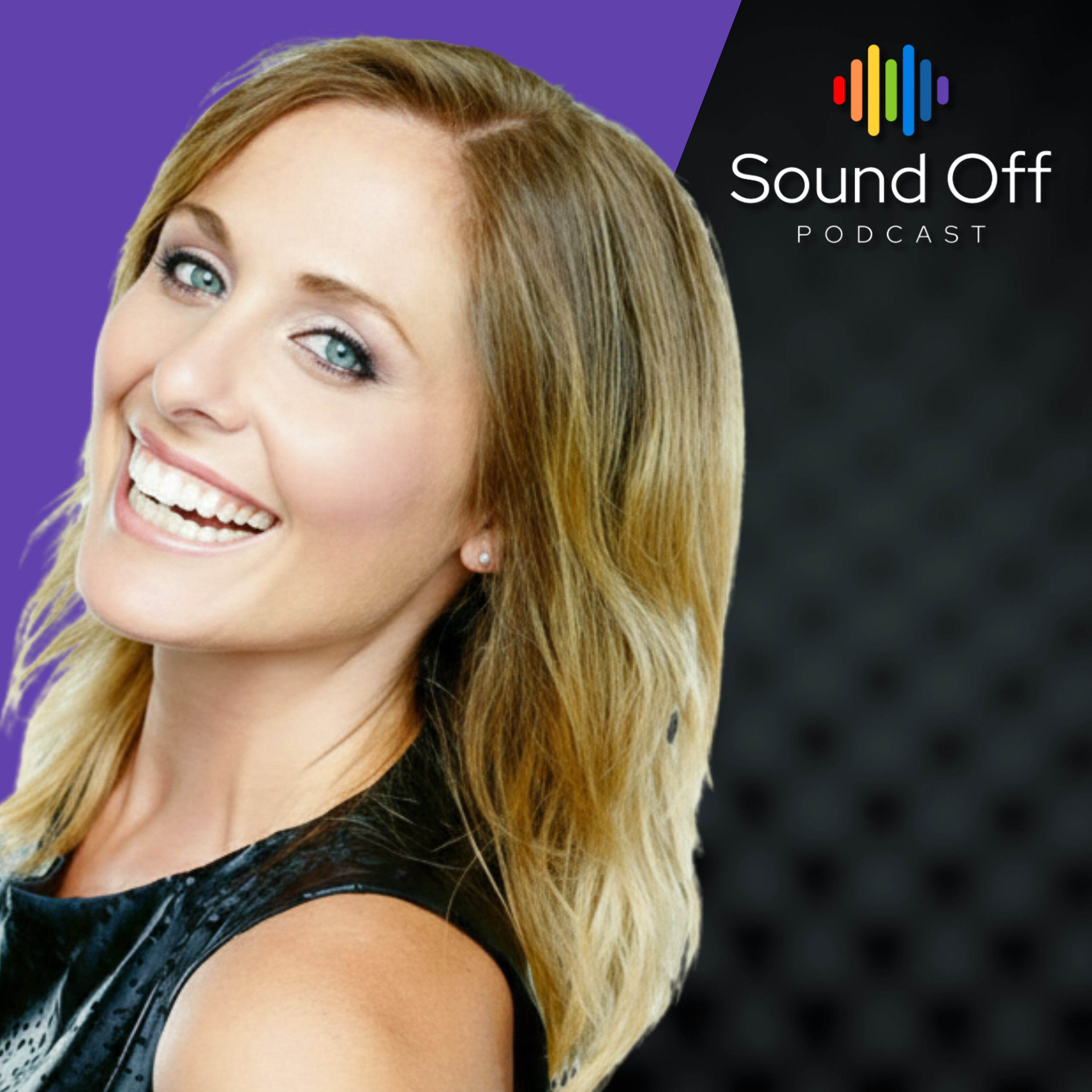


I spoke with Andrea about her career in radio and her transition to voiceover. I met Andrea back in 2006 whe she was just fnishing up her tenure working promotions for Power 97 in Winnipeg. She went on to become a prominent figure in the Winnipeg and later Montreal and Toronto radio markets. She highlights her roles at Curve 94.3 (Remember that?) in Winnipeg, Virgin Radio, CTV, and iHeartRadio, and her shift to voiceover after being laid off in 2018. If you are going to listen to one valuable part about today's world, check out how she is handling AI and her business. She is thinking of the things that a lot of people have not considered for both radio and voiceover. In short: Protect Your Voice. We also discussed her involvement with CAVA, The Canadian Association of Voice Actors, and her recent move to Ottawa.
CAVA is a non-profit, national organization formed by industry professionals who saw the need for a Canadian version of the U.S.-based National Association of Voice Actors (NAVA) - given that we have different laws and needs in Canada. If you are a voice actor in Canada - joining does not the cost a lot and the perks will literally pay for the membership.
Please sign up for the SOUNDING OFF Newsletter. All the things that went unsaid on the show.
Also we added the Sound Off Podcast to the The Open Podcast Prefix Project (OP3) A free and open-source podcast prefix analytics service committed to open data and listener privacy. You can be a nosey parker by checking out our downloads here.
Thanks to the following organizations for supporting the show:
Megatrax - Licensed Music for your radio station or podcast production company.
See Privacy Policy at https://art19.com/privacy and California Privacy Notice at https://art19.com/privacy#do-not-sell-my-info.
Tara Sands (Voiceover) 0:02
The sound of podcast, the show about podcast and broadcast starts now.
Matt Cundill 0:13
Andrea Collins is someone I met back in 2006 she was just finishing her summer contract after working the summer cruiser at power 97 in Winnipeg, and she came to ask me for some work. I was the program director. I said, No, it was literally my first week, and I couldn't hire her because I didn't have any reason to fire anyone else, you know, budgets. But that's okay, because I spent the next seven years trying to hire her with zero success. We're going to hear all about her time in Winnipeg, Montreal, Toronto, and the wonderful life she is living in our nation's capital as one of the very best voices anywhere.
Andrea Collins 0:52
Yeah, this is a Neumann TLM 103, it's pretty good. And then I have a mo 2m for interface. I'm on a Mac. I use Adobe Audition
Matt Cundill 1:03
headphones, Sony's,
Andrea Collins 1:04
yep, I just love these. I will always love these from Radio Days I just like, crank myself. I'm gonna go deaf some days,
Matt Cundill 1:13
okay, well, if you begin to hear a tone when you hit your 50s, Oh, it's nothing. Don't worry about it. And now, Andrea Collins joins me from the National Capital Region of Canada. You were so young and so millennial, and radio was, you know, still cool. But why did you choose radio?
Andrea Collins 1:35
Oh my gosh, I feel like radio kind of chose me in a way, like I think I've been on this show, maybe totally my backstory a few years ago, but I was on air in Winnipeg. I was going to, or, sorry, I started. I was at Red River, no wait, I started at U of W, and then I was on the university radio station. Then when I switched to creative communications in Winnipeg, I was doing a bunch on the Red River station, on
Unknown Speaker 2:01
kick 92.9
Andrea Collins 2:03
kick 92.9 Yeah, and I did the imaging for that station too. And then when I graduated, or was about to graduate, Bell reached out and they hired me just I guess they had been listening while I was on air in school. And so they hired me. And then I was doing the morning show with Don Percy, the master of the morning on the oldie station, and then jumped around in that building. Oh, but previous to that one, we worked together as a summer job. I was the power 97 cruiser girl, right? Matt, that's where we work together.
Matt Cundill 2:34
Yeah, I got there right at the end of your, of your tenure, right at the very end of the summer.
Andrea Collins 2:39
That's right, man, when was that? 2007 2006 2006 what that was? 20 years ago, Matt, that's insane.
Matt Cundill 2:52
We had this one conversation. You were asking for a job, and I was like, I don't have a job. I just got here. I don't have a job for you, because it's like, I would have to fire somebody, and I don't know who to fire in order to give you the job.
Andrea Collins 3:08
That's a fair reason not to hire me. I think I somehow managed to keep my foot in the door in that building, because I would come back and I would voice commercials like, I was like, Can I just come back and, like, learn how to voice commercials like, you don't need to pay me. Just let me come and they did. I forget who the producer was then, who was in production? Jay Richardson, no, it wasn't Jay. It was Gord. Gord, yeah, like I did. Got so much practice and voiceover in that building before moving over to Bell.
Unknown Speaker 3:39
Crazy. How long ago?
Matt Cundill 3:41
And you mentioned it because I had lunch with Don Percy, and we were talking about some of the people that he had worked with over the years. No, I'm sorry, he was talking about some of the people he had worked with over the years, because nobody gets a word in edgewise with him, but your name came up, and he always knew you'd go on to
Andrea Collins 3:56
great things. Oh, that's so nice. Yeah, it was funny. It was like, Don and I met at a coffee shop. I think it was between myself and a couple other people. We met, and, you know, we had coffee, and then he was like, Okay, great. Well, let's do this. And it was sort of like him that chose me, like they narrowed it down, and then he chose who he wanted to work with. And he was so lovely to work with, like I was making so many newbie mistakes I would be doing the news. I'd like, forget, like, the sound UPS would freeze, and you'd just hear me, like, panic breathing in the other room. And then they let me host the like, request show for an hour after the morning show. And that was just so fun. And like, I get all these callers from around Winnipeg and and just like they were just very forgiving of me in that building. And then I did that for a while before going on to Q 94 which then quickly switched to curve 94.3 which then I think I saw in Winnipeg, there's like a new station that's come out, and Jay's on it, who was my co host on. And curve. And it's like, basically curve. It even looks like the same logo and everything.
Matt Cundill 5:05
Yeah, they got the green colors in there. But I wanted to ask you about curve and that station, because it was
Speaker 1 5:11
pretty cool station. It was a cool station.
Andrea Collins 5:14
Yeah, I remember Andrew science long and Dale Davies were in charge of, you know, the station, and we were just having so much fun playing edgier, more alternative music that Winnipeg didn't have on air at the time, you know, like Arcade Fire and Mia and I guess people hated it. I don't know. Can't remember what the numbers were like, but, you know, I think they exploded the station maybe two years later, but it was so fun. While we were on there, Jay and I were doing the morning show, and I think, I can't remember exactly now, but I think they, like, basically cleaned house one day, and Jay and I came in, and they were like, everyone's been fired, but we're keeping you guys, you're going to be going on to something else, but we can't tell you what. And we were like, what? And they were like, curve no longer exists, but you still have jobs. It was December 1, so they were like, We're flipping the station to a Christmas station immediately, and you're just going to host this Christmas show on a Christmas station for a month, and then we'll tell you what's going on. Can you imagine radio is so crazy nowadays? You never know I I'm not gonna lie. I'm, I'm, you know, it's been how many years that I've been out? 2018 was when I was last in radio.
Matt Cundill 6:31
Yeah, I was gonna say 10, but it's eight.
Andrea Collins 6:33
It's a grind out there, isn't it? What are people saying? How are they feeling?
Matt Cundill 6:39
That was 2009 when that happened. And you're talking about, isn't radio crazy now, but it was crazy then that they make this mistake of not giving a radio station like curve at least three years to work, just the level of impatience to make it happen, because it takes three years to build an audience in just about anything. Even as a voice actor, it takes at least three years of making the rounds and letting people know who you are in order to get established.
Andrea Collins 7:06
Yeah, for sure, good things take time. Gotta stick at it.
Speaker 1 7:09
Podcasts included. How'd you find your way to mix in Montreal? My partner
Andrea Collins 7:15
at the time, was working for Bombardier. He was an engineer, and he had taken a job there, and then, so I went looking for a job there, and then there just happened to be a midday opening. It was virgin radio at that point, Virgin radio 96 and I flew to Montreal. I, you know, I was doing mornings in Winnipeg. I'd had a few years under my belt, and I was, like, pretty much the exact demographic that they were looking for for that midday show in Montreal, flew there, met with Mark Bergman, who became my boss. We went for sushi, we had a, you know, great meeting, and then they pretty much offered me the job right after that, I think I started maybe a month later. That was so fun. Montreal was my favorite time in radio. It was so exciting. It's just such an incredible city, culturally, so many different types of people, food, you know, walkability experiences. It was just like the top. I loved it. There I was on mid days for a few years, and then I can't remember, maybe three years. And then I was doing drive for two or three years, and then I do basically a lot of the morning show fill in. And then at the same time I was doing TV, I was doing weather and entertainment on CTV. And it was just, like, really exciting. I felt like, especially the English market in Montreal, like it's quite small, in the sense that, like, the City of Montreal is quite small, and you're always, you're kind of going to everything, and, like, the community was so nice, and it was just, it was just the best that's where you're from, right?
Matt Cundill 8:53
The English community in Montreal is the same size as Winnipeg.
Andrea Collins 8:57
Is it? Okay? That's interesting. That's interesting. You say that, yeah, because it's like a big city, but it didn't feel super big city. But, yeah, it was such an incredible experience. I loved being there. And then I was there till 2016 when I went to Toronto,
Matt Cundill 9:12
I forgot about your time on the TV. Yes. I mean, that's, that's generally, you know, an all star cast that hangs around there. CF, CF, 12, yep. CTV, Montreal, yeah. I mean, that's
Andrea Collins 9:29
yeah, Mitsuki Takahashi legend. She's like, the coolest lady, and she, like, held that seat for, I don't know how long, 20 years, maybe more.
Matt Cundill 9:40
Yep. And also shout out to Christine Long.
Unknown Speaker 9:44
Christine Long
Andrea Collins 9:46
always just like the most fun person to be around in the control room, she or not the control room, but in the in the newsroom, she was just like, always chatting, always had some fun story she was chasing so great, contagious energy.
Matt Cundill 9:59
Yeah. Yeah, and I can't get past this either without another Winnipeg shout out to Randy Renaud.
Andrea Collins 10:06
Oh, my God, Randy Renaud, man, this is so nice. I love when I listen to this podcast, how I just hear so many names because you're so like, you've just okay. I did a stint in BC because I'd done some intern work in Victoria, X 92 nine. No, not x 92 nine was that on the island, I can't remember. I was on a radio station in Victoria.
Speaker 1 10:30
You were on the zone 90 130, yeah, the zone.
Andrea Collins 10:34
That's it. I wasn't on the zone, but I interned on the zone. I was on their pop station in the same building, but Jeremy Baker, yep, I heard him on here recently, and it was like a walk down memory lane. It's so nice hearing those voices. It's like, and I remember just hearing his voice on this podcast. It like took me back to those early days in radio, like I just thought he was the coolest, and he was so fun to be around.
Matt Cundill 11:02
The old stories are great. And then we always, we will always talk about the future. On this show, I always make a point of somehow find a way to work in the future. But you know, with any good history, you can't really see where you're going unless we can talk about where you've been
Andrea Collins 11:17
for sure. Yeah, let's talk future. Let's talk where we are now.
Matt Cundill 11:21
Well, I will in a sec, but tell me about the Toronto experience, because you were doing a lot, and I began to hear a lot of you across the country and appearing in other places, and you're doing some work for iHeart, and you were doing interviews like, what was that Toronto Life like? Where I fell out of really knowing who you were, you had moved on by that point in my life,
Andrea Collins 11:43
yeah, yeah. And yet, here we are, 20 years later. Yeah, Toronto was, like, so exciting. I felt like I'd made it in a way, you know, like I was in Montreal. I was kind of thinking, Okay, where do I want to go next? My boyfriend and I had just broken up, and I was just sort of like, ready to move on from Montreal. And the timing was serendipitous. David Corey randomly showed up, you know, in the building for some meetings and and I met him briefly, but I don't know if they'd had an eye on me at that point to maybe to come to Toronto, but we went out for dinner and chatted, and he said, Look, there's this cool opportunity. We're going to become part of iHeartRadio, and we want, like, a face and voice of the brand to be sort of like our I Heart Radio ambassador for Canada. Would you come and do it? And I'm like, Yeah, for sure. Like, I was absolutely thrilled. I couldn't believe that was happening. And the catch was, okay, well, I heart is going to take a little while to sort of get rolling. So why don't you come our morning show host, Maura Grierson, still such a good friend on Virgin was going on Matt leave, so they were like, fill in for Maura with Tucker for a year. And then by the time that's done, we'll roll out your your I heart position. And so that's exactly what happened. And then in the meantime, while I was doing the morning show, I was also doing a bunch of interviews on camera stuff. And it was so exciting, like I got there, not only was I doing a morning show in downtown Toronto out of the Much Music Building, you know, Marilyn Dennis filling up my coffee cup beside Marilyn just and she's in the studio right next door. Just so exciting. The celebrities I met and interviewed was bananas. Like everybody would come through that building, the biggest celebrities in the world for television and and music. And so they would always come see us on the morning show, lots of times. And if they were too big to come by the morning show, I would get to go interview them as the I heart ambassador. So, like the biggest people of 2018 but everyone from like you know sting to like Chris Martin and like Ed Sheeran and like bunch of you know guys from one direction, the Backstreet Boys, I was, like, a highlight of my life. Pink Kelly Clarkson, like doing like full like album release things with them, and flying to LA and interviewing a lot of celebrities of that level, me and them in a room, cameras face to face. You know, 30 minute interviews with these huge celebrities, sometimes for movies where it would be like, I remember it was a Harry Potter movie, and it was like, in a I was in a room with like, Zoe Kravitz, Jude Law, Eddie Raymond, I think is his name, just surreal. Man. What a life I was leading at that point. It was so exciting. And then once the morning show ended, I was just full I heart. So I would do that sort of stuff, interview celebs in the building, fly around to interview them, and then I was also hosting a daily syndicated show. It was called iHeartRadio. Nights I would pre record it during the day, weave in a lot of my content that I've. Recorded with artists, mixed in with new music and your usual fun radio banter. And then that would go out to all the Virgin radios and some non virgin radios, but under the bell I heart umbrella across Canada, and I think that was airing in maybe 12 markets, 15 markets a day. It was just wonderful. I had my own, like, I had my own studio in that building, which was in the basement. What I learned everyone in the basement actually calls it the lower level. So I was in the lower level, and it was just, it was the life. And then in 2018 and, you know, like, it was it the same as my experiences in Winnipeg and Montreal, like, Did I have as much fun? Like, in terms of, like, building culture, it was better in Montreal and Winnipeg also, maybe that was just like the time in my career where you're just, like, young and everything's just so much fun. But I felt like, you know, when we when I went bigger in Toronto, you lose a bit of that community feeling, because it just becomes So, what's the word I'm looking for? I don't know, massive.
Matt Cundill 16:10
Yeah, expectations. It's massive, and it's busy, and there's also, at that point, there's lots to do, there's lots to cut up. There's lots of shows like for the number of people who I've interviewed in that position who had to do iHeart nights or had syndication, there was many small buckets of content to feed across the country to many different places. And there's, there's a high amount of focus that needs to go in to make sure that it's that it's right, right, because you're kicking it out to a bunch of different spots, and it's going to places that you're not going to be able to hear it unless you listen yourself on the internet, as opposed to it being on the radio and done terrestrially.
Andrea Collins 16:50
So, yeah, exactly, yeah. So that was a very exciting experience that I'll never forget. And in 2018 they cleared house. Same thing. Fired everybody on Virgin radio, and then let go of me, few other people from chum. I think that day, just like across the building, there was huge layoffs, and that turned out to be a blessing in disguise. I think I was ready to move on from media, because it's so it's stressful wondering when you're going to lose your job, because you know you're going to, like, there's a they're rare. It's very rare to have a long career in media anymore, and even my friends who have, they're still at that point that if they were laid off today, they'd still have to figure out what the heck they were going to do for the next 10 years or so before
Unknown Speaker 17:41
you retire. There
Matt Cundill 17:43
was 2018 when that happened, right? So I didn't hear from you. And I thought, if she still has a job, then if I haven't heard from her, but I didn't hear from you, and I thought, oh, what's she doing? I guess she's doing voiceover. And eventually, as time went by, it was Marianne Iverson who said, Oh, I know exactly what she's doing. And I said, Well, tell her. I said, Hi. And so you talk about a studio in the basement in Toronto where you're doing all this work, but was that similar to the studio you might have had at home doing voiceover and voice work, or was the studio in the, you know, at the station, the main one, and then later you built a studio at home? What's, what's the timeline for, for doing home voice over work for you.
Unknown Speaker 18:23
So I was laid off in 2018
Andrea Collins 18:25
and then I converted a closet in my house in Toronto into my studio. I mean, it was like a tiny closet, and there's still tons of clothes in it, but it sounded great. And I started, you know, I had a couple agents at the time, but they weren't bringing me a ton of work. Like, for sure, it wasn't going to, like, supplement the income I'd just lost, but I had gotten a nice severance from Bell because I'd been with them for so long, and I used that padding to just really go, like, hardcore into making my voice over career work. I'd always done it, but it was never enough to, like, rely on to, like, pay the bills, you know, so, but people had always said, Oh, Andrea, you should you should be doing more voice over. You should take more seriously. So that was, like, this time when I had to just do that and perfect my space sound wise. And then, just like, honestly, just doing so many auditions and trying to find representation, trying to find places to get more auditions, and then trying to do as many auditions as I could, because if I know I'm gonna book two jobs out of every 20 auditions, well, then it's, you know, you just got to do the math like, Okay, well, then I have to do 100 auditions this week. Or which, you know, once you're in radio and you're used to doing things, you're used to your own voice. You're used to recording and editing your own stuff, you know, trying to get things out in the fewest takes possible. I became very efficient at it. And so, you know, after once my severance ran out, I was, I was fully supporting myself in voiceover. And it was just like, and it's just grown and grown and. Brown, which has been amazing,
Matt Cundill 20:02
and the business has changed so much over the years. So was there ever a point when you started maybe doing, you know, pay for play type auditions online? Were you doing multiple, 567, of them, and then maybe that shifted, because you're in Toronto, right? So there's lots more opportunity to audition, say, than if you're in Winnipeg.
Andrea Collins 20:20
So okay, so I would do a lot of auditions online pay to plays and through agents. At that time, there were still like, go into the studio and do your auditions, sometimes through my larger agent in Toronto, which was so inefficient, you go whatever, to this production studio, wait with like 10 other girls in your voice demo, and then do your audition for five seconds. And it took, like, the entire afternoon, you know. Now, while covid changed all of that, so then we started, you know, just sending in our mp three with our audition, very rarely. Now, do I ever do live auditions where I'm actually, like, on with someone like this, doing my audition. So covid just changed everything that made it so I could record and do live, directed sessions from home. And that's when I really stepped up my studio. I don't know if you know this, but I live in Ottawa now, so that made it so I could go from Toronto to Ottawa. My husband also works remotely like, or online, like, his his work is all online, so we could make that move. And then when I moved to Ottawa, that's when I, you know, made a studio that was, like, larger, and I could, like, turn in it. But yeah, yeah, covid really changed the game. Yeah.
Matt Cundill 21:36
So were you covid ready? When? When it hit? Did you have a home studio at that time?
Andrea Collins 21:41
I was covid Ready. That was huge, because there were a lot of big talent who were scrambling to get their their setup set up, because they were used to going into studios and having someone do it for them. So that was really good. And I feel like the industry, just like took off online. Now I hear about the heyday of voiceover being around, like online casting sites being around 2011 which I wasn't in it then, but I wish I had been, because apparently there are very few talent who had the chops and had the know how of how to make it, you know, record and edit, and apparently that was like the heyday. But I still think the heyday is now. I just feel like there's so much work. There's so many more places with social media and digital work that just need a voice. So I think that this, this sweet spot of this past decade, has been busy like there's been enough to audition for. It seems like there's still enough to go around.
Matt Cundill 22:33
Yeah, I would say that with AI in the last three or four years, that the very low end stuff is beginning to disappear, which I think is a good thing. And so if, you know, in the middle of the auditions, there's, there's still lots out there to do, and lots, lots of people need a good human voice and a very, you know, strong voice to get stuff done.
Unknown Speaker 22:53
Yeah, I agree.
Andrea Collins 22:54
And I think AI will be a bigger threat in the next couple of years, few years. But at the moment, you know, I'm just going day by day. At the moment, it seems like if you're going to spend $2 million on making a McDonald's commercial, you're not then going to go and cheap out and use an AI voice. So that seems to be the industry standard. At the moment, I agree that the smaller, lower budget jobs might be going to AI. But I've only had the instance once so far where someone has said, oh, you know what? This is out of the client's budget, they're going to use AI instead. I think that's happening. I just think they're just going straight to AI. And a lot of times, you know, I hear a lot of great AI actually, but it's used as scratch tracks. So a client might say that, here's the spot. It's complete. Here it is with the scratch track like you know, to give you an idea of pacing, but we Want to replace the AI voice with a human You.
Matt Cundill 24:19
What have you done to protect
Andrea Collins 24:21
yourself from Ai, well, I mean, as much as you can do, I guess not a lot. I mean, I always am careful about the people I'm working with. I don't do any TTS like I don't I don't just do, like, cheap AI jobs where you can go online and you can land a text to speech job, and maybe get $5,000 in your pocket for a few hours work, but then you don't know where that's going to show up, and you don't know what they're going to do with it. So it's not worth it. So I'll avoid jobs like that I've had, you know, actually, it's been quite a big thing this past year for me. I haven't really talked about it this much, but. A couple of the biggies in Tech have been trying to acquire my voice, and we've had conversations, one still ongoing, about how that would work. So I think it's really, really interesting, and I'm down to have my voice as my voice cloned, but there would have to be a lot of legal a lot of contracts, a lot of safeguards. And some of those safeguards include, you know, the ethical use of your voice in the sense that they can't do anything they want with it. It's got to be, where will my voice be used and for what? And, you know, very detailed as to what it will be used for. Can people make my voice say whatever they want? You know, I wouldn't want that. So if it's, if it's like a an assistant, if you're using chat GPT, you can't really make them say whatever, you know, they'll even stop at certain points. So that's one thing. But if my voice would be used to make scratch tracks, you know, I wouldn't want that done with my voice, but if it were to engage with a user as an assistant, that's cool, but it's like, where will that assistant show up? Okay, only in app on that one agree to app perfect, or will it be used across an entire ecosystem that, say, owned by one of these tech giants? Okay, well, which ones, then it comes down to licensing. So a lot of people are running into the problem that, let's just say, for an example, Hyundai wants to use your voice in all of their cars, and they want to buy that in perpetuity. That's, you know, in perp is just very risky, because it could be used 100 years from now, and you were only paid that one time in in 2026 so proper licensing agreements have to be in place, generally in one year increments, and then that usage is being re upped every single year. So then having a lot of conversations in that regard, what that could look like, what would be fair, and then, of course, the dollar amount that that makes sense to having your voice used that ubiquitously and in a way that's out of your control, because it's kind of like someone taking your arms and like using it for stuff. It's like, it's like, it's you, but it's not you, and it's used across the world, so it's got to be that's where I'm at with AI and protecting myself.
Matt Cundill 27:28
Yeah, well, you've obviously thought about it an awful lot to be thinking this way. And a great example is, let's say the Hyundai car, and let's say they do use it in perpetuity, and then three, five years later, you want to go and audition for McDonald's, and then the McDonald's people say, You know what that sounds like, the Hyundai car talking to me, right? So, big risks. Yeah, exactly.
Andrea Collins 27:55
So let's say someone huge buys your voice. Let's say Google buys your voice. It's got to be okay. We're going to do a five year deal, and every year you're paying this much, and you know, every product that you use that voice for, it's going up, and it's got to be the amount that you don't need to worry if McDonald's says no anymore, because you're set, you know, like they're making it so they're paying you, and they know that this eliminates you from certain categories, potentially forever. So those are pretty big things, and a lot of these companies would rather do that for very cheap, you know. And they can find people, it depends if they're looking to get Kristen Bell as the voice for their met a glasses. They're going to pay her a ton because she has the best agents in the world, and they're probably coming to her. She's not going to them, but can they go on Fiverr and maybe find somebody to pay $20,000 and have that voice forever? Yeah. So I'm not saying that's what's going on, but there's some number expectations that need to change for it to make sense, for like a professional voice artist,
Unknown Speaker 29:07
to give up their tools. So I'm
Matt Cundill 29:09
glad you mentioned that example, because one of the questions I was going to ask, and I'm asking it now, and that's, how do you know when you're being low
Unknown Speaker 29:18
balled? How do you
Andrea Collins 29:19
know when you're being low balled? Okay, that's a really good question, in like, commercial, or just in AI.
Matt Cundill 29:26
In commercial, we can leave the AI out of it. But just in general, when, you know, in commercial form, or for anyone who's who's into voice over and gets that sort of feeling, I think I'm being low balled. How do you know when you're being low balled?
Andrea Collins 29:38
Yeah, I feel like, now I've just sort of gotten, like, a feeling of the rates and the rates that I charge and the going rates in the industry. And, of course, there's always like, you can loosen the reins a little bit if it's like, okay, well, this is only going to be used in some small market in Georgia for six weeks. Like, can I go low? Sure. And then, you know, TV is different than radio, and instead. Turned it online, and, you know, there's a different category. So all of it can be a bit overwhelming. So there's something called the gvaa rate guide that a lot of people rely on. And it is basically, you can go to, you can Google gvaa rate guide. This is non union rates, which I'm non union, and you can choose the category, and it will tell you, like, the usage cycles, like one week to 13 weeks, six months, one year in perpetuity, and it gives you, like, a general window of what you should be charging that's in USD. So in Canada, I find that, like, it's, well, it's Canadian dollars, but it's also, some of the budgets can be a little bit lower. But I think that if it's like, you generally know if it's if it's like 3000 words and it's $100 don't do it. I think you have to think about how much time it will take, and how much that time will cost you in like a cost per hour basis. A lot of you know commercials, a 32nd commercial can be you can finish that project in five minutes, you know. But that being said, Should you they only pay you $150 No, because they're going to use it for the next year. So you have to think about that. How are they using it? How is it benefiting them? But you can generally find the rates online, and if, let's say you're doing auditions on pay to plays lots of times, the client will already list what they're going to pay you, or they'll give you, like, a general window, and you can always Aim lower in that range or higher.
Matt Cundill 31:26
So the answer is yes, we did do it in five minutes, but we did another 10 takes, but you still took the first take.
Andrea Collins 31:33
Yeah, yeah,
Unknown Speaker 31:34
exactly. You've got to be cautious.
Andrea Collins 31:37
And I get it, if people are just starting out, they want to do some things that are under budget, and you know, that's okay. I think that's fine. A lot of people would say, don't do it because you're watering down the industry and you're lowering rates for all of us. But like, come on, if you're just starting out and you need some stuff for your demo, just just do it. Don't sell your voice to AI.
Matt Cundill 31:55
But yeah, I might have done a few of those slow balls to just get myself started, because I was, I was lonely and bored and needed the interaction.
Andrea Collins 32:04
Yeah, and you're like, great, this is practice, and this, like, pays for my date out on Saturday night with my wife. You know, whatever you make, those dollars make sense in whatever situation you're in.
Matt Cundill 32:15
And if you would like to know more about the gvaa and the rate guide, it is in the show notes of this episode. Very, very handy for anybody who who wants to know if they're getting low balled, how do you keep your throat sounding so good?
Unknown Speaker 32:30
Lots of coffee.
Andrea Collins 32:33
I don't know. Okay, honestly, sleep. I need to make sure I'm getting my rest. I have two little kids so that can they're out of the waking me up at night window, but getting a good sleep making sure I actually found that wine really bugs my voice, so mostly just drink beer now. But I'm not one of those people that's like breathing into a vaporizer and like misting mint into my throat. Although that sounds nice, I find that if I just drink enough water and make sure I'm getting my rest. It's all good. But also, like my three year old, sometimes coughs in my face, so sometimes it's impossible not to get sick.
Unknown Speaker 33:11
Yeah, I do
Andrea Collins 33:12
lose my voice twice a year. I'd say now where it's just gone, and that's usually always come from, like having wine or something like that, and now not getting a good sleep that night, and then I catch a little bug, and then, like, my voice is gone. And that is super stressful for me when that happens, because it is literally, like clients that I have to say, like, I can't do this recording on Monday anymore. And they're just like, you know, like, what? What do you mean? You don't have a voice? And then I send them a thing, and they're like, Okay, you you don't have a voice. Well, we need to get this recorded by Wednesday. So we got to go find another talent, and then I'm just like, saying goodbye to this, like, huge client that I booked, or this, like, big job with a great budget, because, like, I partied on Saturday night, you know? So I
Unknown Speaker 33:55
have to be careful about that.
Matt Cundill 33:58
My voice sounds like this because I had wine at lunch today.
Andrea Collins 34:01
Well, you're in Spain, of course. You had wine at lunch. Oh, sounds so good, yeah. So that's probably the voice health stuff in a nutshell.
Speaker 1 34:09
You know what they have in Barcelona? What Cava? Yeah, you know what they have in Canada? What Cava? Yeah, of
Matt Cundill 34:21
which we're both a member. So can you talk a little bit about Cava? Because we're both members, we joined. It's a new organization. I've seen you on the Zoom, you know, at the meetings and stuff like that. But talk to some of the benefits for Canadian voice actors about Cava.
Speaker 1 34:34
If you've experienced any, I think there's a lot
Andrea Collins 34:37
of benefits that, like, I wouldn't be able to go through the full list of them, because I don't know all of them, but I know that it's so nice having a community of fellow voice artists. And you know, they'll have, like, Zoom calls every couple of weeks to talk about the biggest issues in our industry. Maybe there's been, like, some big change with, like, a pay to play platform, like they had, like the CEO of voices on. A while ago, so we could all ask them some questions. I think last week there was like a demo Derby where you could send in your your take at doing the spot, and then everyone would listen together and provide feedback from, you know, like really great high performing talent who have so much expertise. So it's just such a wonderful thing to be part of the community. And it was based off Nava, the American one. The US had one. We didn't have one in Canada. So, you know, some big voice artists in Canada put it together, and it's just been so wonderful and welcoming and like, whether you're a beginner, intermediate or professional, it's you can always find something there, and you can ask a lot of questions. It's just really nice to be part of and to actually, like, see people like, even though it's on Zoom, it's like a bunch of people just getting together and chatting. It's really nice. Yeah, what do you think
Matt Cundill 35:48
of it? Yeah, even if you pay the money just getting together and having conversations and learning more about the industry, it's just, it's a great networking tool, just to keep you up to date on everything that's going on. And shout out to Tanya Buchanan, who's been behind this a lot to get this together. So I know she's worked very hard, and it's it's very helpful. We all work alone, and you don't have to. So even if you just pay the money for a collection of zoom calls to see other people doing what you're doing, it's a good thing, for sure.
Andrea Collins 36:18
And I think it's like $100 a year, maybe a little bit more. But like, you also get discounts to places, and there's even, like, a benefits plan. So that's pretty cool. I don't know what the rate is, but it's probably lower than you would get on your own as an individual.
Speaker 1 36:33
So yeah, really great. Tell me about your time when you came to Spain. What'd you love? What'd you do?
Andrea Collins 36:40
Oh my gosh. We had the best time. So my husband and I and our two kids, three and six, we went down, I think, at the end of May, and we landed in Barcelona. We spent two days there. That was great, but it was kind of just our jumping off point. Oh my god. I remember we got off the plane, the kids were like, it was like eight in the morning, but the kids were exhausted, and we just pushed them around in a stroller all day. And Steve and I drank like orange wine at like these cool bars for like four euros, and it was so good. Oh, heaven. There, heaven. And then we went, we did the cost of Brava. So we traveled north in Spain, up to France, and we probably didn't go any over 16 days, like, from where we started to where we end or turned around. It would have been like three and a half hours. We dipped into France. But we we did it the right way with little kids. Like, let's say there was like this cute, busy town right on the ocean. We'd stay like, three kilometers inland on like, an apricot farm with like a pool and like horses, and like, you know, vineyards, and the kids could just run around and play soccer and swim, and we'd like, stop at these beautiful mercados and bring our dinner back at night and but then, like, make the most of our days out at the beach, and it was so wonderful. So we did that for two and a half weeks. We went up to Spain. Sorry, we went up to France. When we were in France, we also had a great time in France, but our car was broken into, windows smashed. They took everything, everything because we were between accommodations. So luckily, we only had four days left at that point, because we had literally nothing. So I was like, running into H M and A mall in France to, like, re buy our entire lives, and they
Matt Cundill 38:30
didn't get your travel mic, did they? They
Andrea Collins 38:33
did. They took my travel mic, my laptop, everything, the iPad, the clothes, diapers, the toothbrushes, the shoes, we only had what was on our bodies. Luckily, they left the passports. But anyway, great time in Spain. I'm going back in a couple of months. I've gotten really into ceramics, so you're going to Seville? Yeah, I'm actually going somewhere for a retreat where we're going to forage wild clay in the mountains and then make ceramics and then fire them in the ground, and then we're going to my girlfriend and I are just going to bop around. So I'll have to hit you up for some recommendations. Actually, yeah, I'm doing that in a couple months. But wow, it's so nice being out there. You realize one how expensive our groceries are because, like, you can live large out there with the most beautiful food, and it's like a quarter of the price that it is here, and just the culture and, like, wine. Well, I mean, like, and wine, yeah, they just got it right, supporting small businesses, still having your butcher and your fishmonger and your cheese guy, like, how nice. You know, there's neighborhoods in Canada where we support our small businesses, and they're generally the most walkable neighborhoods. Montreal is huge at supporting small businesses. You know, communities I've lived in in Toronto where you're you're on foot most of the time, great at supporting small businesses, but it's. It's tough not to just big box store it, you know, I get it, so that's awesome. Good for you guys. Are you gonna do that forever?
Unknown Speaker 40:08
I think so.
Matt Cundill 40:09
Yeah, I think so. I just, I mean, I just moved myself. I left Winnipeg, moved to Santa del Quebec.
Andrea Collins 40:15
Oh yeah, sweet. I was thinking st Adolph to Howard, but st
Unknown Speaker 40:18
Adele, oh yeah,
Matt Cundill 40:20
halfway between mo trombone and Montreal.
Speaker 1 40:23
Okay, you know who lives there? Chantal Desjardins, that's actually about
Matt Cundill 40:28
10 miles up. Chantal, yeah, I expect a call from her soon. She'll be coming over. She can invite me wakeboarding or something like that. Do you ski? I could try that again, yeah, but I've snowboarded most of my life.
Unknown Speaker 40:44
Nice, yeah,
Andrea Collins 40:45
that's, that's the area. It's so great in there we've been. So I live in Ottawa now, so we're always in Quebec, because it's basically Quebec. And we go skiing every weekend in Quebec. We go to trombla as much as we can, and we go skiing. And I just like, love this little corridor of between here and Montreal, and then up north into trombone, there's just so much, such a great culture of little ski hills. And, you know, it's a really nice vibe. So, so, yes, traded the Toronto Life for just like, just outdoorsy life here in Ottawa.
Matt Cundill 41:16
And so how often do you get back to Winnipeg and how much do you
Unknown Speaker 41:19
miss it? I'm actually going back
Andrea Collins 41:22
to take the kids back for a couple of days during spring break in a month, I don't get back as much as I would like. I haven't been back in the winter in a long time. I usually do, like, one big summer trip. My parents come here a lot now. So my parents are still alive and well, and they live in Winnipeg, and they now kind of come to us because we've got the little kids so but I still love Winnipeg. I love the creative culture in Winnipeg. I love the community. I love that it's cold, but people are still living their lives, and summer in Manitoba is just heaven. And I really get excited to go back to Winnipeg and go around that like Osborne, Wolseley, little area every time I'm back and see kind of like, what's popped up, or the exchange to see what little restaurants are going on there.
Matt Cundill 42:16
It's a great city. Yeah, Osbourne's had a bad few years, but it's back. It's coming back. A couple of restaurant recommendations I'll put in the show notes for those who are headed to Winnipeg who want to check out some some good eats. But if you build it, they will come. And I think I'm beginning to notice more people down on Osborne over the last year, year and a half.
Andrea Collins 42:36
Honestly, when I go back to Winnipeg now, and I drive through some of the neighborhoods, and I look at the beautiful houses and on the like, tree lined streets. And I'm like, my god, where I live, that house would be like, $3 million but you can still get it in Manitoba for, like, I don't know, I heard the prices are really going up, but, but, like, it's still decently affordable. You can have a beautiful home on a beautiful street with a great school. It's a good city. You know, in Toronto, in Montreal, you're working, working, working to pay your mortgage, and your kids are at after school, care until 6pm because you've got to, like, be, you know, working your job for as many hours as you can to just pay the bills and get by. And I feel like in Manitoba, my friends that still live there, they don't feel that hustle necessarily, in the same way they can pick the foot off the gas a little bit.
Matt Cundill 43:28
Hey, Andrea, thanks so much for doing this and taking the time and coming on the show.
Andrea Collins 43:34
My pleasure. Thanks for having me.
Tara Sands (Voiceover) 43:41
Another sound off media company podcast you.


