From Tragedy to Triumph: One mans story of Hockey, Healing, and Mental Health
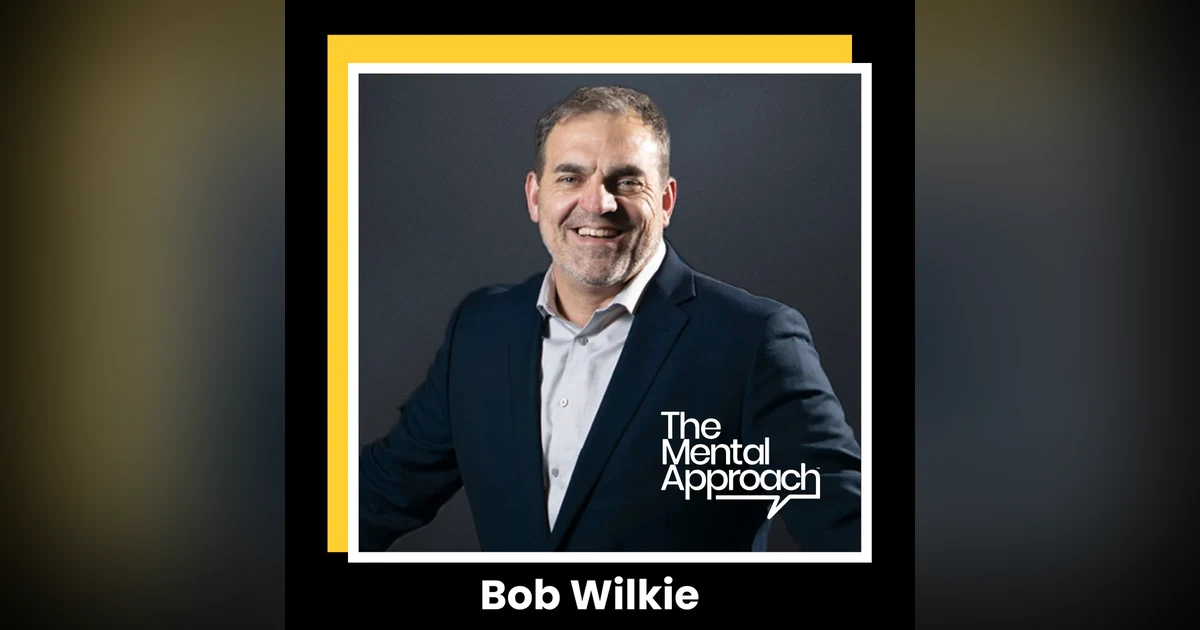
In this powerful episode of The Mental Approach Podcast, host Todd Arkell sits down with Bob Wilkie — former professional hockey player, author, founder of I Got Mind, and mental health advocate. Bob’s journey through the highs of junior and professional hockey and the deep lows of trauma, loss, and identity struggles provides an unflinching look at the realities behind the game.


 RSS Feed
 Key Topics Covered:
- Falling in Love with Hockey: Bob’s early inspirations, Hockey Night in Canada, and forming his identity around the game.
- The Swift Current Broncos Bus Crash: How tragedy reshaped his life and inspired the “For the Boys” scholarship honouring lost teammates.
- Mental Health and Hockey Culture: The lasting impacts of stigma, the toxic side of “tough it out,” and the dangers of unchecked hockey culture.
- Resilience and Redemption: From hoisting the Memorial Cup to battling trauma, substance abuse, and rediscovering purpose.
- I Got Mind: Building mental wealth through communication, expectations, teamwork, and soft skills for athletes, parents, and coaches.
- The Sideways Documentary: Telling the story of the crash, its aftermath, and the long path toward healing.
- Practical Advice for Young Athletes & Parents: Managing expectations, focusing on fun and development, and building habits that strengthen both mental and physical performance.
Matt Cundill 00:01
This is the mental approach where we discuss mindfulness, mental performance and the tools available for coping in a high performance world. Here's Todd Arkell.
Todd Arkell 00:12
Today, my guest is Bob Wilkie. Bob is a former professional hockey player, founder of I got mind, which is a mental wellness and mental performance organization. He's an author, speaker now, now a filmmaker, but most importantly, Bob has a deep story to tell, one that really cuts deep for those in that are in the hockey world or involved with with young kids. Bob was a member of the Swift Current Broncos, who in the 1986 there was a tragic bus crash and four of his teammates were lost. There's other team dynamics that were in play. And as a youth trying to make it in professional sports, had had the deck stacked against them in many, many ways, and came through a lot of this trauma and brought it forward to do a lot of good in the world. I really appreciated his time and this discussion. So I hope you stick around and listen to the show, like and subscribe on whatever platform you're on.
Todd Arkell 01:18
Bob, welcome. How are you
Bob Wilkie 01:20
great to be here Todd. Things are good. It's, it's always exciting when we get to have these conversations. So I'm looking forward to
Todd Arkell 01:26
it today. No, that's, that's great. So I know you're, you're coming to us out in Calgary. You grew up in that area, I'm gonna say, I guess you fell in love with hockey at a young age. And what, what do you think were some of the influences that kind of fueled your your journey in the hockey world.
Bob Wilkie 01:42
You know, it's interesting when you know, when you look back at how you end up in certain places. And you know, it all started with Hockey night in Canada. Growing up in Canada, I think every kid and so many families that's kind of a staple, you know, sitting around the TV watching the hockey games, and I just see it really resonated with me. You know, we had a rink right outside where we lived growing up, all the other kids were out there, so it was a great social connection with everybody. And yeah, you just, I got positive affirmations at a very young age. They used to call me Bobby Orr when I was little. You just because I loved it so much, I worked at it. I really tried to, you know, keep up with the older kids, and so all these things are occurring, and it's just really starting to form my identity. And, you know, it looked really good on TV, right? Celery Saturday night, absolutely right guy, La Fleur and the Toronto Maple Leafs. And, you know, at that time, it was just a really exciting time. It connected my dad and I my brother. So there was just so many good things about it. And I think every story starts like that, and right, you fall in love with something, and it's great. And as you go along, that love is
Todd Arkell 02:58
tested. Yeah, I you know, it's interesting. I think about, you bring that up, and you think about it, okay, you can stay up. You can stay up to the end of Coach's Corner and have your, have your bowl of playing chips and your warm Coke or whatever, that whatever you had is your little treat, and then you had to go to bed. Maybe didn't see the whole game when you were younger. But it the fabric of hockey. And when we talk about this, like even, I think, you know, of course, hockey is a global game. Now it's, it's all over the world, but I, I do believe, you know, for certain vintages of people in Canada, it was really woven into the fabric of just what you did.
Bob Wilkie 03:34
Yeah, I think it's Canadian. It's something that you know, especially going through what we have the last several years here in Canada. You know, the question in a lot of conversations is, who are we as Canadians? What does it mean to be Canadian? And, you know, talking with all my group, it's really interesting, because growing up, it was wearing the jersey. You know, it was given to have the opportunity to wear that maple leaf on our jersey and really represent Canada, and it really does resonate with so many people, right? The World Juniors, the Olympics. You know, we are the ones who founded the game, so it's kind of our identity, and it's, it's awesome. You know, when you go to the community rinks and you see how much hockey is still a staple in Canadian communities, what it does for people, where it takes us, how it brings us together. It's just an awesome game that you know has really resonated with us
Todd Arkell 04:30
Canadians, turning to, you know, the next step as you go into junior hockey, hockey, and for those who aren't familiar, we'll probably have some deep conversation for the next little while. I think in recent memory, the Humboldt Broncos bus crash tragedy in Saskatchewan was was something that stands out to a lot of listeners, and I think, you know, in the day and age of social media, it was obviously echoed pretty far to a lot of homes in the stick. Out on the porches and all those different things for for the boys. And at the time we were, we were billet families for major junior hockey players in Ontario, and it was a pretty emotional time just thinking about, you know what, what could happen. And I guess you sort of know in the back of your mind, you know accidents can happen, but you don't really know until until it does. And so I bring that up. And, you know, for those that aren't aware, Bob played for the swift current Broncos. Was probably, I think I was about 13 at the time or so. No, I was, No, I was older than that. Was 86 so, oh, geez, I give myself. I was in my early 20s. Sorry, I'm trying to be a baby again. That's what I'm trying to do. Yeah, it was, it was in 86 I was in my early 20s. And, I mean, obviously national, national coverage, tragic bus crash, losing, losing four of your teammates. And I know that just from everything I've read, I just want you to talk a little bit about kind of how that started to shape, maybe where you are today around mental health and and that kind of thing, and how that sort of impacted things with yourself and your teammates.
Bob Wilkie 06:08
You know, it's the unfortunate part about the game Todd is, you know, there's some negative experiences that come with it. And, you know, I had dealt with injury, so that's always a struggle for athletes to get through. I dealt with being traded. You know, that's always an experience that until you have it, you just don't understand how devastating it can be. And, you know, and then the pressures and stresses of trying to get drafted, and, you know, live the dream, right? You pursue it for so long, and you put so much into it, and finding myself in Swift Current was a difficult time. You know, I had played my first year in Calgary, so being a hometown boy, it was really exciting. Had a good first year as a rookie, started to be talked about with the NHL draft. So the excitement was really building. And going into my second year junior, you know, felt really good. The team had gotten some new management, they'd made some moves. So it was really excited about my draft year and just being able to, yeah, get drafted in the first round and get closer to my dream. So things flipped upside rather quickly, as they do in hockey. Anybody who's been involved at this level understands the challenges, and I got a phone call basically saying you've been traded to Swift Current. And that's that's when, you know things started to become more difficult for me, for sure.
Todd Arkell 07:27
Yeah, it's certainly, it's more than one thing, as people will find out that aren't familiar. So I'll kind of fast forward, and we'll talk about this a little bit, and then go backwards. But you know, with your with your company, I got mined, you've started the four boys Scholarship, which memorializes your four teammates, Trent cress, Scott Krueger, Chris mantejka, I wanted to say the names wrong. You know that that passed away that day, and can you maybe tell a little bit more about that initiative and how it supports growth for for future athletes.
Bob Wilkie 08:02
It's been a long time that I wanted to do this. You know, losing my four teammates that day forever changed my life. And you know, as we go through loss and experience different things in life, you know, we lose people that are close to us, but they're always there. And so the boys have always, you know, been with me on my journey. I've talked to them a lot over the years. You know, it's something we do when we have people that are close to us and to be able to, yeah, I think, you know, change the dynamics in the future for young athletes today. You know, with this scholarship, my teammates lost their dreams that day, and I think it's just a real good way for us to be able to keep them alive by helping young athletes achieve their dreams, and if we could do that in conjunction with celebrating my teammates, I think it's an outstanding opportunity for a lot of young people, and for me, selfishly, to keep the names of my four teammates
Todd Arkell 09:01
alive. It's a it's a great initiative. So, you know, if you can imagine, paint the picture for those listening. You know, you're involved in a horrific bus accident, some of your teammates die. You know what's, what's the next step? You know, counseling all these other things. But you had a coach at the time that told everybody, you guys don't need any help. How do you think that
Bob Wilkie 09:22
impacted you? It messed a lot of us up for a long time. For sure, you know, when you go through something like that in life, a lot of people don't, you know, go and search for the help, but being who we were and trying to strive for, you know, there's extra stress and pressure and not being able to get that help to manage, you know, just the most horrific thing of losing four of our teammates. We didn't know what to do. We didn't know how to do things. And, you know, being under the thumb of Graham James and everything that he had going on, he really was able to manage. It belayed a lot of people, and thinking that we were going to be able to get through it together, or that he had the skills to help us to make sure that we were, you know, going to be okay through the process. And yeah, as most times in hockey, you kind of take what the coach is saying at face value and think that he's knows something that nobody else knows. And you know, what we came to experience was a lifetime of pain, you know, shame, regret, so many negative things that caused a lot of us to really go through the deep, dark, you know, caves, tunnels, the underbelly of life. And that's hard to overcome for some people.
Todd Arkell 10:39
Yeah, no, absolutely. And Graham James, obviously, coming out several years later, Sheldon Kennedy bravely stepped into the limelight and and put Graham into the spotlight where he should have been all along, instead of hiding in the shadows, you know, creating a pattern of abuse of a lot of young players. And it certainly it changed the landscape of hockey in Canada too, because at that point they just let anybody coach. No, you know, then it really started an entire movement of police checks and vulnerable sector checks. And who are these people we are entrusting our children's lives to, like they're supposed to be role models. They're supposed to build them into strong young men, not take things away from them, from a from a mental state or a physical state, or, you know, as you said, so, you know, despite everything that happened, right? You have this bus crash. You have this coach that is infamously a horrible human being. Two years later, five of you managed to, you know, kind of still be on that team. You hoist a memorial cup. I kind of want to understand a little bit like, I mean, that's only five of you. It's like quarter of a team. But, you know, resilience, like, how did you guys help kind of keep things moving forward for your for all the new teammates that came in and kind of build upon that to to kind of get some, some happiness out of, out of everything that happened.
Bob Wilkie 12:07
Yeah, you know, again, 17, 1819, what do you really know, nothing. How did we go about doing that? You know, I really think it was the bond that we had together. I think it was we were all very talented, so that, you know, obviously, we were passionate about trying to become professional hockey players. So I think that that helped. It was just an amazing experience. You know, the core of us who had survived that tragedy, and you know what we had gone through when young players were coming in, new people were coming in, we really made them try to make them feel a part of the team as much as we could. You know, I think we did a really good job of helping people understand their roles. You know that we're all kind of in the same boat where it's a challenge, and we don't quite know from day to day, but together, we can get through things. And yeah, I think, you know, we were very fortunate to have Lauren fry, who was our assistant coach in GM at that time, and he was just exceptional at finding young talent. And, you know, he kept bringing us these very talented young players that made it a little bit easier for us, where we had the support, we didn't feel like we had to shoulder all of the burden of trying to win every hockey game. And I think just spreading the love, and you know, the responsibility, helped us achieve something that I'll never forget in being able to hoist that memorial cup is one of the best teams. And I think, you know, a real credit to what we were able to accomplish. There was several years ago where we were voted the all time best junior hockey team, because what we had gone through to to get to that memorial cup. So it's amazing the human spirit, what can endure, what it can overcome. It really was the connection, the support and the love, just the understanding what we had been through, I think, allowed us to achieve something that a lot of people never thought we would be able to.
Todd Arkell 13:58
Yeah, and for those that don't know. I mean, playing in the Western Hockey League, what 10 hours is a short bus ride? I mean, the cities are very far apart, aren't they?
Speaker 1 14:07
What do you think about better today? Back in the day, it was a lot
Todd Arkell 14:11
of bus trips, yeah. And you think about, you know that, like, how was it getting back on the bus? I mean, after the tragedy, like, how did you guys manage to find the strength to kind of get back on and keep going?
Bob Wilkie 14:25
You know, understanding trauma way more today than I did back then. It was terrifying. I remember the first day trying to get back on that bus and just standing at the doorway and completely terrified my heart feeling like it's going to come out. You know, shaking, the sweating, starting to come down. And you know, anytime we go through a traumatic experience and then have to go and put ourselves in a situation where that could potentially happen again, is not easy. And you know, 14 years I kind of continued to ride that bus after that event. And you. Never felt comfortable on the bus. You know, anytime there was that same kind of movement that I remember from when the bus went off the road, I'd be popping up. So not a healthy thing, you know, especially not processing or really learning how to overcome that trauma made it that much more difficult and paralyzing at times where I just did not want to get back on that bus. And we had an incident not not long after that, where there was another snowstorm, and I remember going up to the front and, you know, telling Graham, like we're not we're not traveling, like we're all getting off the bus. If you're going to go you're going alone, you're not going with us on the bus. And, yeah, it was a very difficult thing for a lot of us to continue to ride what had been such a horrific experience in our lives.
Todd Arkell 15:46
You manage, you put one foot in front of the other. Somehow, you manage to go through two years, you win a memorial cup, then you're drafted to the NHL, drafted to the Detroit Red Wings. Little easter egg with the hat I'm wearing, for those that are watching on video, and the Philadelphia Flyers, who was my childhood treat team, just so you know, they were. I liked the bullies. I don't know. I guess I did. I was a I was a goalie, and I love Bernie perront, and he ended up in Philadelphia. And then I went to watch them play, and I said, Man, these guys are crazy. This is, this is wild. It's totally different. They're scared everybody. I love it. So you realize the dream you get drafted, but you only play 18 games because, you know, probably my guess, is little bit of self sabotage. And I think you've been fairly open about different substance abuse, which was probably obviously self medicating to to kind of put everything away, you know, how hard was that trying to, you know, you you talk about it. You start as a kid, that's your dream. You get to the dream, and then it's, it's not entirely a dream, yeah,
Speaker 1 16:55
a lot of times it felt like a nightmare, for sure. Todd, you know, it was, it was a big disappointment. I felt like I was letting everybody down because I wasn't able to stay there. You know, my first stint with the Detroit Red Wings was very difficult. It was kind of at a time when the Europeans started to come over. So now we're battling for those jobs, really struggling internally with a lot of different stuff, you know, having the nightmares, having the flashbacks, really unhealthy coping mechanisms, like you talked about, you know, drinking too much, just because the emotional pain was so intense that I had to do something to kind of let it go. So, you know, could I perform at my best at times? But, you know, the minute that things didn't go right? It was very quick to dive to, well, this isn't going to work out, and, you know, create all these negative reasons as to, you know, why things working out and blaming others and pointing fingers and not realizing that I was just really damaged. You know, I had experienced a horrific, traumatic event and never really done anything to overcome that. So, yeah, I was in a place of darkness, confusion. It was really hard because I knew that I was letting a lot of people down. I was struggling with my coaches. I was not communicating with my parents. I was, you know, trying to put on different masks at different times. And so yeah, the opportunity to become that NHL hockey player that I had wanted since I was, you know, two, three years old. I think that was one of the hardest parts, is knowing that I was the one that was really messing it up. And it was hard because I could play on the power play, you know, when I did play, I was scoring goals, I was getting points, so I knew that I could play at that level. But there was just too many other things going on underneath the service that weren't going to allow me to continue to do that.
Todd Arkell 18:42
And I think it's tough. I mean, even today, and probably even I think more so back when you played. I mean, your your identity is wrapped up in all of that, right? And I always try to tell kids, you know what? Like you are you first, your sport is not you. And it's hard when it's so around you, right? Is
Speaker 1 19:05
really interesting. You know, when, when kids start? And this is any kid, you know, there's, there's certain things that happen to us. And, well, you know, we score our first goal, you know, we have have a really good game, and everybody celebrates us, and everybody is excited, and all they do is, you know, talk about how good it was. And so we start to form these things in our mind, this identity of who we are. And so the game quickly gets associated that we are hockey players. And you know, so many individuals really suffer when they get out of the game, whether they're 17 or 40, because who the hell am I now? And, you know, everybody always used to associate me with doing this. It is a very dangerous thing. It happens in all walks of life. Todd, it's really interesting, you know, whether it's a CEO or an NHL hockey player, when, when things come to an end, we really struggle, because we do make that our identity. And you know, you talk about the mental challenges, it's really being able to balance that. It's not your identity, it's something that you love to do, it's something that you're good at, but it's not who you are, and that's a really difficult thing for young athletes and parents especially, to really understand the importance of being able to separate those two
Todd Arkell 20:17
things. Yeah, and I think that dovetails into hockey culture too. I mean, sports culture, you know, but hockey culture a lot. I mean, I'll bring up, you made such a great point. Everybody celebrates it. I can remember, you know, somebody would come up to my son, oh, you play hockey. Did you score a goal today? And I was always like, no, no, no, no, no no, because lots of kids don't score goals. He did score goals. But that's not the point. The point is, I'm trying to teach people like, Hey, did you have fun, you know, as opposed to, did you accomplish something? And, I mean, I'm no freaking genius or anything by any match, but I just always it just kind of came to me, you're sitting there and you're going, you know, or you talk to parents and, you know, oh, they say, Oh, your son plays hockey, not just house league. I go, that's awesome, but, you know, we get wrapped up in levels and achievement. And parents are all their identity is their kid plays triple A or double A, and the kids identity is, I'm on the Toronto Marlies, or I'm on, you know, and then, oh, all of a sudden, then you're dropped. And then what does that do to you. There's all these different things, right? So long soliloquy of me going on, but Hockey Canada, a number of players who are on the World Juniors team are on trial for sexual assault. And part of as I'm talking to people about this, I'm saying, You know what? You got these kids that their whole life, people told them they're great, they're great at this, they're great at that, and nobody ever says no, and what does that do to they just think I can do whatever I want because I'm a hockey player and, you know, like, do you feel that that's really how the culture still is? Oh,
Speaker 1 21:55
I think it's gotten worse. You know, when, when we were kids growing up? Yeah, you could get out of going to school on Monday because you were away at a hockey tournament and and, you know, the just as you're progressing and moving up, people are cutting you slack and allowing you not to do things. So it really does create a sense of, I'm kind of above the law, right? These, these rules that everybody else has to deal with. I don't, I don't have to. And, you know, at some of my lowest points, you know, got in trouble with police and and, you know, fortunate, unfortunate, to get out of those situations because of who I was and what I was doing. What did it teach me that, you know, even though I was in pain, even though I was suffering and doing these things, it was still okay to drink and drive. It was still okay to, you know, and I think that's so much of what the hockey culture is, is we just put them on such a pedestal that we have this false sense of reality. And then, and then, you know, things happen like the Hockey Canada scandal, is that you make bad choices and listen those kids, you know, we're just doing what everybody else did. You know, this incident is not a unique situation. It's something that's gone on throughout the history of hockey.
Todd Arkell 23:15
Sadly, yes, and it's, you know, I have four kids. I have two daughters, and I always said to them, my Rules for Dating. Are no cops, no hockey players, and they'd always ask me why. And I said, You're a little young for me to explain why, but that's another story. But as I got older, you know, I could share that with them, and I think, if anything, I hope, that this particular incident serves for parents to be able to talk to their daughters about those situations, to talk to their sons about what's appropriate and what's not appropriate. I hope, I hope parents do that, if anything, to come out of that. But you're not wrong. It feels like it's not the first time, and it's not isolated,
Speaker 1 23:54
and you know, Todd, sadly, it won't be the last time you know, you talk about the role of the parents. And this is really important because, you know, these young guys, they had to make a decision, and they knew what was going on wasn't right. You know, we all know that, as we get put into different situations in life, but we continue to do it because other people are doing it, you know, maybe they put a little peer pressure, and so we cave in and we compromise ourselves. And I think the game really, and the pressures to achieve and strive, yeah, we compromise what's right all the time. Parents have a significant role, and like you said, telling and informing their daughters of what you know, what is acceptable and what's not, and the players as well. It's just when we get into those moments and it's kind of accepted, and everybody else is doing it. It's tough for some people not to participate in that. And can we be that? Be better at that? I think we have to get back to the values that are important
Matt Cundill 24:54
now, more of the mental approach with Todd Arkell,
Todd Arkell 24:58
you've gone through hell and back. Like you're retired from hockey, you know, like you're struggling with depression, and, as you said, substance abuse and stuff. What was the turning point that kind of helped you transition from that period in your life to focusing on making it your mission to to push mental health advocacy? Like, where did that happen? How did that happen for
Speaker 1 25:20
you? There was three significant things that kind of happened. The first was becoming a parent. So all of a sudden, you know, there's this massive responsibility for this little life. So I knew I needed to be better for that. And on that journey, you know, really starting to find myself again and feeling whole. So doing the work, you know, asking questions, learning, really trying to change who I was, which was not easy. And then the third one was just seeing the young kids of today struggling with lot of things that I struggled with as a young man. Those three things really motivated me to be the best version of myself, and as I started to find that now being able to help young athletes, their parents and coaches understand, you know, what was really important, what was needed in key situations, learning how to communicate, I think was, was one of the biggest changes in my life, is being able to express my emotions, understand what I was feeling, why I was feeling, and and then take that to the young kids of today, And the parents to work together for those that eliminates so much of what can happen.
Todd Arkell 26:26
So you've toured Canada, speaking with the aim to kind of help break the stigma. I mean, I you know, as much as everybody talks about, oh, you know we need to be and that's kind of part of why this is this. This podcast exists as well, is to show people that you know, you're not the only person kind of going through some of these things. And as much as we talk, it's about mental performance. For me, I think it's you know, you know, very much as much for mental health, because with good mental health comes good mental performance when you're playing a sport. What are some of the most maybe eye opening moments from these tours, like, how have audiences responded? Do you have stories of people that you know kind of came up to you afterwards and shared their story that kind of blew your mind?
Bob Wilkie 27:09
Yeah, there's there's always that. And I think, you know, being able to get through and overcome some of the challenges that we're going to face on our journey, it's really about practicing the vulnerability of sharing where we're at and why we're disappointed. And so a lot of the shows when we're up there, or I'm up there, you know, sharing my story and being vulnerable, it absolutely breeds more of it. So at the end, there's people running out. And so I did this, and I struggle with that, and this happened to me and and so the more that we can just practice that openness. Listen, bad things happen to all of us. That's kind of part of life, right? The only reason that we know things are good is because we've been through the bad, and in order to be able to, you know, get through those things, we have to be able to share with each other what we've experienced, how we're feeling about things. Because, like you said, I can't achieve the highest level of performance if I'm not well. And I really experienced that as a young man, you know, trying to be a professional as I wanted to be so much better, but because I wasn't mentally well, that just wasn't possible. And so it's so important that we are understanding that if we if we want to perform at our highest peak level, that we really have to do the work to make sure that we call it mental wealth, just that we're balanced, we understand what we're dealing with, and we know that we've got the love and support and that it's okay to be open and it's okay to struggle sometimes. What
Todd Arkell 28:33
do you think? What do you think it'll take to get teams, and we'll talk about junior hockey, but to get teams to kind of embrace this, I know at the professional level, a lot of players certainly do, what do you think it'll take to get teams to kind of say, hey, I want to invest in in the mental health of my players.
Bob Wilkie 28:48
You know? I think the unfortunate part is, everybody's looking for a quick fix today. You know, it's kind of how we are as a society, as we want things now. It takes work, and I think I've seen and worked with organizations for several years that are just fully committed to making sure that they're creating the best environment for everybody. And I think it takes that at the board level. I think it takes that with the managers, the coaches, the parents, because the young people are the ones that are being formed through this experience. So it's really the adults recognizing that, you know what some of these kids may be able to pursue their dream long term and reach the NHL, but most of them are going to be men's Leaguers, and most of them are going to be doctors and fathers, and you know what I mean? And so really focusing on, what is it that we're trying to provide here? What are we really trying to teach and maybe get away from the pressure of wins and losses, because one thing I've learned on my journey and helping others is when all of the good stuff is happening within that team and we're healthy and we're communicating and working together, that's when the success comes. And I think if we can focus on something a little bit differently, other than power play and penalty kill and ice. Time, let's create an environment where we can actually thrive. Great things happen for everybody
Todd Arkell 30:05
and disagree. I interviewed a coach earlier in the podcast that that he takes his kids through a guided meditation before practice. Every practice, they lie in the grass. It's baseball, right? But you could lie on the ice, be one with the ice, melt into the ice as he talks, melting into the grass. And he had no idea what he was doing. He just said, Okay, we gotta do this. And that team, since he started, it has been so successful. I mean, they've won a national championship, they've they've been close a couple other times. Just it seems like you know there's, there's something to what you're saying. For sure,
Bob Wilkie 30:42
absolutely, I think about my coaching experience, you know, with the with young men and really being able to implement a lot of these things. Were able to win the silver sticks in Pennsylvania, you know, with a group of young men who really, you know, weren't the most talented group, but because we were practicing the mindfulness and the mental part of the game, they were able to overcome and deal with things that other kids couldn't, you know, managing the emotions, really staying focused, being supportive, having a positive attitude when we're challenged. Those were all the skills that we were really trying to instill and, yeah, winning High School Hockey Championships. Like it works. It just it works. Personally, I've seen it. I've done it as a coach. I continue to watch other coaches and organizations, you know, embrace that kind of philosophy, and it just provides that experience that these young people need to have so that they can, yeah, just live a more fulfilled
Todd Arkell 31:38
life. Yeah, that's I I've always felt like, you know, hockey especially, but lots of sports as everybody wants to practice the skills, and then nobody spends any time on dealing with the pressure and the stress and the expectations and everything else. So if anything, if you're listening to this, take note. It's important.
Bob Wilkie 32:01
It's a question we ask a lot. Todd, you know, when we go in and work with groups, and you know, we're starting to work with these kids, it's like, okay, well, how many hours do you think you spent this month, physically, you know, at your sport and, you know, 4050, 80 hours. Okay, so how many hours have you spent on your mental and emotional development? And it's zero, yeah, for sure, you know. So over the course of a season, we're going to spend six months, we're going to practice three times a week, we're going to play twice a week, we're going to do all that stuff. Well, all of the challenges of trying to do that are the mental aspect of the game. And I remember coaches you say, you know, it's 80% mental and 20% physical. I'm like, What the hell you talking about? It's all physical. And then you start to struggle with the mental and if we can start to focus on developing those skills and abilities, the physical will take care of it. They're doing enough reps. But when they really start to embrace the mental part of it, that's when things change significantly.
Todd Arkell 32:55
I mentioned filmmaker, yeah, you guys have produced a documentary called sideways. Can you tell me a little bit about that? When it's going to be out? How people can watch it, that kind of thing? Yeah, yeah.
Bob Wilkie 33:12
Really, again, another really cool life experience. Spent the last two years developing this documentary. It's a story about what we went through in Swift Current, you know, the accident and the fallout afterwards. Me and several of my teammates kind of what it caused us to struggle with after we left each other, but then how did we really get to that place of healing and and finding our way out? And so it's a great story. We've been showing it to small groups just, you know, getting feedback, and we're waiting for the Toronto Film Festival. We've entered it into that so we should know shortly it's going to be on pay per view. It's just a wonderful story that's resonating with so many people. Listen, if you're a parent, if you're a former athlete, if you've got young athletes in sport, it's just such a great story for you to be able to watch and have great conversations about how we can do things differently, because trauma gets all of us, like I said, whether it's a trade, whether it's getting cut, whether it's getting injured, it is something that we have to be prepared and understand. And this story just it tells a wonderful story. Shane from tri light and his team, Laurie, have done such a wonderful job of putting this together, and we're thrilled to be able to present it. What we're doing right now is we're raising money for our for the boys scholarship so you can buy commemorative DVDs which are really cool. They're going to be released in September. It also wins you, or potentially can win you. We're doing our screening at the Hockey Hall of Fame September 8, fantastic, which we're really excited about. So you can win two tickets to the red carpet VIP event and Todd. I'm happy to share that link so you can share it with all your
Todd Arkell 34:53
listeners. It will be in the show notes. Yeah, right.
Bob Wilkie 34:57
It's a great hockey story. It's a great life story. Three, and it's going to be a great event in September, and it supports a great cause of for the boys and helping young people out there with the scholarship fund. So, yeah, a wonderful experience.
Todd Arkell 35:11
Again, awesome. I saw a few YouTube videos and things, and I'm good little teasers. I'm intrigued. Yeah, I want to, I want to see the film. How do you think, you know, I always say teams. You know, I can always tell somebody who played team sports when I meet them. How do you think everything that you dealt with, like, how did some of this stuff transition you to be able to kind of run a business like, what, what was probably the most valuable lessons you learned to help you kind of start this initiative,
Bob Wilkie 35:42
yeah, that you can't do it alone. You know, sports is such a great thing because it does teach us, you know, how to work with other people and, you know, work towards a common goal, to achieve what we all want to achieve, but ultimately, that group success. Listen, I wasn't always best teammate. You know, it's hard when you're trying to achieve things and you see other people having success, it can, it can mess with you. And it's really developing that maturity and understanding that, you know, when you're successful, that gives me the opportunity to be successful. And if I can work with you, to help you, and you're going to work and try and help me, that's where that team works. So starting a business, you know, it's really finding the right teammates, making sure that we have the right or aligned goals and values. Sports taught me everything, the resilience, the dedication, the drive, the time it's going to take. There's just so many valuable lessons in team sports that really help us, yeah, be better parents, be better co workers, be better leaders, and that's why I think I love the game of hockey so much. Is as hard as it was at different times, it really helped me develop a skillset to be where I'm at today.
Todd Arkell 36:50
Yeah. I mean, our life experiences certainly shape who we become. There's no question about that, and it's sometimes for the better and sometimes for the worse, for sure. I mean, I totally get it, you know, drawing from your experience, what advice would you give to young kids today who are kind of facing these pressures, the high expectations, you know, I did an episode on try out anxiety, even with a couple of coaches, right? Like, it's real, like, you know, what advice would you give kids in any sport really,
Bob Wilkie 37:20
there's a couple different things you know. One is really managing the expectations. You know, when I work with young athletes, it's one of the first things we do is I want to know what expectations they have. Because what I find is that, you know, no matter how the performance went, there's always something that wasn't good enough, that can be a real problem later in life where you where you don't acknowledge that you did accomplish something. And so, you know, starting with those expectations, and I expect myself not to score goals and to get assists, but I expect myself to manage my emotions, to be a good teammate, to ask for help when I need it, to give support when I need it. You know, really getting that healthy perspective is something that's really important. Takes a lot of the pressure off, and good things start to happen. The other one is really monitoring the amount of work and recognizing the work that you have done. One of the things that I love to do with young kids especially is every time you do a workout, every time you go to practice, write it on a little sticky note and get a big jar. And every time you're doing something to make yourself better, listening to this podcast, reading a book on on how to be mentally tough, you write it on there, and you kind of crumple it up, and you fill this jar, and what happens is you start to see all the work that you're doing, recognizing that every bit of it is helping you get to the place where you want to be. And you know, at times when you're struggling with things, now you can go into that jar and you can pull these little notes out. It's like, oh yeah, I've done this, and oh yeah, I've done that. Look how much I've done this. And we can get lost in in the results of everything, instead of understanding that to achieve the results that I want is it's going to take some time. So patience is another thing that I really try and work with athletes on. And then, you know, most importantly is the parents having those realistic expectations and understanding that they need time to be kids and enjoy the game and life's hard enough. Let's not rush them into adulthood when they're 1011, and 12 years old,
Todd Arkell 39:22
yes, and everybody will keep hearing the theme. As I always say, what I call, I should copyright it, the professionalism of youth sports.
Bob Wilkie 39:31
Like, you're big money, big money, thought big
Todd Arkell 39:34
money. You're 10, you're wearing a tie, you're going to the rink. It's like, really, like, I can remember when I was still coaching hockey, and people would say, Okay, what's the dress code? I go, whatever you want to wear. I don't care. Doesn't matter what you show I get. I get the the mentality behind that, where somebody goes, Oh, we're here for we're all business. Or, you know, we're emulating NHL ers. And it's like, yeah, let them be individuals. And. Spike their hair and, you know, whatever, do, whatever they want to do. I mean, it is a game supposed to be fun, you know, just, just about all of it, it's
Bob Wilkie 40:09
supposed to be fun. And the majority people are going to be men's Leaguers longer than they're going to play in any other league in their life.
Todd Arkell 40:18
I agree with that. Future beer Leaguers, all of them right, trying to think of, you know, when my son started playing. And you know, the the NHL draft is around the corner, depending on when this episode drops or not. And there are two kids, two kids that started when with him, when they were five six, that are actually probably going to get drafted this year. So two out of a lot, and even in this whole area, it's probably about two. So it's, it's, it's, it's quite interesting. Everybody, you know, nobody ever wants to do the math or they don't think the math applies to them. We'll leave it. We'll leave it at that. So I got mine. Why don't you explain it a little deeper for everyone? Because I'll do a horrible job of doing it. But, I mean, you're there to support kids. You're there to support coaches, parents. It's not just, you know, it's a little bit more than than just your traditional coaching organization.
Bob Wilkie 41:11
Yeah, I would say that we're experts and passionate about the soft skills, you know, the human element of it all. What we really try and focus on is developing the skills that are going to help them overcome and get through a lot of the things that they're going to experience, you know? So again, we talked about communication, managing our expectations, understanding stress that actually it's a good thing when we use it correctly, being able to manage our attitudes, understanding team dynamics. There's so many components to being able to create an environment where there is an opportunity to be successful and everybody's involved. You know, it's not just the athletes. The parents are heavily involved. The coaches are heavily evolved. And typically we find that they're not on the same page. So it's really bringing everybody together and teaching them how to be a team and, oh, you know, over the course of my career, I was fortunate to win a lot of championships. I was also fortunate to experience a lot of really shitty experiences in the game with with groups and teams. So, you know, understanding the two dynamics and really helping people develop the skills and abilities, socially, mentally, emotionally, to create that environment where we can have that success, is what we do here at I got mine. We address the mental health issues, the personal issues, you know, all those different things really supporting the mental and emotional development.
Todd Arkell 42:38
Where do you see the company evolving in the next, you know, two to five years, like, where what are, what are things that you're planning to kind of broaden that, broaden the reach,
Bob Wilkie 42:49
you know, really continuing to create the awareness. I've been doing this for 20 years. Todd, it's hard to believe. And, you know, there's never been a better time on the planet. People are more open now than they've ever been, which is fantastic. When I first started doing this, I used to get laughed out of places. And you know, now everybody's open to it. So you know, what we're trying to do with the documentary coming out is really up. Our game. Created an online community for anybody out there that really wants to come and, yeah, learn things about themselves and how to deal with some of the challenges that they face in life. We have a tear off the tape campaign that we're going to be starting in the fall where we're just kind of like this Todd you know, we're getting people to share some of the things that they have been through, and understand that it's a process to get through them, and that we can be stronger on the other end, because we are healing the trauma and the wounds that we don't see. It's so important that we're healing those so getting out to communities, taking the sideways documentary, bringing it to organizations, and then a lot of our programming and education support to really make it a better place. And I never thought I'd be doing this. I never thought that this would be my purpose, but my purpose is to try and help as many people as I can with the time that I have left. And I love to do it, and I get to meet so many, you know, wonderful people, and we're really excited the team here at I got mind about being able to expand our our impact
Todd Arkell 44:16
well. And as they say, everything happens for a reason. We just don't know what that reason is usually, and now we know all that, all that pain, all that suffering, to be able to do good and bring it forward for other people so they don't have to go through the same thing. It's it's awesome. So as everybody who listens knows, I like to ask all kinds of rapid fire questions too. So what's a book somebody could read right now that would kind of help them change their perspective on life?
Bob Wilkie 44:47
Two books, Mindset by Carol Dweck is a fantastic book that really describes two different mindsets that we see in people, fixed and growth. The other one is psycho cyber. Psycho Cybernetics. It's written by Dr Maxwell Maltz, and these two books alone can really change the way that you think about yourself and really start to help you develop some skills mentally that are going to change your life. I feel like
Todd Arkell 45:16
I should start a Tiktok account where I read one page of a book per video, and maybe kids will actually read the book anyways. I'm telling you, kids, you got to read, you got to read a little bit. Just, it's not, it's not so hard. That's it. I mean, when I think about things that change, like, that's that's a big change now, like, you know, books are just not as readily available, but the information is there. It's like, you know, you gotta, you know. Like, I don't know how you get them, how you get kids a little bit more into that. I mean, even, even school, they Oh, the textbooks online. Like, it's, it's crazy. Like, we used to carry book bags that would give you a hernia. So, anyways, I don't know how we changed. I don't know we changed that.
Bob Wilkie 46:01
It's a dangerous time on the planet. Todd. I gotta tell you, you know what we see here with the kids and the phones and the addictions, and, you know, it's funny because the parents all come to me, it's like, oh, my kid's got a problem with the phone. I said, Well, how many? Let's look at your screen time, right? It starts somewhere, and we have to recognize that if we want our kids to be different than we have to be different. And yeah, there's a lot of things that we're not doing that they need to do, and reading and writing are some of the basic skills that we're just not seeing anymore.
Todd Arkell 46:28
Yeah, no, I know it's I actually have an episode on phone addiction. I call it the episode that none of the kids will ever listen to. It'll just be the parents, right? Like,
Bob Wilkie 46:38
you know, it's really interesting. One of the courses that we have is habits. And when we talk with athletes, you know, we're really identifying some of the things that they do that are detrimental. They all know. They all know Todd the phone is the number one issue that they have.
Todd Arkell 46:51
Yeah, it's I, you know? I think they know. And I think it's really, really hard to walk away from there's so much FOMO. There's a million things like, my daughter has me putting her screen protector on, and I'm trying to put that on her phone, and every two seconds there's a Snapchat notification, and I'm like, my brain would explode if I had that many people pinging me. Right? So it's
Bob Wilkie 47:17
why we have more stress, more anxiety, more depression than ever before is because we're living in a world that our brains aren't wired to live in, and it's going so fast and so furious that we can't keep up, and so it's going to create more, unfortunately, issues. Yeah,
Todd Arkell 47:34
well, hopefully, hopefully there's more people like you that can help combat that as we get the word out. So what's a small change you'd make somebody could make to their daily routine that you think makes a difference?
Bob Wilkie 47:46
You know, one of the things during the pandemic that was really interesting, there's a video of a retired Navy colonel, and he talks about, you know, the most important thing is making your bed in the morning. Yeah, I know I saw that, yeah, right. And so it was funny, because, you know, during the pan everybody was struggling because they didn't really have anything to do. They didn't know what to do. And so we were telling people, you know, we'd show the video, and we'd say, just start with this. And I think, you know, it is, it's, it's an accomplishment, and it's something that, you know, at the end of the day too, you can come and look, and say, Look, my i This is the first thing I did this morning, and look how good it looks. And now I'm ready to get in there. So I think just little things like that, you know, little wins are always going to help us get to that. Those bigger wins, you know, taking those small steps, saying no, asking for help, you know, those are all just little steps that can make a big difference. I
Todd Arkell 48:39
remember that video make your bed. Yeah, I know, right, and sometimes I don't. And you know what, you're right. It does throw you off kilter. Piece of advice you could give 13 year old you,
Bob Wilkie 48:49
it's gonna be a lot harder than anybody is really telling you, and the people around you aren't gonna have the skills to provide you the answers that you're gonna need. So look outside your circle. So many times I asked, you know, I would have an attitude, or a coach would say your attitude sucks and you got to fix it. And I'd be like, Okay, great. I would love to do that. How do I do that? And then I would get the standard you better figure it out, right? Great, great support, right? Some of the best teachers I had were my teammates. You know, I was fortunate to play with Brad McCrimmon for a while. I learned more from Brad McCrimmon in three months that I spent with him than I did with any coach that I ever had. Wow, right? Sometimes our greatest teachers are not who we expect to be, our teachers. So, you know, really finding people in your life that are going to be able to teach you and support you in the challenges that lay ahead. Is important. Best advice he ever received. What other people think of me as? None of my business. You know, I think that one really changed things, because for so long again, it goes back to the beginning of our conversation, Todd. Why do we do it? Because my dad loves. When I do it. My mom is so proud when I do it. So we tend to, you know, as young athletes that are trying to strive for things, just prove ourselves to people. You know, we're always worried about what somebody else thinks. So it, it takes us away. And when I learned that, you know what, it what, what other people think of as none of our business, it really helped me focus on what I thought of me, because that was, that's the difference maker. When I know that I'm confident, when I know that I'm skilled, when I know that I have the abilities to do this, I'm not worried about anything else.
Todd Arkell 50:30
Great. So one guest you could recommend is somebody I could reach out to for this podcast.
Bob Wilkie 50:36
You know, I think I got, I got a really good teammate on on our time here with I got mine. His name is Corey Clouston. So Corey used to be the coach for the Ottawa Senators. And Corey story of growing up, what he experienced, how he got to become an NHL coach. His brother is now a coach, but was a player. So there's a lot of really good things that Corey has to share that I think would be very valuable for athletes, parents and coaches.
Todd Arkell 51:07
And we'll definitely manifest that one off, off air. So if somebody wants to, like, how did they get involved with I got mine? Like, if somebody wants to, they go to the website, maybe look through some of the resources. Like, I noticed you guys, you book, like, introductory calls, things like that. Like, how does somebody kind of reach out to you guys to get some support?
Bob Wilkie 51:28
I got mine.ca You can go there, right in the corner of the homepage. You can, you can book a free consultation, and we can have a conversation about what you're struggling with, what you feel like you need, and make sure that we, you know, can provide that. That's our goal. We have a team of mental health clinicians. So if it's something serious, you know, we've got the professionals there. And then we have a whole team of facilitators that have great life experience, former athletic directors, teachers, coaches, athletes, you name it. We got it, and our goal is just to be able to provide the support. So if you're struggling with anything, if you want to be proactive, you know, and really set your organization apart, just reach out. And I got mine.ca set an appointment, and let's see how we can help you.
Todd Arkell 52:14
That's awesome. I appreciate you. I appreciate your time. I appreciate the journey that you had to go on, I feel it, and it's, it's and I can't even imagine it. So you know the fact that you're here today in such a positive way is is something special. Thank you, Bob. I appreciate the conversation.
Bob Wilkie 52:35
Thank you, Todd. You know it's people like you that help everything heal a little bit by doing these things. So I appreciate your efforts to put a podcast together. I know it's not easy.
Todd Arkell 52:45
Yeah, it's not easy, but you know, sometimes I say, Yeah, anybody can do it. There you go. Anyways. With that, I'll say, Thanks for the time, Bob. Those listening all the links to everything, the four boy scholarship, the the documentary, we'll get links up for if it gets into tiff we'll definitely do that, because we have the ability to change things as we go for show notes. So that's awesome, Bob, thank you and have a great day. Thank you, Todd, take care.
Matt Cundill 53:11
Thanks for listening. For more, including resources and more about the show. Go to the mental approach.com. A production of the sound off media company

