The 11-Time Champion with a Secret: Lisa Bentley’s Unlikely Journey



 RSS Feed
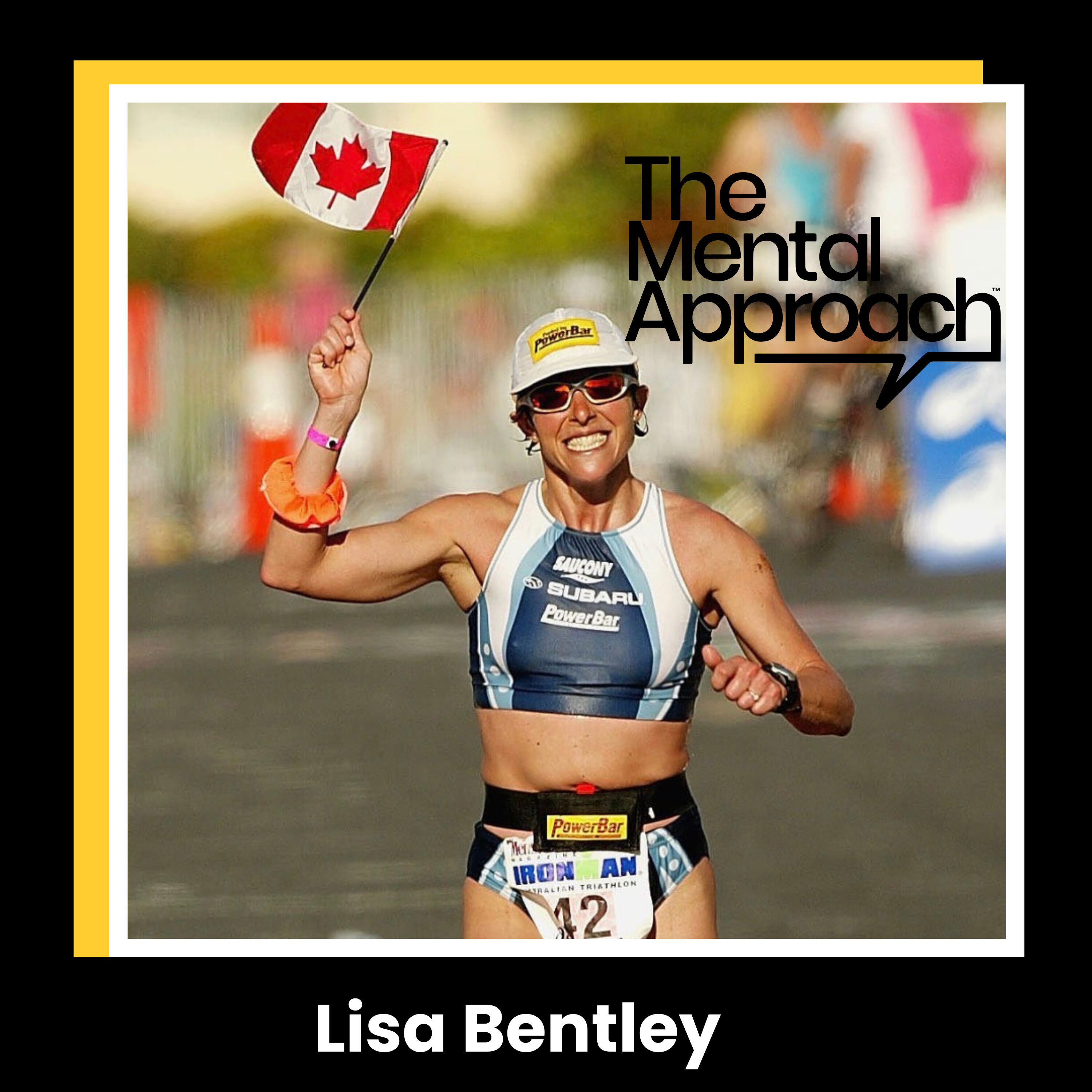
 I am joined by 11-time Ironman champion, Author of An Unlikely Champion, motivational speaker and cystic fibrosis advocate Lisa Bentley to explore what it really means to compete with heart. Lisa walks me through her journey from a self-described “chubby little girl” who was told she’d never be an athlete, to becoming one of the world’s premier endurance racers. She shares how discovering her cystic fibrosis in university reshaped her perspective, and how she turned that adversity into a superpower and a source of purpose for others. We dig into the mental side of high performance—self‑talk in the darkest miles, problem‑solving under pressure, building an ‘asset list,’ and using visualization to prepare for race day. Lisa also opens up about retirement, identity beyond sport, the importance of community, and why doing “the thing you don’t want to do” is often exactly what you need. It’s a powerful conversation about resilience, joy, and choosing to show up fully in everyday life.
See Privacy Policy at https://art19.com/privacy and California Privacy Notice at https://art19.com/privacy#do-not-sell-my-info.
Matt Cundill 00:01
This is the mental approach, where we discuss mindfulness, mental performance and the tools available for coping in a high performance world. Here's Todd Arkell,
Todd Arkell 00:11
welcome to the mental approach podcast. I'm your host. Todd Arkell, and today we have with us an absolute legend, Lisa Bentley, 11 time Iron Man champion, world class triathlete, someone who has probably redefined what it means to compete with heart and purpose. She's raised at the highest level, all while living with cystic fibrosis, turning what most of us see as a limitation into a source of strength and perspective. She's an author of a book called An unlikely champion. Lisa's stories about more than medals and finish lines. It's about belief joy and choosing to show up fully even when the odds aren't in your favor. Lisa, thanks for joining. Thank you. Good to be here. How do you how do you like people talking about you that way. Is it nice?
Speaker 1 01:03
It's, yeah, you know, it's, it's interesting, because it's like, you know, on the, on the days where you're feeling like, oh geez, I've got no purpose. And what am I good for anymore? You need some, you need that little ear in your, in your, in your head saying, Oh yeah, you know what? Like, there's some, a couple of special things that you've done before. And just to remind yourself, we all need that every single human being listening to this or out there in the world has something special about them, and we all need someone to tell us sometimes
Todd Arkell 01:31
that's 100% true. I mean, lately, my wife's been telling me that my my new beard is special. So there you go. That's good. I'm not so sure I find it special, but it is what it is. I like the compliments, though, for sure. So I mean, you've had extraordinary success in a sport that Well, personally, I'll say, I'd say most people, but I'll say I find to be unfathomably difficult. So what drew you to endurance sports? How did that start? Well, I think
Speaker 1 02:02
it's, it probably started in grade school. I was a, you know, a chubby little girl, and I didn't, I got made fun of and and I think I wanted to lose weight. And I really know, like, I just knew from my family that, you know, my mom was always on a diet of some sort that, you know, watching what I ate and exercising would be the ticket. And so basically, that's what I did, and I didn't really know much about it, you know, instead of eating three hot dogs at lunch, I ate one, and then I started running laps around the school, you know, school yard. And that's pretty much how it started. And I remember my first year running cross country. I think I was in grade six or 7567, I think I finished 101 and then the next year I finished fourth. You know, it was kind of like just an evolution. I'm not talented. I just worked hard and I wanted to do it, and so that's sort of where it began. And I had flat feet. My doctor said, You'll never be a runner with your flat feet. I remember my the track coach. I remember one day at track. I said, Oh, I'm so I feel so good to be an athlete. And he said, Oh, you're not an athlete.
Todd Arkell 03:21
And so encouraging.
Speaker 1 03:23
So I kind of had all these like things flying at me, and it was almost like, well, yes, I am, or I want to be, and I think I just wanted to be an athlete. I just wanted to be strong, and I was already an academic. I loved school. I did well in school, and it just provided this, this joy when I got rolling with it, and it just brought me tremendous amount of joy. And then, of course, as I went on to university, it was my social life, you know, I went away the university, and I was, you know, by myself. You know, I went to a to University of Waterloo. My friends didn't go there. My family wasn't there. Is the first time living away from home. And I thought, well, I should join a sports team, and then I'll have friends. And so that's kind of, you know, sports and friends and community and and then it just, you know, really grew from there. Wow.
Todd Arkell 04:16
You know, you actually gave me a flashback when you said grade six, seven cross country. Because I'm thinking back to, you know, 1213, year old me at Prince of Wales public school in Barrie, Ontario. Shout out, Prince of Wales. I was on the I was like an alternate on the cross country team, you know, you're like, I was into sports. I was on every team, you know, you're on softball, you're on this, you're on that. But I was like an alternate on this team. And I remember that day the coach come and back in that that day, you know, you lived in the neighborhood of the school you went to, right? So, you know, I went home for lunch, and so that I remember the coach coming saying, oh, so and so sick. I don't remember who it was, so and so sick. And I'm like, Oh, but I was gonna go home for lunch. He goes. He goes, No, no, we need you to run. And I go, but I haven't even eaten. He goes, I'll take. There was a Dairy Queen down the street. He goes, I'll take you to Dairy Queen and we'll get a hamburger and whatever. Okay, fine. And so went and did that, ran the race. I don't remember what I finished, but I remember I finished the race. Bent over and vomited, and I was like, you know, like, I'm like, oh my god, insanity. So that's my that's a core memory you just unlocked for me with that conversation. So not everybody's meant to be a distance runner. Maybe that's why I can't even figure out how you do this. So when, when did you find out you had cystic fibrosis?
Speaker 1 05:30
I didn't find out I had cystic fibrosis till I was in university, and which is really late. I mean, it's a genetic disease. You're diagnosed at birth, and, yeah, typically. And, you know, throughout my childhood, I was a very sick kid. I was basically be on antibiotics for most of the year. And I remember one time the pharmacist calling my mom and saying, Do you realize your daughter has been on medicine, like on and off for nine months? My mom said, Well, yeah, and it was just what was sort of normal. And it was interesting, because, you know, my mental trigger was, you know, my dad was, you know, he just had a normal job, like, no benefits, etc, and he would get paid cash at the end of the week, and he would go to the pharmacy and pick up medicine. And I remember my mom saying to my dad, most men on Friday night go to the bar with their friends, like after work, you know, you go get a drink. And she said, you go to the pharmacy and pick up medicine. And he said, Well, I'm just grateful that I have the money to do it and that, you know, that's a huge memory for me from my dad, and it's interesting because, like, years ago, he's he's passed away now for over 15 years, but years ago, when there was a blue jay contest, and this would be, like, a long time ago, they said it was a Father's Day contest. And they said, give us a Father's Day memory. And I said, that memory and I went to is That's amazing. But I said, That's my dad, you know, like, that's how I was raised. And so I'll never forget that. And so even right now, the medicine I'm on for cystic fibrosis, which is called trikafta, it's a breakthrough medicine, absolutely life changing. Like i i haven't coughed in a long time, whereas coughing was normal this, that's the way it is. Lisa coughs. I still get sick, so I still, yeah, there's still coughing there, but there's no day to day coughing. It is a miracle drug, but it's $9,000 a month. And so I don't have a drug plan, but through the government, I have a Trillium Drug Plan, and Trillium means I pay a portion of my income to get medicine. And, you know, it's, you know, it's, it's a lot of money. It's, I don't pay $9,000 a month. So I, I don't pay over $100,000 a year by any stretch. But it's certainly, you know, if I had four kids, and I had like a I was living paycheck to paycheck. It would, it would definitely make a dent. But I kind of say to myself, Well, thankfully you have the money to do that, and thankfully there's a Trillium Drug plan to allow you to get your medicine. So I just, I've learned that from my dad is Thank God,
Todd Arkell 08:20
I guess for those listening in America versus Canada, sometimes socialized health care can be of a benefit. I mean, that's a debilitating cost to have to come up with on drugs. Or maybe, if there wasn't drug plans, drugs would be more accessible and cheaper. You never know. I guess there's a chicken and egg discussion that we could have about that true. So was there, like, so how did it, you know, okay, so you're into running, you joined the sports team. So how did you all of a sudden say, I want to swim, bike and run? How did that? Was it just something? You were doing marathons, and then somebody said, Hey, you want to do this. Or how did that happen?
Speaker 1 09:01
Well, it was a runner, and, you know, through a little bit in high school, then into university, and of course, as a runner, I got injured a lot, and so I found myself resorting to cross training to keep running. So I'd ride my bike and I'd go swimming, and I do all kinds of aerobic activity to keep my fitness when I got injured, and so I was now at university, and had the influence of a lot of great people. And they said, Well, Lisa, we do triathlon, so you should do triathlon with us. And I was thinking, oh yeah, I guess I ride my bike, I swim, I could do a triathlon. And I was at University of Waterloo, which has a Co Op program, and I had just gotten into Co Op teaching, so that meant that I went to school during the summer, so then I would teach in September. So I was at on campus at University of Waterloo in the summertime, studying. And so, of course, it's summer, and triathlon is a summer sport. And so my friends said, Oh, we're going to do triathlon. Do you want to come? And I'm like, Okay. And. And so off I went and did triathlon. And I thought this is the greatest thing ever, because, like, everyone's so fit and healthy, and it's, you know, it's good, like, I'm not going to be the scrawny little runner anymore. I'm going to, like, have shoulders, and I'm going to, you know, be but strong. And I thought this is fantastic and and so I just really caught the bug, and as they continued to learn triathlon, I kept comparing myself to the people that were winning, even though one of the great things about triathlon is you race in your age group. So at the time, I was 18 to 24 so I was essentially only competing against women that were 18 to 24 but I'd always look at, well, what if I raced against everybody? How would I do? And so I started to compare myself to others, and then a couple of years later, started to race as a professional, but locally, like I wasn't traveling the world, I was just like in Ontario, racing as a professional. And then it just gradually expanded and expanded. Now this stage, I'm a teacher, I'm a full time teacher, and I was racing, and then I qualified for the Pan American Games. So now I found myself in a position where I was getting leaves of absence from teaching so I could go to these amazing events, going to World Championships. And ironically, it was my cystic fibrosis doctor that suggested I do sport full time, which I'm sure is not a conversation she has very often with patients with cystic fibrosis. But I was, you know, racing and just tired all the time and getting sick all the time, and and she said, you know, maybe you should just do sport full time for a little while, teaching will be there when you want it. And I'm okay, that's a good idea. And so I started to, you know, I started to work less, like I had different opportunities where I could teach just two classes instead of three, and take half a year off and did all this stuff, until eventually I I decided I got to see what I can do in this sport. And I resigned from full time teaching in 1999 and became a full time professional athlete,
Todd Arkell 12:01
amazing, amazing. So which I mean, obviously you started running, but which one of the disciplines challenged you the most mentally?
Speaker 1 12:11
Swimming was pretty hard. Swimming is a very much a technique sport, and I joined the swim team at University of Waterloo, and so I could become a better swimmer. And the coach laughed. He said, Lisa, you're the fittest person on the pool deck and you're the slowest swimmer on the
Todd Arkell 12:29
might have something to do with the fact you're five foot four and you don't have the wingspan of a giraffe. That's probably part of it.
Speaker 1 12:36
So I was such a fast swimmer, and so we called it the hamburger lane. That's where I was, and I was in the hamburger lane, just doing my best. And I thought, well, I just hope that it's contagious, and I learned how to get better, just because I'm surrounded by all these great swimmers. And I just tried everything to become a better swimmer. And I just, and then, you know, I once, I became a full time athlete, I was still wasn't a great swimmer by any stretch. I got, you know, some swim coaching, which helps a ton, like anyone who wants to do triathlon or as a non swimmer, get a swim coach. Because when you're in the water, you've got no sense of what you're doing. There's no There's, you know, you've no gravity, so you got no body perception. So I had a Scottish swim coach. Then I started to swim with a swim club. These are 10 year olds, and I was like 30, and I asked permission. I said, Can I make a donation to the swim club and just practice with you guys? I don't want any special treatment. Just throw me in a lane with someone I can keep up with. And so I swam with 10 year olds, and every year, they progress and move into faster lanes. And I beat, I beat the 11 year old today, but it was wonderful. And so like, I literally would go to 530 practice with, you know, 1011, year olds, and I'd swim, and then I'd blow my hair dry and go teach calculus, because I was a teacher, and I taught calculus to, you know, 1718, year olds, and that was, you know, that, and then go home and train again. That was my life for a long time. But it was, you know, pretty wonderful to have those opportunities.
Todd Arkell 14:10
Yeah, you give me visions for Seinfeld fans of the episode when Kramer was in the kids karate class. You know, the dichotomy of that. That's pretty funny. It sounds to me like everybody kept saying no, no, no to you, and you just kept saying, well, but I want to, I want to, I want to. Where do you think that comes from? I mean, I talk about mindset is, you know, there's a lot of stuff that can be learned, and there's obviously stuff that's innate, but innately, there was some sort of drive in you. Have you ever kind of been self reflective to go what pushed me to do this?
Speaker 1 14:44
I think it is innate. I think the the ability to push when you're when you shouldn't, and it's just something I wanted to do. I think I just had this aspiration of, I want to be an athlete. And maybe it was because I already had the academic thing pinned down. I was already did well at school. School, and I loved school, like I wasn't trying to fight that by any stretch, but, yeah, I just, I really think was just, was enamored with the idea of the Olympics and being an athlete and being someone strong and doing something different and like, I'm not a defiant person. I'm not someone where, if I'm told I can't do something, I just go and do it like I was an obedient kid, like I did all that good stuff, but I just wanted, I wanted it more than anything else, and so if to be told I can't, well, I'll find a way. And even now, like I forget that as a kid, I forget that I did things I shouldn't have done for the benefit of sport. But even now, when I go to physio, for example, and my physiotherapy therapist will say, you know, you got to change this and change this and change that. And I'm like, Well, what if I do this? And he's like, there's not a hack for everything, right? Like, you know, he's like, sometimes you just have to, like, take the time. And, you know, I had a stress fracture last year, and I had to go on crutches. And I've had a lot of stress fractures in my day, and I never had to go on crutches, but it was in a particular spot where I had to be non weight bearing, and I had to use crutches. And so I got these crutches, and I was just like, flying, like, once I got to a certain stage, I was like, just flying all over the show on these crutches. And, you know, my physiotherapist just laughed and said, Yep, you're just like, hacking this to death, aren't you, you know, like, I telling you you can't run, but you're basically running on crutches. And, you know, without, without hurting myself. But yeah, I mean, I still, like, I try to find a hack for everything. What's my way around this? And even, even now, when I get injured, I think, well, what can I do? Like, instead of thinking, Oh, I can't run, I think, well, I can row, I can ride, I can swim, and I just go through, what can I do in the absence of not getting to do what I love to do? So that's always, you know, sort of been my personality. Tell me I can't do this. Well, what can I do? And then I figure it out.
Todd Arkell 16:59
That's amazing. That's amazing, you know, you've talked about, I think it was in the book about, you know, you turn adversity into an advantage. How did that reframing actually happen for you?
Speaker 1 17:10
Probably, again from being told, you know, by having the adversity, I think, well, there has to be some good in it. And having cystic fibrosis, for example, you know, I really hate, hated in the past that I had cystic fibrosis, like it was something I didn't want people to know about. I didn't want to have this sob story. I didn't want to be a complainer or and have an excuse. You know, I guess I hacked it and said, Well, how can this be a good thing? How can CF be a good thing? And I started thinking, Oh, I guess, you know, people can see that health that that being active is a good thing for cystic fibrosis, it's good for your lungs. So maybe CF doesn't have to be this bad thing. It can actually be a good thing. And then when I realized that, I started thinking, Well, you know, every time I race, there's a bit of purpose in that, like, it's not just going there to win. You're not always going to win. So there has to be more to competing and and so when I reframed competing into well, just being out here might be helping someone with cystic fibrosis have a little hope. And when I switched that perspective around I found a huge amount of purpose. And so I often say to people that really cystic fibrosis became my superpower, because now, yes, it was, it's a chronic disease, and yes, it makes me sick, and yes, sometimes I can't breathe, but when I'm at my best, I can do some amazing things in sport, and that becomes a vehicle of hope for people with CF to say, hey, I can do that, or something like that, or I can at least go for a walk, or maybe if I do some sports, I'll be as healthy as she is. And mainly for parents, to be fair, you know, a child, a family, has a child with cystic fibrosis. I mean, that's a big blow, and you can get pretty sad, and then all of a sudden you hear that there's this person that does triathlon all around the world, and you go, Wow, maybe my son or daughter can do something like that. Maybe this isn't a death sentence. And so that was sort of one way I turned adversity into something good. And then as my as time went on, once you have one thing that works out, you kind of think, well, like someone, something bad happens, I think, Oh, well, there'll be something good that comes of it, like you have to. I mean, covid was like that, to be fair, when covid came and we were all staying at home, and we lost our jobs, and, you know, like, I'm a speaker, and in a heartbeat, I lost all my speaking gigs because that was the end covid, no one's gathering. So, you know, I triathlons weren't happening, so I wasn't able to do my job. There. I'm not speaking. I'm not doing that. I'm thinking, all my athletes I coach, they're going to be gone. And I just kept telling myself, okay, everything bad that happens, something good comes of it. So, yeah, you can, you can fail, or you can say, I'm going to find, I'm going to find the cream in this. I'm going to find that cherry on top. And, you know, we all did that in whatever way we did. I mean, the fact that, like I started doing speaking on Zoom, you know that? So that's offered an opportunity. We made our own triathlons. You just got together with small groups. But, you know, school became online, like we all figured out a way, and that, again, is turning adversity into great things. So we do it subconsciously, but I know that that's something that I do as often as I can. Whenever I'm hit with something, I mean, there was enough time where I was told I'm, you know, not really going to be able to run anymore. I've got so much damage now to my feet and body and I am running, but, you know, I didn't run for quite a few months, and I thought to myself, well, I guess this is I move into the next phase of my life, so I'm not going to run anymore. Well, maybe I'm going to be doing, you know, doing something else, and it'll be good for my marriage and good for my relationships and good for my community. And I just don't know what that is yet, but it'll be something I'll lose one thing, I gain something else. So that's just always been the way I've thought, yeah,
Todd Arkell 21:24
it's a good, positive way to think about life. No, no kidding, I'm thinking about how grueling an Iron Man must be. And like, how do you can you recall a race, you know, maybe there was probably more than one, but can you recall a time when your mindset mattered probably more than your physical readiness, like you were physically prepared, but your mind was going, let's cut this off.
Speaker 1 21:47
100% Hawaii Iron Man pretty much every year, but, and yet, it's my favorite race, but Hawaii Iron Man is the World Championships, and I was as prepared as possible, completely. You know, ready, fit, ready to go, and in a position to potentially win the race, like it was, you know, there's many years you're there and you're like, I'm gonna win. You're not really. But now I was like, I've raced here a bunch of times. I'm fit. I know what to expect. I figured out my nutrition. This is the year, and I had a great, you know, great swim. I held my own on the bike. I made up time on some people I in the marathon is my strength. I get into the marathon, and I'm moving up, and I'm feeling good, like everything's clicking, happy, happy runner. And by halfway in the marathon. So marathon's 42k halfway in the marathon. 21k I move into about fifth place, and I've passed the defending world champion who I knew quite well, and she had won it like, four or five times. Like, so this is a this is a big deal, like, I'm passing the world champion. And she said to me, at least if I can't win it, you go win it. And I was like, whoa. Like, here we go. So I'm running, got half a marathon to go. I get into the Energy Lab, which is this little area in the race, which is completely desolate. It should never be called the Energy Lab, because basically you run in with energy and you leave with zero, and it's just like a four kilometer stretch you run in to the ocean, you turn around, and you come back out, and when you're running in, it's magic, because it's slightly downhill and there's a breeze off the ocean. So this is about, say, 25 kilometers into the race, and I'm running into the Energy Lab, I'm in fifth place, and I'm like, having the best day, and I'm like, I'm spending my prize money, I'm buying my husband a golf membership, I'm preparing the victory speech, I'm doing it all, which is all good stuff. Like, that's not an egotistical thing. Like, I'm just in the moment, but I'm very happy, and I'm I'm optimistic, and I get into energy lab, and I turn around to come out. Now, of course, that beautiful breeze has become a tailwind, which is hot, and I'm running slightly uphill, and it's, it's 90 degrees, it's so hot I've been racing now for eight hours, and I'm coming out of the Energy Lab, and now I'm in third place. So the scenario is that first place is about six minutes up the road, and we've we've got, you know, 1010, or 11 kilometers to go. So that's manageable, like you could catch six minutes on someone, and then second, third and fourth, we are all within a meter of each other, so second place, third place, fourth place. I'm in third, and we're running, and I'm done. I am ready to drop out. I'm exhausted. I've basically run out of fuel. I'm out of energy, and I'm. Running out of the Energy Lab 10 or 11 kilometers to go having the race in my life, third place, and I just wanted to escape. And I had to go to the bathroom, which sounds like a reasonable thing to do, but you should be able to shut that out a little bit anyway. I see a portaloo, and I step off of course, and I go in the portaloo, and I say, when I talk to groups, I say, if I if someone had delivered me The Globe and Mail, I would never have left, like I was so happy and I left. And really, it's just the way we all are. We all want to escape vulnerability risk, like I was in a risk. I was in, like the pressure cooker there in third place, and I just wanted to escape. I was like, and I was tired, of course. Anyway, I get out of the portal and I'm I basically, now I'm in fourth place. I've lost about a minute, and I come out and I tell myself, Lisa, this isn't cancer. This is sport. This is sport. And you've prepared for this, and you cannot have any regrets at all, zero regrets. So if you want to stop, you go for it. But you cannot mention, you cannot talk about this. You cannot say, what if? And I told myself, you get some coke. Get some Coca Cola. Get some sugar. Get going. This isn't cancer. You've trained too hard. You love this. This is sport. Love every minute you don't get this moment back again. And I said, Do the best you can. If you can see her, you can catch it, just go. And I just ran as hard as I could. I ran as hard as I could, and I just and I got back into third place. And then we were about a mile to go to the finish line. I am just going as hard as I can, telling myself I can do anything. Anybody can do good when the going is good, a champion does good when everything is difficult, like be a champion. And just ran as hard as I could, and I ended up finishing third, which I was really happy about. But it's incredible how in just an instant your brain can go from I'm on top of the world, I'm got this, to undefeated. I'm done. I can't do this anymore. And, you know, hopefully we I mean, in that case, it was very much fuel dependent. But it's also just, I call it getting out your asset list, like, why are you going to be successful? Because I've trained, I've worked hard. I never quit. Ever, ever. I never quit. I unloved, and I just kind of went through all those things in my head and said, you know, you go, get going. This is sport. This is play. This is fun times. And off I off, I went and ended up salvaging my race. But very, very easy to have quit. Very easy.
Todd Arkell 27:39
Amazing, amazing story, I mean, and for people who are watching some of these things, going wonder what they're thinking about, Well, you got a good insight into that. There's a lot of, there's a lot of thought going on when you're out there. And I think with some of those sports, when I call, you know, the individual sport, you know, you are alone with yourself a lot.
Speaker 1 27:59
Oh, it's, it's all thinking. I mean, it's interesting, because after every race, I can remember, you know, my husband or someone saying, hey, what do you want to do tomorrow? And I'm like, I'll do anything. Just don't ask me to think. Like I can't my my brain's done so, in other words, physically, I'll come do whatever you want, but like, I cannot think anymore, because the day of the race is all thinking it is. I often say to people, the best Problem Solver wins because it's just a day of up and down. But you have to problem solve, and you have to calculate and you have to think, and you have to keep feeding yourself positive, you know, positive images. I mean, there was one race where I was quite injured, and just towards the end of my career, and I didn't, I wasn't completely prepared, because I had been injured, and the theme of my race was Terry Fox, one step at a time, one telephone pole at a time, one mile at a time. And I got in that marathon like my longest run was 18 kilometers, like I was really injured, and I was in pain the whole run. And I just kept telling myself, if an 18 year old with one leg and a very poorly fitted prosthetic can run across Canada, I can do this. And that was my thought the entire run. And I literally was saying that to myself, one step at a time, one telephone pole at a time, one mile at a time, and I completely owe my race. I ended up winning that race, and to Terry Fox, and the legend that is Terry Fox,
Todd Arkell 29:32
oh, that's I got a few little chills there. I remember him running through my town when I was a young kid, you know, absolutely. And I was going to ask, what are some of your go to self talk strategies in the toughest part of the race? Well, there, there's one. Are there? Are there other things that you kind of use just as strategies to keep yourself on track?
Speaker 1 29:54
Yeah, I'll often say to myself, I mentioned it before, anyone can do good when the going is good. And a true champion does well when, when everything gets very difficult, so be that champion. You know, find that path. You know, you have the two you know, fork in the road. Take the path that is difficult, but you know, get yourself down that path. And I often say to myself, attitude is more important than fact. Whatever fact is facing you is not as important as your attitude. So the fact is you're tired, the fact is you're hot, the fact is you want to quit. What's your attitude? There's not a chance like this is what I'm invested in. I worked so hard to be here. My attitude is, I'll be grateful for whatever I get. Just do the best you can. And you know, so those go through my head. And I also mentioned the idea of the asset list, and I used to do that before every race. I'd write down everything I had going for me, which included my workouts and included in my training, but it also included just things like, like, I said, I don't quit. I've never quit, and, you know, things like, I'm loved, I'm educated, I've got a great dream team. I've got great support behind me. And so when I'm out there and it's hard, and I'll just remember those assets, and it just gives you a little boost to keep going. So that's, you know, again, like I said, that's all the mental stuff that's going on the whole time.
Todd Arkell 31:11
Oh, incredibly, you know. I mean, I think people look at it as a hugely physical sport, but, you know, I've always felt that it's not just physical. Obviously, it's, it's, there's a lot, there's a lot going on there. Do you ever use visualization in in your training, like you're obviously trying to get physically ready, but are you, you know, how often do you use that to kind of get prepared for a race?
Speaker 1 31:34
100% visualization is number one. So basically, the week of the race, you're obviously not training very much. And so what I would do is just wake up and stay in bed an extra 30 minutes and and run through the whole race in my head. How, how are you going to feel the morning of the race when you're pumping your tires, getting your nutrition there? What kind of person do you want to be? And then see myself being that person. How about the first 100 meters of the swim. 1k into the swim, and I go through it all. And, you know, the bike course in particular, because it's, you know, sometimes technical. I'll close my eyes and I'll see myself cornering through different bits of the race, and I go through the entire marathon, and I think about how I'm going to feel. I'll see myself executing perfectly. So I'll actually visualize myself being the best swimmer, you know, I visualize myself like summer Macintosh, and I visualize myself on the bike like the best cyclists out there, and then see myself being the best runner with a great, fluid stride and and then working hard and problem solving. And I won't, it won't all just be like rosy glasses. I'll see myself having challenges and then dealing with the challenge. So visualizing, hey, what if this? What are you going to do? And then I see myself finding the success. Okay, what's the plan B? What if this happens? And there was one year where I visualized Ironman, New Zealand, and there was one woman that was, you know, really the big competitor. And my visualization was that it would take me until 40 kilometers to catch her, like she was that good, but I caught her. Every time I visualized, I caught her, and I caught her at 40 kilometers, and then I had two kilometers left to run. Well, in this particular year, I ended up catching her at 10k and so I was like, Well, what do I do now? Like, I was so caught in my visualization that I didn't know what to do for 32k and I'm like, Okay, take care of nutrition, go through every aid station, don't rush anything. But yeah, the visualization of, you know, again, we shouldn't focus on one competitor. That's the cardinal mistake of competing. Focus on the job to do. But, you know, really focusing on the process, which is always more important. Of course, I wanted to win every race I went in, but I really didn't think about winning. I thought about the process, how if I do x, y and z, then I will put myself in a position to win. I don't know what will happen on the day. I can't control other competitors, but if I do x, y and z, then then good things will come of it. And they, you know, they did for the most part. Really, I can't really say I ever had a really terrible race, except when my head wasn't into it. I mean, there was a race in California, which I really never liked. I really it was a struggle for me, like it was cold and there was no warm up in the swim, and then the bike course you could never see beforehand, which meant I couldn't really do my visualization. And it was really a hard race for me. And I it was a half Iron Man. I think I came in like fifth or sixth or seventh, but I felt pretty defeated, like it was like I didn't love it, it was hard and didn't like I was cold the whole day. So I was determined to go back have a better experience, even though I hated as a race, and I did everything possible to put myself in the right mental mindset. Like, love your competitors, love the race, love this. Like that was always my theme. If I can love it, if I can put my heart into it, I'm going to be successful. School, and I would be sitting there visualizing, and I'm like, oh, gosh, I really love this race. And, you know, I never, you know, I really didn't do great there. I mean, it's not because I didn't win. I just didn't love it. And I'd get out on the run, and I just was like, Oh, this is drudgery. Like, this is just some so cold. I can't feel my feet, I can't feel my hands. So, I mean, you can't fake it either. No, either. You know, I believe you have to love what you do, and if you don't love it, then find another race or do something different. And I can honestly say that in the most for the most of it, I loved, I loved everything I did.
Matt Cundill 35:40
Now more of the mental approach with Todd Arkell,
Todd Arkell 35:44
you're kind of known for helping other athletes during races, even when you're competing. What drives that instinct? Where do you think that came from?
Speaker 1 35:53
Well, probably my family being kind to other people and and always being helpful to other people. And, you know, I just hate to see somebody suffering when they don't need to. I remember giving one of my competitors a gel because I knew she was out of fuel, and so I gave her a gel. And I thought, well, if she beats me, like, because of a gel, then great, you know, like, that's she should, you know, I don't want to take advantage of somebody else's poor poor nutrition management. But, yeah, I think we, you know, there was a bit more kindness in the world. We'd all do a whole lot better.
Todd Arkell 36:27
That's, that's wild. I mean, yeah, most people are a little bit more ruthless when they're trying to, trying to compete. Obviously, Iron Man is technically an individual sport. You talk about it being, you know, community. Who are the key people in your sort of, we'll call it inner performance team. Who are those people that kind of are part of that team that help you put things together
Speaker 1 36:49
in the dream team, and that's also the asset is, who's in your dream team that really support you? Well, for me, it was, you know, my husband, for sure, was my biggest fan and always very supportive of what I did in the best way possible. And my physiotherapist, Steve Hill, he was with me since 1996 like through all of the events and and really wanted what was best for me, which some, not every coach is like that. He wasn't my coach, but he would say, you know, do we have more to gain than to lose? And he'd always say, Well, I want you to be able to walk when you're 80. Like I remember him saying that to me in the 1990s is it's not, you know, yeah, you can do all these things, but I really care that you're walking in 50 years. And that came, you know, his guidance helped a lot. When there was a year where my appendix burst, and I didn't know it had burst, and I raced Hawaii Ironman with a burst appendix. I did not finish, but I remember coming out of that. And he said, you know, Lisa, you were really fit for that race, but you weren't healthy. And he said, and we really need to make sure that you're fit and healthy. And if, you know, we saw had some warning signs that things weren't quite right, and we ignored them a little bit. So, you know, having that person watching my back hasn't always been important, and he still does, like even though I'm retired from sport again, have a lot of wear and tear on my body, and he, he gives me good guidance, so that, because for me right now, the most important thing is that I'm walking at 80, because I've I know that if you're not walking at 80, you're probably not going to have a great final decade of your life,
Todd Arkell 38:29
so maybe two decades. Come on. Don't sell yourself short.
Speaker 1 38:33
That's right. That's right. So yeah, Steve Hill, Dr Mark scappatic, who is my chiropractor, still see him. He's the A team. I try not to see him too much, because I have to save him for when I'm really need him. I know the feeling, yeah. So him, Dr Galia, he was my sports doctor. So he, you know, definitely gave me another two years of my career because of plasma injections. And back when I was getting plasma injections, PRP, it's called, it was very new back then, like he was on the cusp. Literally would take blood out of my arm and inject it into my Achilles tendon. There was no spinning. There was no nothing. It was like,
Todd Arkell 39:12
boom, boom, Oh, wow. There was no Yeah, spinning the platelets and all that stuff. Yeah.
Speaker 1 39:15
It was early, early days. And I remember going to his office and him saying, Hey, I got this thing that spins it and then we just put the plasma in. It'd be way less painful. It wasn't any less painful, by the way. But anyway, he so we would do that like almost every week. So he was my sports doctor, and really, truly, I think I got another two years out of my career thanks to his innovations and Dr Aaron Boynton, she was another sports doctor that probably extended those two years as well. So lots of people, like, honestly, it just, it's not something that you do alone and and, and I still, you know, reach out to those people today to keep me moving. That's for sure.
Todd Arkell 39:54
Yeah, you talked about, you know, retirement. And, you know, a lot. Of athletes struggle with identity when they retire from competition, like, who am I now and what, what kind of helped you make that transition to being, you know, full time athlete to regular, regular.
Speaker 1 40:16
Lisa, yeah, it is hard. I mean, I think the immediate transition wasn't terrible, because I had things in place. I was already doing a bit of coaching. I was already doing a bit of speaking. I had done all my own sponsorship as an athlete, and so I started to do that sponsorship for races in Ontario and for Iron Man. So I had things to evolve into. And I also got quite sick. I had, you know, a really bad cystic fibrosis episode, so I had to be in the hospital. I was on intravenous and it was a long process to get healthy again. So I had that happening. So the, you know, within the first five years, it wasn't terrible at all, like I had lots to do, and I was still very involved with the sport, I'd say it's probably more difficult now that I've been removed for 15 years, because I'm, you know, a bit more irrelevant. You know, I'm the old girl. There's other people that are younger, that have retired, so they're, you know, the hot commodity, whereas I was the hot commodity when I first retired, doing television commentary, etc. Now we still do get to do television commentary, but, yeah, it's hard because, you know, I'm used to, I'm used to people cheering, you know, you know, several times a year while I run down a finishing shoot. I'm used to people inviting me places and to do races like, it's hard, it's hard to fill that void. So I think what I do do is I remind myself sometimes because I get bored, and I think, what am I going to do? What's next? Like, that's a driven personality. So I accept that that's my personality and that maybe I have to, like, calm that down a little bit. Is that I don't always have to be changing the world. I don't always have to be innovating. I don't always have to be on the cusp or the star or this. So I I have to remind myself of that sometimes, because I'll think I'd have no purpose. There's no point. What's What am I doing? So there are constant reminders that I give myself that, you know, Lisa, it's not a lot that can compete with cross and finish line first. Like there's, don't really know if there's anything that's right up there with that. So accept that things are different now and now. The greatest days might just be when you go for a jog with your dog, and it's true. Like, I have to say, some of my greatest joys are running 30 minutes with my my dog, and I'm so happy and so free, and that's a huge privilege, and I have to remind myself of that, but I am always looking for the next project, like, what can I do next? But yeah, so I temper it
Todd Arkell 42:53
incredible for you, to refocus it. You reminded me. I saw an interview recently with Kevin Bacon, and somebody asked the question, you know, like, what's it like being so recognizable? Because he's one of those ones that are recognizable. And he says, Well, I had this prosthetic makeup made up, and I put it on and I I went out to the grove in California. And I don't know if you've been to the grove in California, I have it's where you want to go if you want attention as a celebrity, like, it's like tons of paparazzi and all this other stuff. He goes, and I walked through the grove and nobody recognized me. And then the next question was, how was it he goes, it was horrible, right? So it's this whole like, yeah, oh, you don't like being recognized, or you don't, you know, all that stuff, but then you realize when it's gone away, maybe doesn't feel as good.
Speaker 1 43:46
No, there's no question. But I also remember when I was racing and I'd had tons of attention and people wanting autographs, and, you know, all that great stuff, and I'd be really tired, like, I'd be like, Oh my gosh. And my husband said, One day no one will want your autograph, Lisa, so just enjoy it. Wise Man. And, yeah, he's very, very wise. And you know, the other wise thing he said to me was I'd get, like, little notes that said, Will you send me an autographed picture in the mail? And, you know, sometimes it got to be like, Oh, okay, yeah, okay, here we go. And Dave said, You do everyone. My husband's name is Dave. And he said, you you do everyone. I said, Of course, I'm going to do it, Dave. But like, I mean, I just not right now. And he's like, I wrote to Bob your when I was 10, and I said that I wanted an autograph card. And he said, In one day the mailman came, and there was like, a little letter to me. And he said, What 10 year old gets mail? Nobody. 10 year old never gets mail. And I think at the time he, I don't know where he sent it to. He's like Bobby or very sound, whatever team it was, like wherever. And doesn't he get a note back? And it's a Bobby or sign card, and it made his world. So he's. Said, he said that to me when I was in the midst of my career. He says, You never let an email go by and an opportunity to sign something for somebody like, okay, he'll do it.
Todd Arkell 45:10
There you go. It's funny, I do have, it's not on camera, but I look over my show, I have a Bobby or signed, signed picture from him with the goal, I bet you back in the day too, though, you could have just wrote Bobby or Parry Sound Ontario and the postal code and the local postman would Oh, I know where he lives.
Speaker 1 45:30
I swear. I think it's what he did. Or did he play for ball? He played for
Todd Arkell 45:32
Boston. He did play for Boston. Yeah. Okay, so
Speaker 1 45:35
now I'm remembering it is he wrote Bobby or Boston gardens Boston, because I remember Boston gardens,
Todd Arkell 45:47
you know what, and you know what, I don't disagree with that. I mean, it's funny. I i When I was kind of when I was a teenager, I came across a book in a library. It was called who is, and it was this book, and it had all these addresses for like, celebrities or athletes or whatever. And I was like, This is really weird. And I was like, I don't even know I found this book, but I go, Oh, that's kind of cool. And, you know, it wasn't internet days and it so, you okay, didn't have a phone to take a picture of these things. So I'd sit there and I'd write to, oh, that's Oh, that's cool. I'd write down, like, the name and address or whatever. And I started writing letters, going, hey, you know, fan or whatever. And, you know, I started to get the first one I got back was from Sparky Anderson, who was the manager of the Detroit Tigers, who I'm a huge Detroit sport fan. And I was like, Oh, so cool. And, you know, people, you know, company, obviously, there's lots of stuff behind me and all these things on the walls, and a lot of the stuff that's there was just me randomly sending out letters that, you know, over my there's a John Madden over my shoulder. I was into broadcasting in university, and so I wrote to all kinds of broadcasters, and they signed me pictures and sent me letters. Dick emberg sent me a letter about his whole journey on how he got into broadcasting. So, yeah. I mean, people take the time to respond, and I wonder how much of that still goes on now, but it was encouraging. Yes, yeah, wonderful. I mean, I have a signed picture of OJ Simpson, which is in itself, hysterical, right, like, given everything that happened? Yeah, it's just like, you know, Tom Selleck, Robin Williams, just all these random things. And people like, where did you get that? And I go, I wrote him a letter that he they somebody wrote back. And maybe, maybe they hired somebody to sign all those pictures. I have no idea, but it's amazing. Is still, you know, you're right. I think if you have, you know, it is a, I guess it is. I can say it's a responsibility, but, you know, in a lot of ways, if somebody looks up to you, you are a role model, regardless whether you think you're a role role model or not, right?
Speaker 1 47:52
Yes, yeah. 100% Yeah. I don't think it happens anymore. I don't think people do it. I think people are less and incredible. Because I feel like our world is more accessible. You know, podcasting allows that. I mean, you become friends with you hear them in your ears, yeah. Like, I think I'm a friend of Scott Galloway, Professor. Galloway, right? He doesn't know who I am,
Todd Arkell 48:12
yes, but he's incredibly articulate and easy to listen to, isn't he incredible?
Speaker 1 48:17
Tim Ferriss, like, we should be friends and and and then you read. I mean, I haven't reached out to Professor G but I mean, probably five years ago, maybe seven years ago, I sent a note to Tim Ferriss, thinking, I need to get on this podcast. You know, I need to, he needs to read my book. And, you know, you hear nothing back, and it kind of guts you you know, that's seven years ago. I know he's super popular now, but I mean, I was on the cusp of it seven years ago, and it's like, yeah, okay, you're a bit of a phony, because you're very, very nice on the podcast, but you're not very, very nice. Get back to me.
Todd Arkell 48:51
The title of this podcast is Lisa calls out. Tim Ferriss, no, I'm kidding, but yeah, no, you're 100% right. You know, what's been, really, I, you know, share a little anecdote. Literally, when I started this was with an idea, because I saw this gap. I've got young athletes, but I've also been around a lot of athletes. I coached whatever I know. I have some transferable skills. I was a broadcast journalism student, all these other things, and I was, you know, like I kicked it around, but just the idea, I saw this gap between everybody's skill training and nobody's training their brain or their nobody's training understanding, you know, the things that are behind the sport so much, the mental part of it, and how you kind of navigate that. And I go, okay, so I had a I had a URL. I had, you know, that I'd parked for seven years. I knew what I wanted it to be, but I didn't really know what it was. And I just started reaching out to people. Hi, I have a podcast. Didn't have a podcast. I was, yes, I sort of did, but I hadn't recorded an episode. Nobody said no, not a single. Single and these were not just like random people. They were people that some people would know. And I was it was incredibly encouraging to me that other people saw the mission that I was trying to present, right, that it was also a shared mission, and it was amazing. And I've had one or two that have said no, and I I'm, you know, it's okay. I've had some that ignored me a couple along the way, and I was like, That's really interesting. But it what's fascinating is I had one the other day where somebody goes, Hey, you know what? I'm really busy. I'm really focused on this, but I love your show, and at some point, let's do it. And I wanted to write back, that's the best no I've ever had. Like that was such a nice way of saying, Yeah, I'm not interested. But, and it's probably factual, and I will follow up, and they will be a guest, and I'll tell them this funny story at the time. But it is, it is interesting. And I think, you know, people reach out to me. I had a 15 year old kid send me a message on social medias and go, I think I should be a guest on your podcast. And I thought, oh, boy, what am I going to do with that? And so I just said, Okay, why do you think you should be a guest on my podcast? And he listed off all these reasons, and I said, Okay, fair enough. I said, That's not totally the focus of what I'm doing. I said, but I have, because I had recently had an episode out where I had a couple young athletes with a coach, and so I kind of okay, I see where this is going. I said, All right, I'll tell you what. I'm gonna save your name, and if I have an opportunity where I'm involving that with your sport, I'll reach out to you, because I figure that took a lot of, a lot of guts to just or maybe it didn't just to send me a message and go, I want, I want you to talk about me, or I want to talk to you. And I thought, Okay, well, let's maybe figure that out at some point.
Speaker 1 51:56
Right? That's amazing. That's amazing. And I mean, that kid's gonna just, like, he's, you know, our next prime minister, right? Like, you just don't even know, well, he's got gumption.
Todd Arkell 52:06
I know I'm going 100% I mean, most people would go, I'm not gonna buy and he's like, I think I should be a guest on your show. And I loved it. I was like, at first, I was like, Oh, hmm, how do I, you know, I had to think about it for a minute. Like, how you're gonna deal with that? And then I was like, no, no, no. Like, this is totally this is, you think about me writing a letter or you reaching, you know, like it, we're all human beings. I'll put our pants on the same way, one leg at a time. And why not, you know. And I, I'm also a big believer in what is, what is this moment or opportunity being presented, presented to me for Is there something for me to learn? Is there something for me to grow? Is it, you know, I don't know what. How does it fit into my journey? I'm sometimes maybe a little too conscious of but I'm trying to be open. Why did this person come into my life. Why did this happen? Yes, you know, like, and not that I need to know, but I just, I'm trying to be cognizant or open to what maybe is going on.
Speaker 1 53:09
Yeah, 100% there's a reason for everything, and we don't know what it is necessarily, but there is a plan.
Todd Arkell 53:15
Yeah, well, like you said, one door is going to close, okay, something's gonna happen. I know what that, you know, like, whatever it is, right? So these, these, these things are doing. I think I talked to a couple kids the other night. I was at this event, and there was a couple of young kids, and it was a, you know, there's alcohol being served. They look 12 to me. They were both of age. They were both university students. And I said, I started laughing. I go, do you guys have fake IDs, or are you of age? And they're like, Oh, I'm 19. Oh. And I go, man, everybody looks so young now that I'm old, and we're talking. And I go, Well, I go to this university, and the other kid goes, well, I go to the same university, but I'm quitting tomorrow. And I go, you're dropping out of school. Well, what are you going to do? And then he can, oh, well, you know, he goes, it's not for me. He goes, I'm gonna I've got a job lined up, but I want to go into trades, and I want to do this. I want to do that. I said, That's amazing, right? I said, You know what? I can tell you, my entire career in life has been one. I'll call it happy accident, but it's like how things kind of transpired for me were not how I had assumed they would, or what happened in my career, and different things I did led me to the next challenge and the next thing, right? So I think it's awesome that you recognize, like four months in or three months, and that's it. Pull the chute onto the next right. I go. That's almost more bold than somebody going for four years and being miserable.
Speaker 1 54:45
Yes, that happens. It took a lot of courage, for sure, 100%
Todd Arkell 54:48
so if you're out there, Marcus, good luck. Godspeed, if you're listening, I have no idea. So I want to talk about the book. How did you know writing the book? How did that kind of in. And probably dovetailed to, obviously, public speaking and different things like, how did that sort of transform your mission?
Speaker 1 55:06
It was into really interesting I had was invited to speak at this event called the Titan Summit, and the leader of that is Robin Sharma, and we, I was, it was in Switzerland, and I was one of the speakers. They had a lot of incredible people there, and it's a workshop basically for really high performers, CEOs, etc. And so he's delivering his message. And I was like, Oh, well, yeah, I do that, and gotta do that. And he's like, basically, he's giving him sort of like, the list of how to be a great CEO. And I was like, Oh, I do that. But I just never realized that I was doing all these things that would make a great CEO, but it made me a great athlete, and it's completely transferable. And so I'd always been asked a lot, have you written a book? Have you written a book? Have you written a book? And it was like, no, no, no, no. And then I I thought, Okay, well, and all the speakers at the Titan summit had a book, and I didn't have a book, so I was like, Okay, I gotta, I gotta write a book, and I didn't want it to be a memoir, but I thought, I want to take all of my learnings as an athlete and put them into a constructive manual, but a story to help people become fulfilled. Basically, it's a fulfillment resource, and so I share the tactics and strategies that I used when I was racing and training and with the reader, so that they can use those tactics and strategies in their day to day life. Of course, I use the examples of my racing because that's where I used it. So, you know, of course, it tells a bit of my story. But it, of course, it does, but it's not a book about triathlon, it's not a book about cystic fibrosis, it's a book about being the best you can be with your deck of cards, and how to do that. And so it was. It was really neat when I, when I started to write it, I, I, you know, had all my training logs, all my journals, and I just went page by page, like, what was really neat when I was racing, because I forgot some of it and some of those stories, and I thought, Oh yeah, that was a real pivotal moment in my career, and something I probably took for granted at the time. But it's really a pivotal moment. Could be a very learning moment for someone in their life right now that reads that. So that's how it came to be. And I mean, I just loved, loved, loved writing it, and I've actually been reminding myself that I need to reread it. I just mailed a book. I had a book order from Germany, and I just mailed a book to Germany, and I thought, wow, like, I'm so honored and privileged that someone in Germany is going to read this and and I, and I often think to myself, I need to read my own book. Sometimes, whenever I feel like a like, I don't have purpose, it's like, okay, well, maybe this will spark something in your head. But, yeah, no, I love my I love my little book. So for
Todd Arkell 57:58
people who don't consider themselves athletes, who might be listening, you know, what sort of mindset principle from your racing career could they use to help transform their mindset, even though they're not doing a sport
Speaker 1 58:15
really finding goodness and adversity? I think it's one of the most important things you can do, is, is, yeah, sometimes things happen and it's a challenge, but we need to find the good in everything, and finding a way to be a champion no matter what. So you get some bad news, and you go, Okay, well, what can I do? Just don't think about what you can't do. Think about what you can do, and then, and then run with it. Learn as much as you can never stop learning. But, you know, finding that fulfillment in in in the adversity. I mean, I think it's one of the like, really, it's one of the easiest ways to feel good about yourself, is when you get like, hit with something like, whenever someone tells me they're bad news, the first thing I do is think about how you can deal with it, and it's a bit of a curse for me, because, like, I'll lose sleep over it thinking how to fix I got to fix this. I got I'm a fixer, for sure, but, you know, someone will have some sort of adversity, and I think, well, this is what you do. This is what you need to do. And I want to solve everybody's problems, but the person on the other end has to want to solve it too, and that's something that I often have to learn, is that some people, it's not that they want to have this adversity, but they sometimes can't get out of it, even though they have some guidance to get out of it. But we have though, you know, I My goal is to share those tactics and strategies to get out of it, and to find, you know, to find their joy, to find their purpose and and so that's really and we can, we can all do it. And it sometimes, in the our darkest moments that the best things in the whole wide world come out.
Todd Arkell 59:57
Yeah, I would, I would agree with that. I. So what's a book that you'd recommend? You can recommend your own. But is there any other book outside of your own?
Speaker 1 1:00:06
Well, of course, my book is amazing. I mean, I love Tim Ferriss book, The Tools of Titans. I have I used to read it like frequently. I've read it several times because there's, like, little stories there of people who have done some incredible things. So I think that's an amazing book. I love the book Who Moved My Cheese. Have you ever heard of
Todd Arkell 1:00:26
that my cheese? I read it, but it was so long ago.
Speaker 1 1:00:30
It's like, such an easy read. You can read it again in 60 minutes. And, I mean, I've read it again this summer and and it's just like, it's the way we all get so used to routine, and we do the same thing. It's almost like you continue to hit yourself and your knee even though it doesn't help anymore, and you just keep doing it. So, you know, we just get into ruts, and even though they don't make us happy, we keep continuing. But we got to take a chance and find cheese somewhere else. So I love that book Who Moved My Cheese, and I love the books by Derek Sivers. Oh, boy, it's probably on my shelf. I look over at my shelf here, but it's a hell yes or no, hell no or yes. The his books. He has some books like that, so some entrepreneurial books or again, read them multiple, multiple times. But basically he just things that, like, either you're all in or you're not, and just kind of like, it just tweaks your brain a little bit. So those are some books that I really love. Yeah.
Todd Arkell 1:01:30
I mean, I heard, you know, it's kind of funny. I joke about this probably in several, maybe way too many episodes. But kids read some books. Get off your phone. Read some books. I think, well, you know, when I think about it, like you talked about being at this conference, and you know, when I read different things, or whatever it is, and I could probably read more, there's no question about it, but you'll you take something away, or you discover something about yourself, like you mentioned, oh, I do that. I do this. I do Oh, my God, I could do, you know, and I think it's like somebody else's perspective can certainly be additive to your life in reading that. And I'll give you one if you haven't read it, the energy bus, which I think is a very interesting one, where, you know, you can either add to the energy or you can take away from it. But it's, it's a rather interesting story, and again, easy read, but that's it. I think, you know, like, I do believe that we get away from that a lot more. You know, our lifetime of learning for younger generation, I'm not preaching against you young athletes who are listening, but it's like, it is the well, I sold out on tick tock, or that was on Instagram or whatever. And it's like, Okay, that's cool. Now, go deeper. Yeah, exactly right. Go, find what's behind that. Go, go. You know, read a few articles. You know, ask Siri to look up some for, I don't know, whatever, right? But it's like, you know, that's what, I think, that's what. The one thing that I think, you know, we talked about a lifelong learning I do, do get kind of preachy about it is that I think we can take little things, you know, like from somebody's story, and say, Oh, my God, I could totally put that into action. And that would be, I've been looking for a solution for that for so long. I never even thought about that, right? So it just kind of helps and helps along the way. So what's the best piece of advice somebody ever gave you?
Speaker 1 1:03:23
The difference between being fit and being healthy? For me, fitness has always been health, but sometimes it's not, you know, going out for a two hour run probably is going to make me fit, but it might not make me healthy. So that that balance between fit and healthy, for sure, is something that's pretty important.
Todd Arkell 1:03:43
What would you what advice would you give 14 year old Lisa?
Speaker 1 1:03:48
Wear sunscreen? That's the funny one. But the advice I give to 14 year old Lisa would be to surround yourself with people that care about you and care about yourself. Be your own biggest fan. And really, you know, it's really easy to say, love yourself like that's we all talk about self care and loving yourself and all that, but really being kind to yourself, and that means, if you're around people that don't make you feel good about yourself. Find a new group. Find people that make you make you feel good about yourself, where you're not trying to prove something, or you're not trying to be somebody you're not. And, you know, be around those people where you leave and you go, gosh, like, I'm really, like, I feel I feel good about myself. And, yeah, we don't need to be around people that don't do that. And, I mean, it's not easy anymore people. I mean, I love schmerconish. He's, he has a mingle project, and he's, he's completely bang on. We need to mingle more. We need to get out more. We need to be around people. And I find myself, you know, covid was really bad. Bad for us. It was really bad. I mean, I'm the queen of routine. You know, I could sit on my bike for six hours. I can go for three hour runs. I can go up and down a pool for hours. So you stick me in my house during covid or not seeing people, I can get into that routine very easily and not want to go out. And is not good for any of us, we need to get out. We need to take a chance. We need to get out of our comfort zone. And I guess that's my advice. Get out of your comfort zone. Do do the thing you don't want to do, because chances are it's the thing you need to do. So I that's probably the big, big advice.
Todd Arkell 1:05:36
Yeah, no. 100% and I do. I think of all age groups. Everybody was affected in one way or another by that. We'll call it the pause, because it felt like we were on this giant, never ending pause, and it was never going to end. And you're right. It does create different routines for people. I think it's driven people to be more insular, to be more focused on the virtual world than the real world. And yeah, I mean, I'm forward. I mean, I I got asked to go to an event last Saturday night, and I was like, I don't really want to go out. But it was even like, at three o'clock, Hey, come here. At three o'clock, have some beers, have some adult I was like, Yeah, all right, okay, I'll stop by. Well, at 930 I'm calling my wife, going, Hey, you better come pick me up, or I might be here till midnight. And it's like a local Legion in the for those of you know, the Legion is, you know, like, but there was over 200 people there. And I was like, I was flat. I was like, flabbergasted. I'm looking around the room, going, well, people are playing live music. Guys are coming in with guitars and girls and whatever, they're getting up on stage, kind of almost like an open mic. And I was like, wow, there's like, local restaurants and bars that would die to have this many people in them right now. But I was like, so, like, enthralled. I was like, that's incredible. Like, I can't believe there, if I'm sitting in my house, which is two kilometers away, or what is that 3.4 miles America, like, I don't know. Like, I was, like, I wouldn't even have known this was going on. And so,
Speaker 1 1:07:10
yeah, we need to do that. We need it's good for ourselves. So, yeah, do the thing you don't want to do.
Todd Arkell 1:07:16
I felt great the next day, other than, you know, the self care routine that wasn't the best, but I felt the next day, I was like, Oh, that was fun. I should do that more often. You know, Lisa, I so appreciate your time. Thank you so much for your perspective. People read the book, read the book, and then she's got to write another one. Thank you so much. Thank you.
Matt Cundill 1:07:38
Thanks for listening, for more, including resources and more about the show. Go to the mental approach.com A production of the sound off media company you.

