Salsa, Strategy, & Community: Growing a Multi‑City Festival Brand


 RSS Feed
 Our hearts are with everyone affected by the tragic events at the Salsa on St. Clair Festival.
We are deeply saddened by the loss of life and the injuries sustained, and we extend our heartfelt condolences to the families, friends and loved ones of those affected. Our thoughts are also with everyone in attendance, the festival organizers, volunteers, performers, vendors, and the first responders who responded so quickly and professionally.
Festivals are places where communities come together to celebrate culture, friendship and connection. This tragedy is felt across Ontario's tourism and events community.
On behalf of Tourism Industry Association of Ontario, we stand with the Salsa on St. Clair team and the entire community during this incredibly difficult time.
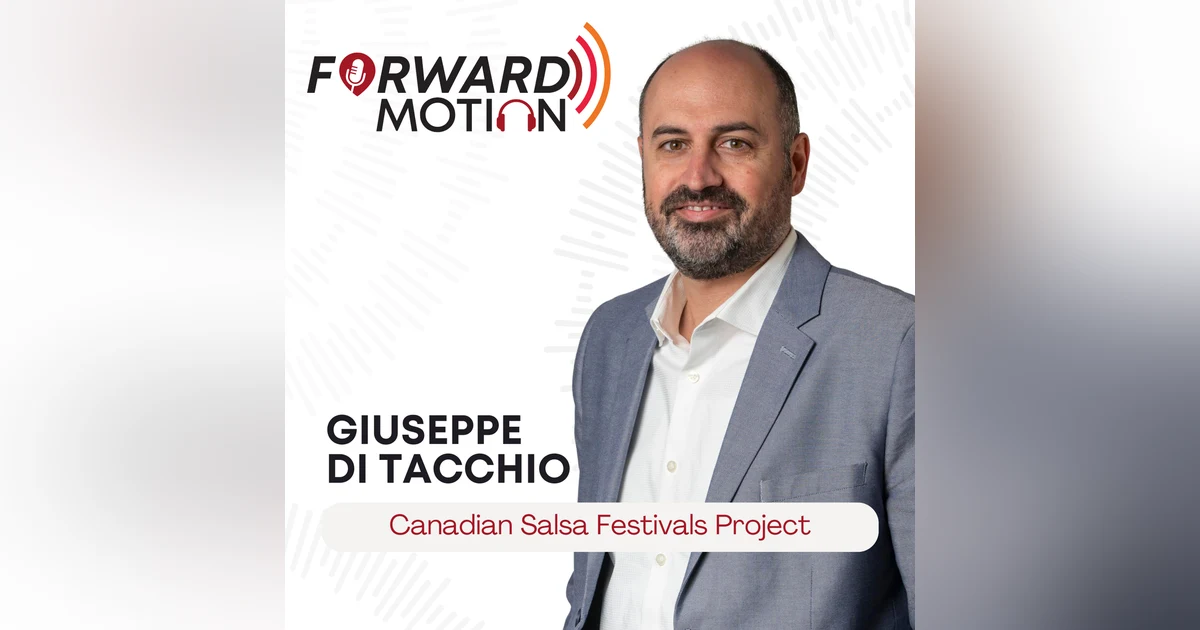
The episode explores the evolution of Salsa on St. Clair into a multi‑destination tourism platform. Host Andrew Siegwart speaks with Giuseppe Di Tacchio of the Canadian Salsa Festivals Project about the festival’s origins, strategy, and expansion. Giuseppe recounts how the event began in 2005 to help St. Clair retailers recover from TTC construction, quickly growing from a half‑day community initiative into a full weekend and an anchor cultural brand. He explains the move to a not‑for‑profit structure to better align sponsorships and partners, and outlines expansion to Blue Mountain, Mont‑Tremblant and a new Niagara Falls edition designed to boost shoulder‑season visitation.
Andrew and Giuseppe highlight success factors—authentic Hispanic programming, strong media partnerships for promotion, careful timing, and protecting the core free street festival—while acknowledging challenges like long vendor lines, the difficulty of ticketed add‑ons, funding pressures, and the need for municipal and provincial promotion. Giuseppe calls for greater integration of festivals into broader tourism marketing to amplify economic and community benefits, emphasizing partnerships and data‑driven promotion as keys to sustainable growth.
Forward Motion thanks its partners for their support of this show:
Ontario Travel & Tourism Monthly
See Privacy Policy at https://art19.com/privacy and California Privacy Notice at https://art19.com/privacy#do-not-sell-my-info.
Mary Anne Ivison 0:00
This is Forward Motion discussions about the important topic shaping Ontario's tourism industry. Here's your host, Andrew Siegwart.
Andrew Siegwart 0:09
Festivals are a vital part of Ontario's visitor economy. They create reasons to travel, support local businesses, and bring culture and community to life. But it's also a challenging time for the sector, with rising costs, changing expectations, and growing pressure to adapt, today's guest brings a unique perspective on that challenge. Giuseppe Ditaccio is Vice President of Operations at TLN Media Group and President of the Board of the Canadian Salsa Festivals Project, whose festival series now extends across Toronto, Blue Mountain, Montrembois, and a new stop in Niagara Falls later this summer, we're going to explore what that journey can teach us about innovation, changing audiences, and the future of festivals. Giuseppe, thanks for joining us. Welcome to the Forward Motion Podcast.
Giuseppe Di Tacchio 0:56
It's a pleasure. Thank you for having me.
Andrew Siegwart 0:57
I thought we could just jump right into it, and I wanted to start by asking you a bit about your two roles, so you play a role with the TLN Media Group and also the Canadian Salsa Festivals Project, which now produces the events. So I'm wondering, can you tell us a bit about how that journey evolved from TLN's role helping launch the festival series to the creation of the Canadian Salsa Festivals Project as a dedicated not-for-profit producer,
Giuseppe Di Tacchio 1:21
yeah, so basically TLN Media Group, as the founder of the Salsa Festival series, it started Salsa on St. Clair in 2005 but TLN was producing community events going way back to 1984 at its inception as a national broadcaster across Canada, so you know the experience and the understanding and the knowledge of events has always been there with TLN, and as we fast forward to 2015 during the Toronto Pan Am Games, when Toronto was hosting it, South San Claire was considered one of the legacy events for that event, the Pan Am Games, and through that with the City of Toronto, we transitioned into South Central, a bigger brand, so to speak, an umbrella brand, similar to what you see with Pride and Caribbean Carnival, where there's, you know, an umbrella organization, and there's all kinds of, you know, events that, you know, correspond to that festival, and there was always an anchor event that ties everything together, and that anchor event for us was South San Claire. It started as a one and a half day festival. We did a half day on Friday, and then we did a full day on the Saturday, not knowing what to expect. It was our, it was the first venture into street festivals at the time, and you know, from day one that first year, the city and all of our providers and partners, they were like, there's no way you're doing all this work for a half day on the Friday, and we're moving you to a full weekend festival come year two. So that's exactly what happened. And from that year on, you know, it's been progress ever since, and you know we've been growing to new locations now in the more recent years.
Andrew Siegwart 2:57
The Pan Am Games, a large sporting event, high profile, was a bit of a catalyst for that festival to get more recognition, and then, and be recognized for being highlighted as one of the demand drivers of the Toronto festival circuit. I guess I think the correlation was that from the Panhand Games, I believe there's something like 21 Spanish-speaking countries, and it aligned well with the genre of salsa and the Hispanic community festival that we do, so that's why there was that synergy to see that event that had the potential to grow even more. It also draws a really nice parallel to how sporting events, you know, with the FIFA World Cup 2026 on our all our minds, that sporting events, how that can relate to cultural events and how they can kind of grow together or build off of each other, that's that's really an insightful, insightful learning. Tell me, we're looking at the media organization sort of creating a new not-for-profit. Was there a problem you were trying to solve at that point, or was it was it really just around finding the right kind of corporate structure for the event to grow.
Giuseppe Di Tacchio 4:03
Yeah, I think it was about the corporate structure and finding how we fit into the festival and event landscape, and how we could, you know, grow with partners that I think required that type of structure, with, you know, partnering with a not-for-profit as opposed to a media agency or, you know, a broadcaster. So, yeah, I think it was really just about aligning ourselves so that way we were positioned properly to grow.
Andrew Siegwart 4:26
Did it give you the opportunity to expand your partnerships and sponsorships and visibility?
Giuseppe Di Tacchio 4:31
Yeah, for sure it did. And that's that's what has allowed us to grow since 2005
Andrew Siegwart 4:36
That's amazing. Looking to the salsa festival series itself, I want to explore a little bit about where it came from and how it's evolved, and you've alluded to it already, but for those listening who maybe have never attended, who you, which you really should tell us, where did the festival begin, and what was the experience all about at the beginning?
Giuseppe Di Tacchio 4:55
So, I mean, the underlying reason for salsa on St. Clair really. Was about attracting people to a destination, so it's always had some form of tourism component and drive, and the reason why it started in 2005 was there was the TTC streetcar construction down on St. Clair Avenue West between Winona and Christie, and it caused a lot of destruction to the local retailers, and during that time, you know, what, there was a big transition where a lot of them were going out of business, so at the time TLN Media Group, together with the City of Toronto, together with the local councilor, Joe Mahavik, and the Hillcrest Village BIA, they came together to say, "Hey, let's do this community event, this street festival that's that's tied to the salsa genre, celebrating Hispanic culture, and it was a transition for TLN from previous partnerships, where they were working with Canada's Wonderland and Ontario Place. So, this was kind of a new venture into street festivals, and, and that's where it began, really. It was about helping the local retailers in the BIA, while celebrating culture, and it was this new birth of a brand, really, that did more than just, you know, bring people to a certain area, and you know, help them out and grow their businesses, because we've seen that in that BIA as well, and it was about bringing people to Toronto, bringing people from outside the GTA into this space that they would never come to, really, and they experience something that they would not experience anywhere else, and that's that's what has created this brand at this point, which is a salsa festival brand that you know keeps going and seems to find its success.
Andrew Siegwart 6:31
Yeah, and expanding. I love the fact that there was a catalyst, and that was a place-based problem and a challenge, and therefore what happened was many different stakeholders, the municipality, TLN, and the BIA came up with an arts and culture response, and I think that's very telling, and an opportunity for us in thinking about the growth of festivals going forward. I didn't know that origin story, but I remember very deeply how difficult it was for the merchants on St. Clair to deal with that long-term construction project, and it was a challenge. Tell me, was there a was there a Latino culture history or dance culture history in that neighborhood that brought that together, or did you really just see that as an opportunity to link your the BIA and what the TLN was all about?
Giuseppe Di Tacchio 7:20
Yeah, there wasn't at that time. The Hispanic, Spanish-speaking audience was growing back in 2005 is now the number 1/3 language spoken in Canada. So, it has evolved and has grown over the years, but that area specifically was not. But what we like to brag about is that BIA between Winona and Christie, I mean, it's grown itself, and that's because of the partnership that we've had. So, if you look at the BIA going to the east and the BIA going to the west, I mean, they're almost non-existent, unfortunately, you know. And this BIA that sits in the middle has grown - there's beautiful light poles, there's beautiful flowers, landscape art scapes, graffiti, murals - it's incredible. So, we've seen that BA grow,
Andrew Siegwart 8:04
yeah, less closed doors and for rent signs and more engagement, and no doubt. Would you think that was a factor in its sort of resilience as it probably dealt with things like the pandemic and other things?
Giuseppe Di Tacchio 8:17
Yeah, for sure. I think part of the brand of getting recognition to that area was because of the festival, and they were able to thrive and, and grow, and there's, you know, great restaurants. I think one or two of them were Michelin rated, so yeah, it's just it's one of those little hubs that you wonder, how did this become, and I think the salsa festival has a big part in that.
Andrew Siegwart 8:36
What do you think about that? What do you think resonated about that collaboration that gave it staying power after year one.
Giuseppe Di Tacchio 8:42
I think it was the experience that people were, you know, experiencing, for lack of better words, when they came. You know, when you come to a festival, and you know there's tons of them, and you know we can determine whether a festival is community-based, and it has its, you know, roots in the community, and is meant for the community, and that's those are great festivals. There's nothing wrong with them. And then there's, I would say, there's another echelon of tears that some of the festivals allow to, you know, promote themselves and brag themselves about, and that's specifically, you know, where people are coming to experience something greater than just for a walk, because there's no cars on the street and getting some skewers, so when what we like to say is when the participants become the show and they're coming to dance, it changes the dynamic of the festival and the experience to something bigger than just the community event,
Andrew Siegwart 9:36
that makes a lot of sense, and no doubt that first year people saw something so new and different, and it was captivating.
Giuseppe Di Tacchio 9:42
Yeah, it wasn't something that we were really familiar with in North America. Meanwhile, you know, you close the street down, you have people dancing in the streets all over the place. In South America and Europe, it's very common, but yet here in Canada, let's say, and in Toronto specifically, you know, it was.. it was not something that was very. Be common at the time, so it's good that you know, especially in the summer months, you know, we get out and we enjoy the weather, and why not dance in the streets,
Andrew Siegwart 10:09
for sure. Yeah, movement is movement is healing, movement is energy, right? Right. Tell me, so from those very, very strategic yet humble beginnings, the series now extends across Toronto, Blue Mountain, Montremblan, and you're launching, I think, your first ever iteration in Niagara Falls. This is pretty exciting. Talk to us, how did, how did this this concept evolve into a multi-destination platform?
Giuseppe Di Tacchio 10:35
Well, it's, it's, it's been growth for sure, and it's been positive growth, and it's been about us, you know, getting out there, you know, us being part of Tayo and networking with other jurisdictions, other destinations that have a similar need, in a sense, and the need is to drive people to a certain destination, so you know, when we talk about Blue Mountain, you know, we launched that, you know, back in 2008 I believe, and it was about, you know, them growing from just a snow village into a four seasons destination. So, what happened was, we got together with them and Patty at the time, and you were very familiar with that. Hi,
Andrew Siegwart 11:14
Patty Kendall from Blue Mountain Village Association,
Giuseppe Di Tacchio 11:16
shout out, and, and you know, we tried to solve their problem, which was, hey, let's help you create this into a four season destination. So, the strategy was, hey, let's do this festival on the weekend before school is out. So, technically, it's not official summer season, it's technically considered shoulder season in the tourism industry. And then we helped, through our promotional campaign, drive people to that event, which was a big sellout, I think you know, year after year, and now it's continuing to succeed, but then it creates that, you know, that promotion that almost expands into the summer season for them, so it's not just about the festival, because the festival is a two-day event, right, or three-day in Blue Mountains' case, but it's about what does that promotion do for them come post event, and does that expand into greater beds and heads? It's no different than what we're talking about now with the FIFA World Cup, you know, like the FIFA World Cup is done. So now what happens? What has happened that helped promote the city to journalists to other countries around the world that people spark and say, hey, you know, I want to go visit Toronto. So it's the same with our concept on these salsa festivals. It's, yeah, we're executing an event for two or three days, but it's about the promotion around it that lasts sometimes up to half a year, or even a year round. And how do we, you know, make sure that they benefit from that, because once they benefit, you know, they're coming back and saying we have to keep doing this, and it keeps us going.
Andrew Siegwart 12:44
Yes, absolutely. I can remember very well when Salsa at Blue Mountain came around. It was a.. it changed the dynamic of the entire destination, and the operators loved it. The visitors loved it, and it brought a whole new customer base that we didn't normally see, so and I like that you highlighted that it was sort of that pre-summer play, so it's about adding to shoulder seasons. Tell me, with some of the other locations, whether it's Mottrem Law or Niagara, are there are there similar objectives or different objectives that they're trying to achieve?
Giuseppe Di Tacchio 13:17
It's pretty similar, it's again about them creating more awareness for their destination in a time where it's a bit of a slow season, so the case in Tron Blang was very similar to Blue Mountain. It's like they're very popular in the wintertime, they've, they're, you know, they're doing weekly festivals themselves, and they said they needed some help towards the end of the summer, as you know, people select other destinations for travel. So we're doing that towards the end of August, and it's our third annual this year, so that model is succeeding. Then our discussions with Niagara and the consortium there, which is Niagara Falls Tourism, Niagara Parks Commission, and the Niagara Falls Casino, basically was, hey, you know, their summer is jammed, they really don't need help in the summer, they do a lot of great events there, so now, as you know, there's greater attention from even the province of Ontario into that region. They're looking outside of that shoulder season. How do we bring attention to the periods after summer, really? So we're looking to post Labor Day in Niagara Falls, and we're executing a full two-day street festival, closing down the Niagara River Parkway, bringing up two stages and tons of dancing hot spots, as we call them. So, it's going to be a fun one. Like, where else would you have that opportunity to dance literally with the Niagara Falls at your footstep and overlooking the falls at the same time? So, it's going to be quite the experience.
Andrew Siegwart 14:37
Yeah, you're taking the Salsa brand and experience, and you're bringing the customers to very iconic places within Ontario and Canada, and you're fusing those experiences. It really is a great best practice of how to, how to build and grow, and it's interesting. Did you, were you ever concerned as a festival producer, as you started to look at different locations, did you ever. Were you ever concerned about, you know, I might just be diluting our experience, where some of my customers might go to the other event and not the original, you know, was that ever a concern, or have you, like, what have you seen in that?
Giuseppe Di Tacchio 15:14
Yeah, we've been strategic in our, I guess, analysis, and in our awareness of who our partners are, and the timing of what we're trying to execute, so it is very strategic. We have done some survey and some research where we do see that there is a demand for our brand to be in other places, other than, you know, Midtown Toronto on St. Clair. So that's where we had the comfort and the confidence to do this and expand, but yes, we do keep in mind that we don't want to dilute the brand of, of, you know, focusing on one area and then the others suffer, because in the end we don't benefit if that happens, so it's very balanced, I think, and yeah, it's it's something that doesn't see any overlap really, because there's a there's a core audience of our salsa festival goers that literally travel from Blue Mountain to St. Clair, and they've come up to Trombone, so I don't expect them not to come to Niagara.
Andrew Siegwart 16:09
You're creating a movement, it's extending stay and extending experiences, that's that's really something. When you're thinking back to those first few times, or the first time you made a move, and you went to a different destination. Were there any lessons that you learned that you can recall from those first few years that were sort of pivotal for others to think about if they are considering this journey?
Giuseppe Di Tacchio 16:31
You know, the hardest part is really the promotion. It really is, as any new product out there in the market doesn't matter what kind of product it is, and I consider our festivals to be a tourism product, by the way. So, with any product, it's about the promotion, and that's where the partnership with TLN Media Group, over the years, and their contribution to the festival series has made it successful, really, to be able to have a festival promoted across Canada. We're touching on, you know, different markets, obviously, across Canada, and it touches on the tourism concept. It touches on a core, you know, GTA, Ontario base, so it's kind of a perfect world, quite honestly. A lot of other festivals don't have that partnership, you know, they have, so to speak, you know, media partners at that sense, but it's very limited, and it's very, you know, specific to what type of exposure they get. So I can say we are successful in a sense, thanks to the TLN Media Group partnership.
Andrew Siegwart 17:24
I was thinking about, you know, what - what is the secret sauce that makes this so successful when so many festivals do struggle to sustain themselves through their event, and I think that's, you know, you mentioned partnership, but are there other elements?
Giuseppe Di Tacchio 17:38
I would say authenticity, and that's something that you know I'm very, I'm very, I guess I don't want to say firm, but I'm very headstrong about that. Let's say with my team when it comes to, you know, our authenticity with being a Hispanic cultural celebration and you know celebrating the salsa genre with other, you know, bachata, merengue, it's authentic, because people know what they're going to expect when they come, and you know the expectations are met when they come, so to speak. If you go to other festivals, and you know, not to speak poorly of them, but it's a, it's a mishmash, it's a little bit of everything, which is fine. That's where I say there's a differentiation between a community event, where they're just, you know, having people come out and get together and go for a walk, and that's great. Then there's other ones that I guess you know, like, are putting a little bit more effort, and they're making sure that it's a destination that people want to come to
Andrew Siegwart 18:29
in order to sort of drive that authenticity. Does that, does that mean that you work with the different businesses and partners in the local areas to ensure that there is that maybe brand aligned experience, whether that's the shopping experiences, the food and beverage, like making sure you have that Hispanic culture beyond the dance, is that an aspect of that, that authenticity.
Giuseppe Di Tacchio 18:51
So, yeah, for sure. I mean, we work with the local retailers to say, hey, you know, offer something that's going to drive and speak to the crowd that's coming, that they're, you know, they're experiencing, or they want to experience that, that you know, that impression that they've just left Toronto, and they're down in the Caribbean, you know, on our beach somewhere with the salsa music in the background. So, provide that for them, give them the drinks, give them the food that they're experiencing without deviating too much from your core, because you want them to come back, you know, to visit you again, because your service was so great, your food was so great. So, we encourage them to do that, and at the same time, we've got some great stories where you know there's been more, you know, Hispanic-themed retailers that have popped up in our footprint alone, and that's because of the success of the festival, you know, we've got a Costa Rican Pura Vida that's that's just popped up a few years ago, and we've got another one that a great story where they were a local vendor in our festival, and they over their success, and you know the attention they've attracted, they opened up a barbecue place right in the footprint as well. So these are the great stories that you know when you're, when you're executing these events that people really don't hear about, but it's those are the successes, right?
Andrew Siegwart 19:58
Yeah, and you're seeing that the. That is an example of where you're not only just creating an experience for the period of time the festival is happening, it's actually shaping the neighborhood, and it's an everyday experience. Did it take in earlier in your, in your time, or as the festival built, did you have to do things like host workshops or help educate businesses on Hispanic culture, or did it happen more organically?
Giuseppe Di Tacchio 20:26
I think it was more organic. I think because of the growth of the community coming into the GTA, it wasn't as well known at the beginning back in 2005 but I think through the evolution of immigration and the growth ahead the Spanish-speaking community, it has become more common, whereby people are more exposed to that culture. So, yeah, I think it has been more organic,
Andrew Siegwart 20:47
and I guess that organic approach tends to lead to authenticity, as opposed to trying to force something. So, that makes sense to me. Switching gears a little bit, we all know that successful events can't stand still, and your story is sort of good evidence of that, but from the perspective of a festival goer, we know that audiences are changing, their expectations are always changing, they're dealing with different pressures, they have lots of choice on how to spend their time and money. What are festival attendees demanding today that you didn't hear or see from them, say, five years ago,
Giuseppe Di Tacchio 21:21
you know, it depends on the festival, because obviously there's different types, right. We're a free festival, so I would say, you know, people are always looking for convenience, so we try to promote, you know, that there's going to be everything in one space for them, that they can come and not have to worry about what food they're going to eat, or there's going to be drinking water, or you know, having a good time. There's going to be free dancing, there's going to be lessons. So it's the convenience that, hey, you know, make sure people understand what they can get when they come there, or how to get there. You know, we promote the fact that, you know, you don't have to be an avid salsa dancer. We have dance lessons happening on every street corner. I mean, quite frankly, if you still, you know, don't have the courage to dance and take a couple of steps and lessons, you know, you can watch, and that's not a problem, and people enjoy that aspect of the festival as well. So, it's about it's about that convenience of knowing they can have everything at the festival when they get there.
Andrew Siegwart 22:17
Is there anything else in your programming that you've had to change or adapt to to make things more convenient or accessible,
Giuseppe Di Tacchio 22:24
I think. I think it's really expansion. I, we have, we had to add a second stage, because you know, we were so jammed at the, let's call it the main stage, so we did have to expand on a second stage, and that has become just as successful as the first stage now, and you know, yeah, I think I think our expansion is what we're trying to do to accommodate, I mean, there's only so much we can do in that footprint, so by us, you know, going to different areas and different partners and destinations, it's giving them that, you know, excuse to, hey, let's go there, let's go there, and it actually adds some interest to our festival series as well.
Andrew Siegwart 23:00
Yeah, provides more opportunities the more you can expand it and offer those unique experiences. Are there things that festival goers are focused on that are detractors to the experience, whether that's long lineups or or crowds or having to wait? Like, are there any frustration points that you're seeing festival goers react negatively to?
Giuseppe Di Tacchio 23:20
Yeah, I would say I would say it's a long lineups, usually in terms of our survey responses that we get back. Long lineups are always, you know, a deterrent, because at the end of the day, people don't want to be in line for half an hour just to get some food, right? So we try to balance that as best as possible. You know, the restaurants are always full, so that's a positive, but yeah, we try to make sure there's enough food vendors in the footprint, so that way you know they're doing well, and there's not as many people in line, although we do want to have people in lines, because it means that the vendors are doing well. But yeah, it's about, you know, not having them wait around too much, because they want to be dancing, they want to be enjoying the music, they don't want to be stuck in line. So that's that's one of the biggest things I think that we try to improve year over year.
Andrew Siegwart 24:01
Yeah, have you, have you, have you experimented with having roving entertainers to sort of entertain them while they're in the lines, or or using technology to guide that, or is it more making sure you've got the, I guess, enough vendors just to service the demand, ultimately?
Giuseppe Di Tacchio 24:17
Yeah, I think that's it. I mean, we've got entertainment really in every corner of the festival footprint, so there's not much more we can squeeze in. So, yeah, it's really about balancing it and making sure that you know on both ends and in the center of the festival footprint, you know, there's a good balance of food,
Andrew Siegwart 24:38
that annual survey that you do, or the post-event survey that gives you a lot of intel, right? Is that like a must-keep activity for any festival producer?
Giuseppe Di Tacchio 24:48
It's a must, and I think there's different ways of doing it. I mean, you know, we've gone through scenarios where we've hired a big agency to do it, we've now scaled to, you know. Scenario where we're doing our own survey through, you know, people registering into our, our newsletters, and funny enough, we're getting a good, healthy amount of responses, so we're happy about that, but yeah, that does give you the insight, I mean, you know, one of the things that we found was, you know, the majority of people coming to our festival are not Spanish speakers, you know, we can say that 30% of people coming to our festival are Spanish speakers and from the Hispanic community, but the other 70% make up all kinds of different cultures, and we were surprised to see the Southeast Asian community, that's a big, you know, fan of salsa music and salsa dancing, and same with the Chinese community, so it's been great to get that insight and to know who's coming and why and how long they're staying for, like we're getting people that at a minimum stay for two hours, that means they're like exposed to all the sponsors, all the energy, all the activity for at least two hours, which I think is incredible, like you go to a hockey game, it's two hours or so, or a soccer game is two hours, so you know in a certain way, they're spending the same amount of time as they would at a professional sporting event at our festival, so we're happy to see that type of insight as we collect data,
Andrew Siegwart 26:11
for sure, and there's a lot of opportunity for you, those customers to transact in those environments, right there, right, which is another win, this makes me think a little bit, we sort of touched on it earlier, but a bit about the innovation in the festival space. What kind of innovations are you seeing across the sector, and in the festival and event space? And you know, what innovations do you think are delivering the most returns or the most opportunity?
Giuseppe Di Tacchio 26:35
Yeah, I guess I think that's the hard part, really, because each, each festival, each, you know, celebration, it has its own unique clientele, has its own unique fan base, so it's hard to say, you know, what would be required to innovate, you know, we've tried everything from boat cruises to, you know, after parties, and at the end of it all, the winner, and the one that sticks out the most is our core free, you know, street festivals or festivals that are in, you know, the villages. It just returns as a favorite, so that's where we focus all of our attention. It really is about, yeah, I agree with testing and seeing what the innovations are, but when you have a product that's so good, you know, you kind of stick with it and really try to tweak and improve that product, as opposed to, you know, coming up with something so off the wall that you know it made the track, and it hurts your core anchor festival.
Andrew Siegwart 27:31
Yes, I think what you're saying is your core product has to be valuable and your core product has to be compelling, so you could spend time thinking about your the partnerships you have or the technology, but if the core product isn't compelling or it's getting tired, that is maybe the biggest risk, is that is that a fair restatement of what you're talking about?
Giuseppe Di Tacchio 27:55
That's fair. That's fair. And at the same time, when you're when you're thinking about, you know, what else can we do, and you look at again these after parties or smaller exclusive type events. I mean, you're talking about a couple of 100 people, you're talking about, you know, how much can you sell those tickets for? You know, what's your return, really? And that's where you get into trouble, because you start thinking, oh, it's really cool, we did this after party and it had 400 people, and it's like, okay, well, how much did it cost you to put all that together, and when you start looking at the numbers, it's like, well, you know, it didn't really help us much, and it was an added layer that our team had to worry about, and so, you know, we've gone through that over the years, so it's great to test, and I'm full support of testing new products within your core, but when your core is good, you gotta, you gotta stick with it, and make sure you protect it.
Andrew Siegwart 28:41
My personal thought is that when you're doing a test and learn, you have to be really clear with your partners that it is a test and that you're learning, and so that people expect that maybe it won't work or you're going to get lessons learned. Have you had experience with that sort of managing expectations when you're doing a test?
Giuseppe Di Tacchio 28:57
Oh, for sure. I mean, every time we're doing a new event, it's really managing expectations, because at the end of the day, you have no idea who's going to show up when you're dealing with a free festival, or even a ticketed event, which is really hard to sell tickets, by the way, to any events, unless you're the big FIFAs, or you know, Bruno Mars, or Taylor Swifts, it's hard to sell tickets out there. Yeah, I mean, it's about managing expectations, so that way everyone's clear. Hey, you know, like, we'll test it out, we'll see how it goes, and we'll improve if we have to, or, you know, it didn't work, and you know, we'll find a different avenue. Yeah, and
Andrew Siegwart 29:30
I guess that gets more challenging when you are known as a un-ticketed event, so you know that's that's part of your value proposition. So, when you try to layer on new experiences that are ticketed, it can take time to build. Have you, have you had an experience or seen the experience where it's worked, where that, that, that ticketed add-on is kind of generated good, good outcomes? Or are you unclear?
Giuseppe Di Tacchio 29:52
Yeah, I'm unclear on that. We've, like I said, we've tested it, it's been okay, but nothing to kind of say, hey, we have to do this year. Every year, if the right partnership comes up, if the right partner steps up, then sure, we can do it again, but those ticketed events are hard.
Andrew Siegwart 30:09
I think it's worth repeating when your concept is strong and it's a value and people care about it and they're passionate about it. That's how you raise the sponsorship revenues, and that's how you get all that stuff going, so yeah, it's I think it's good advice. Make sure, protect the core, make sure your core is very strong. I raised the topic about innovation because I know this is always going to happen as soon as summer approaches. There are the stories in the media about the health and wellness of festivals and events, and some of the struggles, and you know, there are real issues, whether it's cost, infrastructure, permitting, safety, etc. I'm wondering, from someone who's, who's a leader in the industry, you know, how concerned are you about the health of the festival and event sector right now?
Giuseppe Di Tacchio 30:52
I mean, it's, it's always going through a cycle, I would say, and now we're at a cycle where, you know, some of the weaker festivals or brands or organizations are finding it hard to survive. It's hard to get sponsorship dollars out there. I mean, you know, we're very lucky that we've had a and found a good partner with TD, where we've been able to grow with them, but you know, quite frankly, if they were not around, I don't know if we'd be able to grow. It's about finding those partnerships where you know you can grow with them, and it's hard. It's hard if you're a smaller festival. Again, you have to find what your purpose is. So, if it's a smaller festival, you have to make sure your expenses are in check. You know, you can't expect, you know, the handouts, so to speak, or the grants - they shouldn't be called handouts. They're grants that are, in my opinion, you know, investments from the government, so you know whether or not you can get those is another story. But everything that's required to run a festival, you just have to make sure everything is in check, and you know that you're within reason, so that way you're not, you know, bleeding money.
Andrew Siegwart 32:00
Yeah, you meant when you talked about some of your new destinations for the festival, and then even your talk about some of your corporate sponsors, you said something that I think is worth pointing out, and that is that you're finding partnerships, or you're forming partnerships for long-term relationships, and you're identifying what their business objectives are.
Giuseppe Di Tacchio 32:20
Well, that's exactly what you have to do. Yeah, you're once again solving and helping someone else with their goals. Everyone has a goal, right? So it doesn't matter if you're a paid sponsor, you're a destination sponsor, everyone has their goals they're looking for and they're looking to achieve. So it's a matter of collaborating to ensure that everyone is achieving what they've set out to do, and when everyone does, then it's a good partnership, and it grows.
Andrew Siegwart 32:44
Have you seen, not speaking about any partners or sponsors in particular, but what are you seeing in terms of what sponsors are looking for today? How has it changed in terms of the types of objectives that they're trying to meet?
Giuseppe Di Tacchio 32:59
I think we're seeing, obviously, over the years a lot more attention to data collection. You know, when people are coming on site, you know, back in the day we had Nature's Valley, their que pasta tortilla brand, it was brand new, and they were launching it, and they were on St. Clair, they were giving, you know, free samples away, and, you know, they ended up giving away 80,000 Dixie cup units, which, which is an incredible number, you know. I know at that time, this was a few years back, they weren't doing any data collection, so you know, nowadays what we're seeing is, you know, when people are giving away free product, they're obviously asking for an email or sorts, right, or something, so they can then communicate back with those those festival attendees and try to resell them on other products or whatever the case is, so that's what I'm seeing more of, and there's that trend that everyone is looking for some form of data collection,
Andrew Siegwart 33:52
yeah, data and insights, or ability to target and connect with a consumer, right? Yeah, absolutely, and so that's just that's just a part of it, you have to factor and find ways to do that in partnership, don't you?
Giuseppe Di Tacchio 34:06
Exactly
Andrew Siegwart 34:06
from the perspective of you mentioned some of the grants and some of the critically important funds, we've talked about different policies and challenges. What do you think is most needed from the public sector, whether that's at the municipal level or the provincial level, you know what's needed in those spheres to help festivals, because you know, be more, more viable, more successful, and to bring some predictability to the work that you all do.
Giuseppe Di Tacchio 34:36
Yeah, I'm, I mean, obviously the funding is one aspect, and it's at this point, let's call it, you know, a very targeted aspect, but yeah, when it comes to what type of support it's really about awareness, and I think again that goes back to the promotion, like these are big agencies, the Ontario government, the city of Toronto, or other municipalities or provinces, I mean they have a lot. Long and big reach, so you know, and it's in their best interest for our products, our festival products, to survive and to grow as well. So I see it more as, you know, how can they help us get the word out there that this is happening, that this adds something to people visiting, or people just engaging with, you know, the majority of festival goers, they're day trippers, they're people that are, you know, within a certain radius, whether it's beyond 40 kilometers or not, they're day trippers, and they're great, they're the ones, you know, that really create the volume of people that you need at a festival, you know, when we talk about, you know, multiple nights or people that are staying the night, those are a smaller percentage that obviously you want to grow, and they have the greater, greatest yield of spending, and all that, but really it's your day trippers. So, how can we work together with our municipalities or province to give the the exposure that's needed to some of the core festivals, at least? Again, like, I consider our festivals a product that they should be promoting when they're going to their, you know, you know, foreign trips that they're going to other municipalities and provinces, and talking about how great it is in Ontario and Toronto or Quebec, you know, are they mentioning festivals, are they bragging about what's happening in the summer, at every weekend there is multiple festivals from various cultures that celebrating various cultures that you know people can engage in and be a part of, so it's that type of collaboration that I think is maybe not as, you know, well developed as they should be, and that extends into the RTOS and the DMOS in each area.
Andrew Siegwart 36:38
Yeah, how do they help your, your festivals and events by promoting them, including them in their marketing initiatives, and so, yeah, I mean, you, you've had the ability to, you mean, you're working with many different municipalities and DMOS, I would, you know, what's the, what's the scorecard like in your experience, what you're saying is you'd like to see them do more. Do you think that's..
Giuseppe Di Tacchio 37:03
I think I think there is a greater ability to do more. I mean, every every municipality has their own level of, you know, execution support, and by that I mean, you know, people that are supporting the festival logistics, whether it's barricades and, you know, the recycling bins and all that stuff, I mean, every municipal has their level of how far that goes, but that's that's just at the execution level. When it comes down to it, it's how are they supporting getting the word out there, and I think it goes much more than just, hey, you know, input your event into this calendar that people are looking for, it's got to be more than that, and the return is that there is going to be a benefit to the municipality or to the province when they see that you know they're helping drive more people to to those places and destinations,
Andrew Siegwart 37:52
have you seen anyone, and you don't need to name them, but have you seen any of those partners do something really innovative that worked, where you were like, yeah, that's the exact type of marketing or engagement that I'd love to see that delivers,
Giuseppe Di Tacchio 38:04
no, I think it's the opposite, and I'm saying, and I think it's where I see there's an opportunity, and I'm like, why wasn't that executed, and I get it, there's huge priorities out there, I get it, you know, but in my opinion, and you know, we can talk about this for quite a bit, but Taylor Swift, Bruno Mars, the FIFA World Cup, they sell themselves. It's not a matter of trying to help them sell ticket. It's how do you support the others in that region while that's happening to benefit from that activity. You know, Bruno Mars, they're making their millions, the FIFA World Cup, they're making their billions and Taylor Swift in the same boat, so it's how are we taking advantage of that interest into Toronto, into whatever area it is at that point and destination to then go and do other stuff, you know. We know that when people come to whatever tourist destination they're looking for stuff to do, so it's a matter of going to the Niagara Falls for a couple hours and then, then what? And then you know, you got to find something else. So, this is what we're trying to do. We're trying to create a tourism product, and that's what I feel festivals hasn't, quite frankly, been taken seriously with as a tourism product. And that's what is required, more of that integration into, you know, communication and marketing out there that drives people and takes advantage. I mean, I saw a story last night in the, in the, on global TV about the FIFA World Cup, and the heart is what they were talking specifically about the harbor front, because that's a core area for FIFA, and how some of the, you know, the bike rental shops or the boat cruises are not feeling the effect, and you know it's been because City of Tron has been telling everybody, don't go downtown, so you know, but at the same time, there's an influx of people. So, what hasn't happened that was, you know, not telling people, "Hey, go for a bike ride, go for a boat cruise in Lake Ontario, and see the skyline. How come that wasn't communicated, and why aren't those people benefiting from the influx of people?
Andrew Siegwart 39:58
I think that is very. Very great feedback, and it's good for our listeners to hear, you know, these, the these amazing festivals and events that the festivals and events community create. They are demand drivers, they're demand drivers for, you know, day visits, they're demand drivers for overnight, and like every other demand driving tourism asset, they need to be in the constellation of the discussion in the marketing, and, and being leveraged, you know, 24/7 I get, I get it, and I think it's what's also really interesting about what you're talking about, and it's refreshing to hear, because you're not, you're not asking for governments to offset every challenge and every cost and fund everything, what you're saying is, help us drive demand, we've built a product, we can build a business model from it. We need help to build awareness, and we have this huge ecosystem of awareness building. So, let's, let's, let's, let's build some connectivity here and grow it. So, I think that's very well said. And thank you for, for articulating that so well. You know, I can, I you know, I try not to put my old Blue Mountain hat on, but when I think about the brilliance of that team, in my opinion, is that a big part of its overall marketing work is its investment in festivals and events 24/7 and it is seen as a demand driver, just like the skiing, just like the food, exactly, just like the accommodations, it's part of the constellation of the offering, and I've personally seen it work, so that's the, that's the challenge out to our listeners, is let's, let's, let's do some more integration here. I got another, I've got another question for you, and I want to finish by getting your unique perspective here, you know, through TLN, you understand media, you understand multicultural storytelling, and through the Canadian Salsa Festivals Project, you're directly involved in creating live cultural experiences across destinations, across channels. How can Ontario do a better job of turning its extraordinary cultural diversity into experiences people will actually discover, participate in, and travel for. I hear us talk about our diversity as being our value, but I don't know that we're translating it into the right kinds of opportunity. So, how can Ontario prove on this? This aspect,
Giuseppe Di Tacchio 42:17
it's tricky. I mean, you know, we've, we've always promoted our festival as everyone's invited, and we've seen it, we've seen it in our numbers, where, you know, again, like I said, it's not just the Hispanic-speaking or the Spanish-speaking community that's attending, and, and I think that's the point, I think the product, you know, has to be something that is enticing and welcoming enough, so that way you know people who are not from that culture are willing to to engage and to experience it, quite frankly. So, whether it's Ukrainian festival, whether it's, you know, a Japanese festival, you know, what is it that's going to draw people to it? Is it a food, is it a dance, is it? What is it that you know is going to draw that, that attendee? So, I think, yeah, the government's again, this is all part of the promotion, is is recognizing that there's an interest from that opportunity to cross promote across cultures to say, hey, there is something here for you, just because you're not Hispanic, or just because you're not Italian, just because you're not anything, you doesn't mean you can't come to this festival. So it's really just about communication and enticing that person of any culture to come and experience something, you know, like we use the example of, hey, who goes and travels to, you know, Mexico, Cuba, or the Dominican, and enjoy the atmosphere, enjoys the music, enjoys the dancing, and everyone puts up their hand who hasn't been and who doesn't want to be back there. It's about creating that impression that you know they belong and they should be able to enjoy themselves when they're there.
Andrew Siegwart 43:56
Part of why I was asking the question is I can't help but think about the broader geopolitical context right now, and that sort of pride in Canada, and pride in our diversity, and you know, just wondering whether or not we're hitting that mark. Maybe asking the question a slightly different way. If you were the conductor of our of Ontario's brand, would you be dialing up our diversity in our value proposition in terms of a message,
Giuseppe Di Tacchio 44:22
yeah, for sure. I think our multiculturalism is a big part of, you know, what we are and how we celebrate our daily lives. I mean, you're looking at the World Cup right now as it's happening and unfolding, and there's, you know, expressions of excitement and joy all over the place, and, and that's what it's about. It's about, you know, everyone celebrating their pride of their cultures within Canada, and inviting others to do at this, do so at the same time, without Canada now in the World Cup, or you know, specific teams that they're following of their national pride, you know, they're jumping on the bag line with other teams, and that's okay, that's great, that's the way it should be. You know, we should be encouraging. Hey, you can support the Canadian team, but you can also support your, you know, team of heritage, if, if you have one. There's nothing wrong with it. There's no reason to say, hey, you only have to support Canada, or you only have to support your, your team of heritage. There's a collaboration here. There's, there's a synergy that, you know, is greater than saying you only have to focus on
Andrew Siegwart 45:21
one, so salsa on St. Clair is coming up. Wonder if you could just tell us a little bit about what's in store this year, and also from a from a demand perspective, what are the early signals telling you about how this festival is going to perform?
Giuseppe Di Tacchio 45:34
Yeah, I mean, listen, weather is great, it's it's looking good, and that just means that it's going to be at capacity. We just, you know, request that everyone has a good time, everyone comes in good faith and has a positive experience. You know, what we can expect is a lot of music, a lot of dancing, and a lot of fun. It's great for the families to come out and enjoy. It's great for anyone that is an enthusiast of wanting to learn how to dance or thinking how to dance, this is your opportunity with, you know, no judgment allowed, and, and, yeah, I just experienced some great, authentic Hispanic food, from pupusas to arepas, lots of empanadas, it's going to be great.
Andrew Siegwart 46:17
Sign me up, sounds amazing. This is like mission-critical week for you, I know there's so much that you're getting ready for this to take place. I just want to thank you for taking the time out of that busy schedule to spend some time with us, but I felt it was a really important conversation, given how important festivals and events are to our industry. I want to thank you so much for all the partnership that you have provided us and Tayo, and working together and helping us understand your, your sector's needs, so that we can advocate more effectively for you, and you know it's a big part of our strategy going forward to support the festivals and events community, and I look forward to more collaboration, and you know, I just want to, I just want to close by sort of highlighting, I think, some of the things that you mentioned that I think are so important, you really, I think, hit you really drove home that that festivals and events create experience and create destinations, and I think that's really exciting. I think about what you talked about, leveraging sport, leveraging culture, how those can have come together to drive your brands, even challenges like construction, you've turned into an economic engine for the whole city, and actually beyond, because you've grown, and I think you've also reminded us that partnerships are at the core, and also understanding what your business objectives are, and knowing that they may change and evolve. So great sage advice for all of us. And thank you once again for everything.
Giuseppe Di Tacchio 47:41
It's a pleasure. Thank you for having me.
Andrew Siegwart 47:42
I will, I will see you out on the on the dance floor,
Mary Anne Ivison 47:46
for sure. Thanks for listening to Forward Motion. This show is created by the Tourism Industry Association of Ontario and is recognized by government as the voice of tourism and produced by everyone at the Sound Off Media Company,


